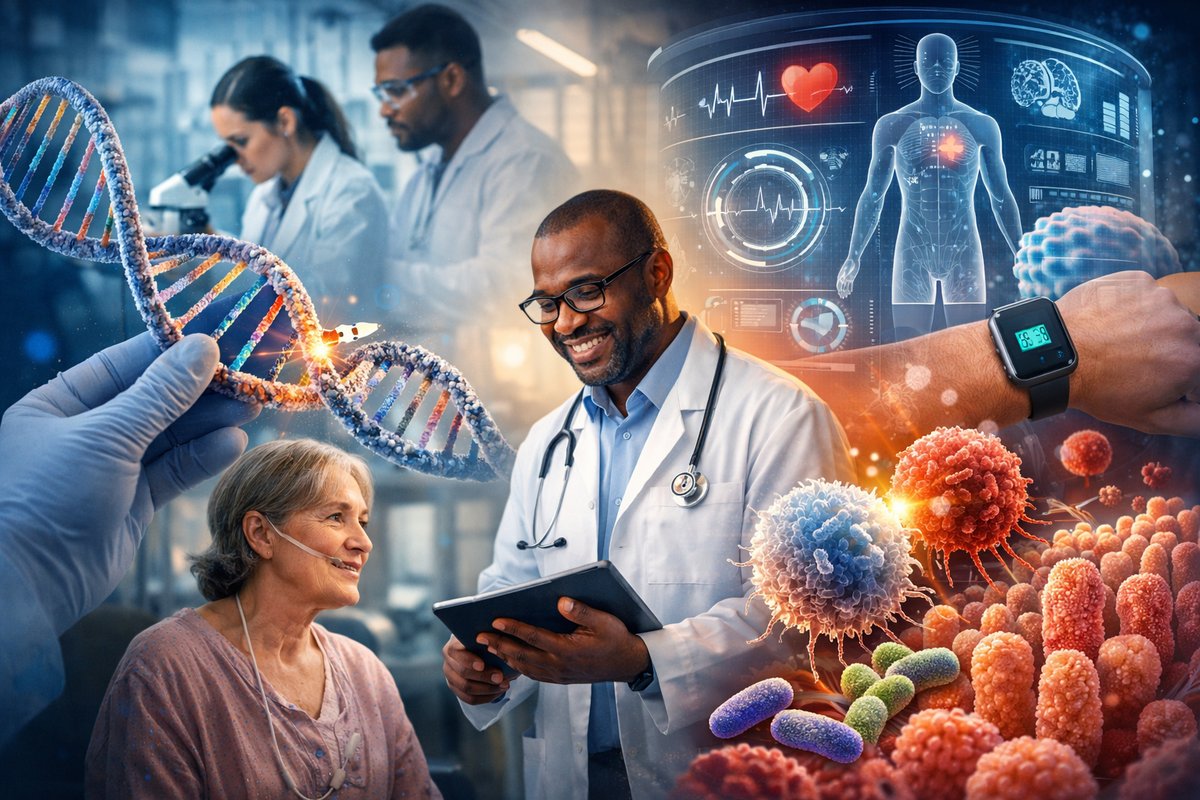

For decades, chronic illnesses such as autoimmune disorders, diabetes, and neurodegenerative diseases were managed but rarely cured. Patients often faced lifelong medications, repeated hospital visits, and uncertain prognoses. Today, however, rapid advances in biotechnology and digital health are rewriting that narrative. Therapies once thought futuristic-gene editing, mRNA treatments, microbiome engineering, and wearable diagnostics-have begun delivering real-world results. As consumers, clinicians, and researchers embrace these innovations, we find ourselves at the cusp of a new era in which chronic conditions can be addressed at their molecular roots rather than merely palliated.
A cornerstone of this transformation is gene editing technology. CRISPR-based therapies have moved swiftly from animal models into early human trials. In recent studies, patients with inherited blood disorders have received a one-time infusion of CRISPR-modified stem cells, leading to sustained production of healthy blood cells and independence from lifelong transfusions. By precisely correcting mutations in the genome, gene editing holds promise for conditions that once seemed untouchable-sickle cell disease, certain forms of muscular dystrophy, and inherited vision loss. These interventions, administered in specialized centers, illustrate how laboratory science is leaping directly into patient care.
While gene editing targets the DNA blueprint, immunotherapy leverages the body’s own defense mechanisms. Originally developed to attack cancer cells, checkpoint inhibitors and CAR-T cell therapies are now being tested against chronic inflammatory and autoimmune diseases. Researchers have engineered immune cells to recognize and neutralize misdirected inflammatory signals in conditions such as rheumatoid arthritis and lupus. In early trials, patients with severe, treatment-resistant autoimmune disease experienced marked improvement in symptoms and a reduction in flare-ups. This approach represents a powerful shift from global immune suppression-with its attendant infection risks-to tailored modulation that restores balance without shutting down the entire immune system.
The success of mRNA vaccine technology during global vaccination campaigns opened the door to broader applications for chronic illness. Beyond infectious disease prevention, mRNA platforms are being explored as treatments for genetic disorders and cancer. By delivering personalized mRNA sequences that instruct cells to produce therapeutic proteins, these therapies can address enzyme deficiencies in metabolic disorders or boost anti-tumor immune responses in hard-to-treat cancers. Clinical trials are underway exploring mRNA injections to correct protein shortages in rare diseases, with early data indicating low side-effect profiles and durable responses.
A less heralded but equally compelling frontier is the human microbiome. Trillions of microbes inhabit our gut, skin, and respiratory tract, influencing metabolism, immunity, and even mood. Dysbiosis-an imbalance in these microbial communities-has been linked to inflammatory bowel disease, psoriasis, obesity, and more. Recent trials of fecal microbiota transplants have shown remission rates in patients with refractory ulcerative colitis. Meanwhile, precision probiotics tailored to an individual’s microbiome profile are emerging, employing laboratory-cultured bacterial strains that restore healthy gut ecology. These therapies underscore a holistic approach, recognizing that our long-term health depends as much on nurturing beneficial microbes as on targeting human cells.
Parallel to biological breakthroughs, digital health tools are empowering patients to participate actively in their care. Wearable sensors now track glucose levels, heart rhythms, and inflammatory markers in real time. Continuous glucose monitoring systems, once reserved for type 1 diabetes, are being adapted for pre-diabetes and even obesity management, offering personalized insulin dosing and lifestyle insights. Similarly, smart patches capable of detecting inflammatory proteins are under development, promising early warnings of autoimmune flare-ups. By gathering longitudinal data outside the clinic, these devices foster precision medicine-care calibrated to each person’s unique physiology and lifestyle.
Diet and nutrition are also receiving a personalized makeover. Nutrigenomics studies how individual genetic variations affect nutrient metabolism, guiding tailored dietary plans. Commercial at-home kits analyze DNA and microbiome samples, then recommend meal plans designed to optimize inflammation control, metabolic health, and gut diversity. While the field is still evolving, early adopters report improved blood markers and symptom relief. Personalized nutrition represents a sustainable, preventive angle on chronic illness, empowering people to use everyday meals as part of their therapeutic toolkit.
Mind-body interventions have long complemented medical treatments, but today’s technologies are enhancing their impact. Biofeedback devices monitor heart-rate variability and galvanic skin response to guide stress-reduction exercises in real time. Virtual-reality programs deliver immersive relaxation experiences that ease chronic pain and reduce anxiety associated with conditions like fibromyalgia. Cold-laser therapy devices and portable infrared sauna blankets are available for at-home use, helping to soothe muscles, boost circulation, and mitigate joint stiffness. By integrating these tools into daily routines, patients gain greater control over symptom management and overall wellness.
Even the care delivery model is evolving. Telemedicine platforms now connect patients with specialists across continents, breaking down geographic barriers to advanced therapies. Remote monitoring ensures that changes in a patient’s condition trigger timely interventions-whether that’s adjusting medication doses, scheduling laboratory tests, or arranging in-home services. Virtual support groups and coaching apps foster community and accountability, reducing isolation and enhancing adherence to complex treatment regimens.
Such rapid progress invites both excitement and caution. Ethical questions around gene editing, data privacy concerns with wearable devices, and equitable access to high-cost therapies must be addressed. Sustainability considerations-such as the environmental footprint of single-use mRNA vials or electronic device disposal-also come into play. Engaged dialogue among patients, clinicians, researchers, and policymakers will be crucial to ensure these innovations benefit everyone, without compromising ethical or environmental values.
Still, the narrative of chronic illness is shifting from resignation to possibility. Emerging cures are not mere incremental improvements; they aim to transform lives. A teenager once tethered to an insulin pump may one day receive a single gene-correcting injection. An adult facing decades of immunosuppressants could instead enjoy flare-free years following a personalized cell therapy. And individuals seeking to reclaim control over daily symptoms can tap into an interconnected ecosystem of apps, devices, and holistic interventions.
As these miracles move from research reports into routine practice, patients and caregivers stand to gain unprecedented choice and autonomy. The future of chronic illness care combines molecular precision with compassionate support, leveraging data, biology, and human connection. It’s a future in which long-term conditions are no longer burdens to bear but challenges to overcome-stories of resilience made possible by the marriage of science, technology, and shared humanity.