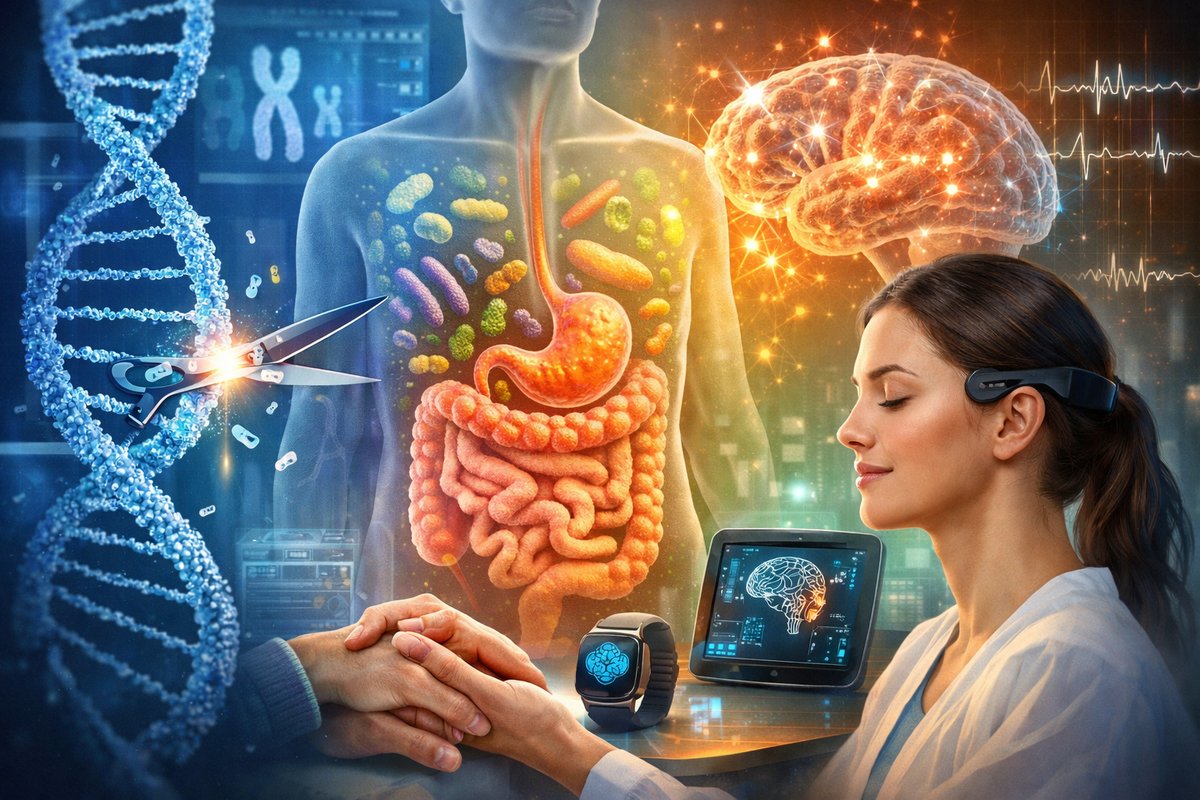

For decades, chronic illnesses such as autoimmune disorders, metabolic syndromes, and persistent pain conditions have been managed rather than cured. Patients have grown accustomed to daily medications, lifestyle restrictions, and the emotional toll of unpredictable flare-ups. Yet over the past few years, a wave of scientific advances has begun to shift the paradigm from lifelong symptom control toward genuine remission and, in some cases, outright cures.
At the heart of this transformation lies gene therapy. Once a distant dream, precise gene-editing techniques-particularly CRISPR-based systems-have started to unlock permanent solutions for inherited disorders. Researchers using CRISPR to correct the defective gene responsible for sickle cell disease have reported sustained improvements in red blood cell function. In parallel, gene replacement approaches for hemophilia A and B are showing promise, giving patients the chance to produce clotting factors naturally rather than relying on regular infusions.
Immunotherapy, long a pillar in cancer treatment, is also making inroads into chronic inflammatory conditions. Monoclonal antibodies that target specific immune signaling pathways have been approved for rheumatoid arthritis, psoriasis, and multiple sclerosis, offering highly targeted relief with fewer side effects than broad immunosuppressants. New antibody-drug conjugates are under development to home in on inflamed tissue and deliver medication directly at the source.
Meanwhile, the gut microbiome-once overlooked in mainstream medicine-has become a fertile ground for innovation. Fecal microbiota transplants (FMT) have demonstrated dramatic results in recurring Clostridioides difficile infections, and early trials in ulcerative colitis suggest that a healthy microbiome may help restore immune balance in the gut. Beyond clinical settings, at-home fermentation kits enable patients to cultivate probiotic-rich foods like kombucha and kefir, supporting digestive health and offering a hands-on way to engage with their own microbial ecosystem.
Pain management is undergoing its own revolution thanks to neuromodulation devices. Transcutaneous electrical nerve stimulation (TENS) units, once the domain of physical therapists, are now available in compact, wearable formats that patients can use anywhere. For those with chronic back or neuropathic pain, spinal cord stimulators and peripheral nerve stimulators have shown the ability to interrupt pain signals before they reach the brain. These devices often pair with smartphone apps, allowing users to adjust intensity levels and track patterns over time.
Digital therapeutics are another breakthrough, marrying evidence-based cognitive behavioral interventions with interactive software. Patients with chronic illness often face anxiety, depression, and fatigue, which can magnify physical symptoms. Apps offering guided mindfulness, sleep coaching, and biofeedback exercises provide accessible mental health support around the clock. Many of these tools integrate with wearable fitness trackers and pulse oximeters, feeding real-time data into adaptive treatment plans.
Remote monitoring and telehealth platforms have also become essential, especially when traditional clinic visits pose mobility challenges. Cloud-based dashboards aggregate data from wearable sensors, medication reminders, and patient-reported outcomes. Healthcare teams review trends and intervene early when warning signs appear. Virtual support groups foster community, allowing people to share coping strategies and emotional support in safe, private spaces.
Stem cell therapies are carving out new possibilities as well. Clinical trials using mesenchymal stem cells aim to regenerate insulin-producing beta cells in type 1 diabetes, while research in ophthalmology uses retinal progenitor cells to halt vision loss in degenerative eye diseases. These interventions tap into the body’s innate repair mechanisms, offering hope for conditions once deemed irreversible.
Of course, every cutting-edge therapy comes with considerations around safety, ethics, and data privacy. Robust protocols, long-term follow-up studies, and transparent informed-consent processes are vital. Regulatory agencies worldwide are adapting to these innovations, creating frameworks that balance rapid approval with rigorous oversight.
Behind every research paper lies a patient story. Imagine a young adult who relied on high-dose painkillers for years, now walking through a park pain-free thanks to a personalized spinal cord stimulator. Or the mother of two whose debilitating ulcerative colitis entered lasting remission after a targeted monoclonal antibody infusion. These real-world experiences speak to more than medical progress; they highlight resilience, community support, and the profound emotional impact of regained independence.
Looking ahead, the convergence of artificial intelligence, wearable devices, and genomics promises even greater personalization. Algorithms will predict flare-ups days before they happen, guiding preventive measures. Gene-editing platforms will evolve to correct multiple mutations simultaneously. And as sustainability becomes a guiding principle, biodegradable sensor patches and eco-friendly drug delivery systems will reduce the environmental footprint of chronic care.
This new era of chronic illness treatment is defined by collaboration-between researchers, clinicians, patients, and technologists. It’s a testament to curiosity, emotional intelligence, and the unwavering belief that no condition is beyond hope. While challenges remain, the collective strides made in the last few years suggest that “chronic” may no longer mean “incurable.”
-
Amazon Best Sellers: Best Cold Packs
Ice Packs for Injuries Reusable (3-Piece Set) – Hot and Cold Ice Pack Therapy Gel Wrap Support – Supports Recovery, Joint and Muscle Pain – Knees, ... -
Amazon Best Sellers: Best Surge Protectors
Discover the best Surge Protectors in Best Sellers. Find the top 100 most popular items in Amazon Electronics Best Sellers.