
Introduction
In our daily routines, prolonged sitting, repetitive movements, and stress often lead to tightness in the neck, shoulders, back, or legs. This chronic muscle tension can leave us feeling stiff, fatigued, and even disrupt sleep patterns. Manual therapy-sometimes called therapeutic massage-provides an accessible, hands-on way to address these areas of discomfort. By combining gentle pressure, stretching, and guided movement, you can foster relief in your tissues, invite better circulation, and tune in to your body’s natural signals for rest and renewal.
Understanding Muscle Tension
Muscle tension is your body’s response to physical or emotional stress. Tiny fibers within each muscle-known as myofibrils-contract more strongly or hold their position longer when stimulated. Over time, these fibers can form knots or bands, which you may recognize as “trigger points.”
• Physical contributors include poor posture, long hours at a desk, repetitive lifting, or athletic training without enough rest.
• Emotional stress triggers a mild fight-or-flight response, prompting muscles to tighten as a protective strategy.
When tension persists, it can reduce blood flow, leading to mild inflammation and discomfort. You might notice a dull ache, occasional spasms, or increased sensitivity when you press or move the affected area.
How Manual Therapy Works
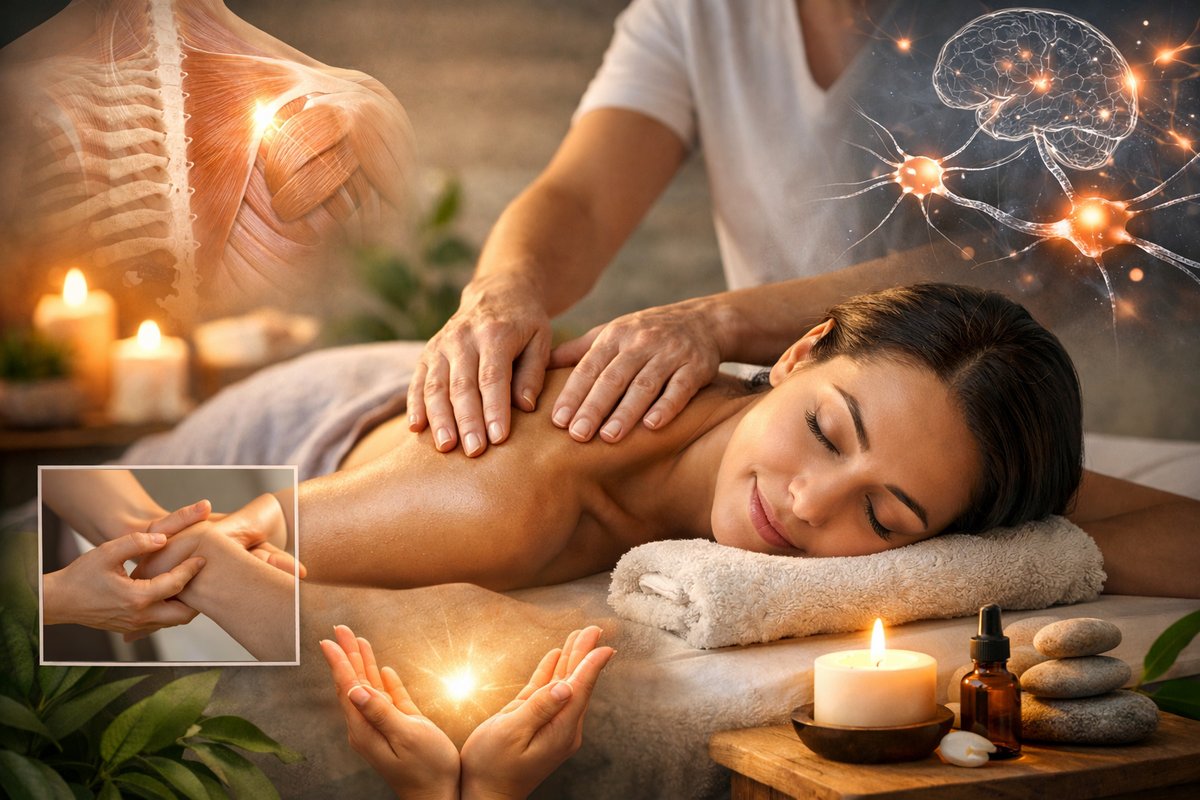
Manual therapy focuses on the interplay between touch, pressure, and movement. Skilled practitioners use their hands, forearms, elbows, or specialized tools to target tight muscle fibers and connective tissue. Here’s what happens under the skin:
• Increased circulation: Pressure pushes fresh blood into the area, bringing oxygen and nutrients that support tissue repair.
• Fascia release: The connective web surrounding muscles gently stretches and unwinds, reducing stiffness around joints and soft tissue.
• Neuromuscular resetting: Sustained pressure on a knot can temporarily inhibit muscle contraction, allowing it to relax once you resume movement.
• Relaxation response: A caring, attentive touch signals your nervous system that it’s safe to shift out of fight-or-flight mode, calming stress hormones and slowing heart rate.
Over a session lasting 30 to 60 minutes, these combined effects help restore range of motion and ease the sensation of tightness.
Safe Techniques to Try Today
You don’t need to book a professional appointment to begin exploring manual techniques at home. These simple, low-risk options can help you tune in to tension and offer relief with minimal tools.
Self-massage with a tennis ball or foam roller
• Choose a ball small enough to fit under your shoulder blade or along your calf. Gently lean against a wall and roll over the ball, pausing when you find a tender spot. Hold for 20 to 30 seconds, then continue rolling to adjacent areas.
• A foam roller beneath your thoracic spine (upper back) can open tight chest muscles and relieve shoulder tension. Rock slowly back and forth for one to two minutes.
Hands-on stretching
• Neck release: Sitting upright, place one hand on the opposite side of your head. Tilt your head toward the shoulder and hold for 20 seconds. Switch sides.
• Passive shoulder stretch: Standing, clasp your hands behind your back and gently lift your arms an inch or two. Keep shoulders down and breathe deeply for 30 seconds.
Self-myofascial release tools
• Massage sticks: Roll these along your calves or thighs while seated. Apply moderate pressure for 30 seconds to one minute per section.
• Guided apps or video tutorials: Follow along with a certified therapist’s voice cues for safe pressure and pacing.
Before trying any technique, check in with your comfort level. If you feel sharp pain or dizziness, ease off or stop. The goal is sustained relief, not overstimulation.
What the Evidence Says
A growing body of research supports the benefits of manual therapy for muscle tension and related symptoms. Key findings include:
• Reduced pain sensitivity: A review in a reputable physical therapy journal noted that applying sustained pressure to trigger points can decrease local tenderness by up to 40 percent over multiple sessions.
• Improved sleep quality: Participants in a controlled study reported falling asleep faster and waking up less frequently after weekly massages over a two-month period, likely due to lowered levels of stress hormones.
• Enhanced flexibility: Studies measuring joint range of motion found that subjects who received manual stretching sessions improved their flexibility by 10 to 15 percent compared to those who only performed active stretching.
• Stress relief: Heart rate variability-a marker for relaxation-often increases after a 45-minute massage, signaling a shift away from the body’s stress response.
These outcomes align with the experiences of many individuals who find that consistent, gentle manual work helps maintain a balanced sense of ease in their muscles.
Practical Tips for Incorporating Manual Therapy
Set aside just 10 to 20 minutes, two to three times per week, to explore self-massage routines or book brief professional sessions. Consistency matters more than duration. Here are ideas to weave manual therapy into daily life:
• Morning reset: Begin your day with a few neck and shoulder rolls, using your fingers to trace along tight bands. This can help you arrive at your workspace refreshed and ready to focus.
• Desk-side breaks: Every hour, stand up and press the palms of your hands against a wall at chest height. Lean in to stretch your chest, then roll your shoulders back and down.
• Evening unwind: Invest in a simple massage oil or lotion and spend a few minutes working on your feet or calves before bed. This ritual signals your nervous system that it’s time to rest.
• Professional tune-ups: Even a 20-minute massage session delivered by a trained therapist can reinforce the benefits of your self-care routine, ensuring deeper tissue work when needed.
When you’re working with a professional, share any areas of concern, your daily activities, and your preferred pressure level. This open communication guides them in selecting techniques that match your goals.
Conclusion: Cultivating Mindful Body Awareness
Manual therapy invites a gentle dialogue between your hands and your muscles. Whether you choose to explore self-massage tools or sit under the hands of a skilled practitioner, the practice centers on attentive touch and responsive breathing. Over time, you’ll learn to recognize early signs of tightness and respond with simple, safe strategies. This mindful approach to muscle tension not only eases physical discomfort but also nurtures a sense of calm and balance in everyday life. Make space for these moments of care, and watch how a few minutes of focused attention can bloom into lasting comfort and well-being.