
Understanding Muscle Tension in Everyday Life
Muscle tension is part of our daily experience, whether we’re hunched over a laptop, rushing between appointments, or simply carrying stress in our shoulders. When muscles remain contracted for long periods, they can feel stiff, achy, or even painful. Over time, this tension may restrict movement, lead to postural imbalances, and disturb sleep. Recognizing why muscles tighten and how manual therapy gently guides them back to a more relaxed state can help you reclaim ease in your body.
How Manual Therapy Works on a Physical Level
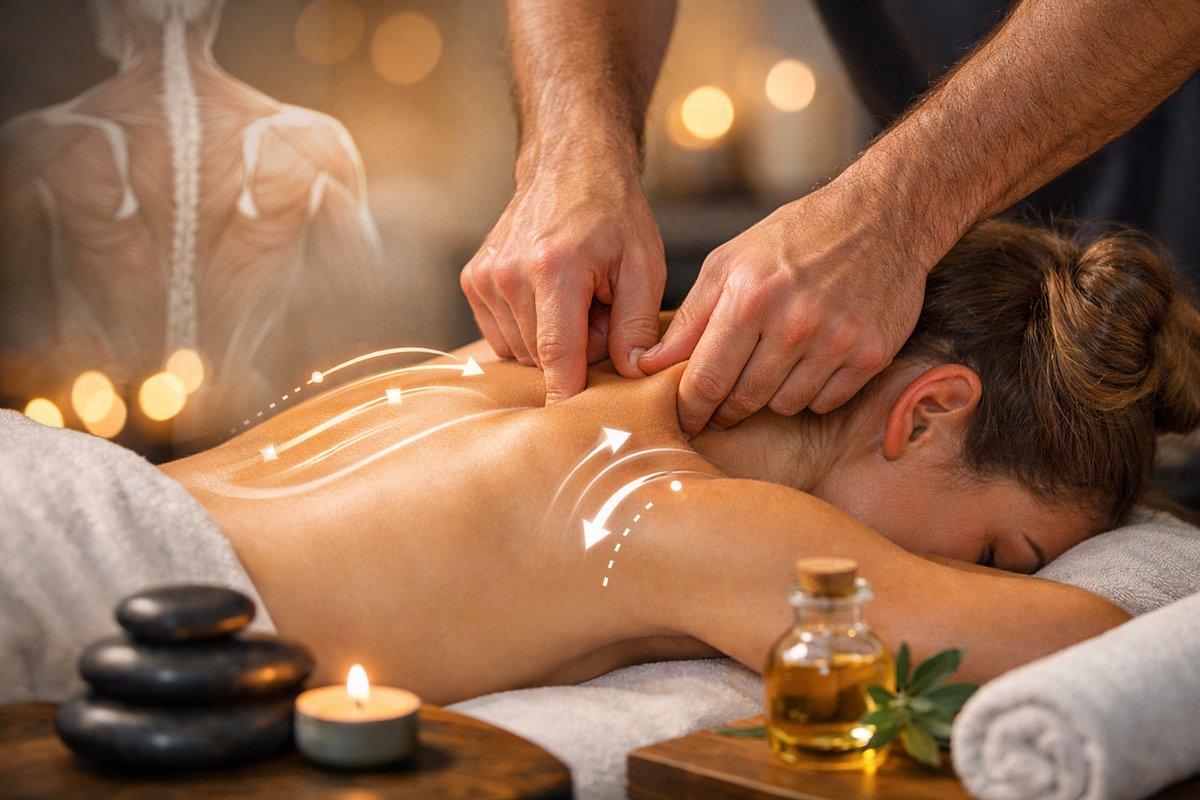
Manual therapy is an umbrella term for hands-on approaches that include techniques like effleurage (long gliding strokes), kneading, trigger-point release, and myofascial release. Each method targets muscle fibers, connective tissue, or both:
• Effleurage and kneading stimulate blood flow, delivering oxygen and nutrients to fatigued muscles. Increased circulation helps clear out metabolic waste products that contribute to stiffness.
• Trigger-point release applies sustained pressure to small knots in muscle fibers. Gradual pressure encourages the knot to “let go,” relaxing the surrounding tissue and reducing local pain signals.
• Myofascial release focuses on the fascia, the web-like connective tissue that surrounds muscles. Gentle stretching and traction smooth areas where fascia may have become dehydrated or adhered, restoring flexibility.
Scientific studies show that these interventions can lower levels of stress hormones, alongside improving muscle elasticity. A review in the Journal of Bodywork and Movement Therapies found that manual therapy techniques consistently reduce tissue stiffness while promoting subjective feelings of relaxation.
Sensory Awareness: Your Ally in Tension Release
Massage isn’t simply a mechanical process; it engages your nervous system. Pain receptors and pressure sensors in skin and muscle relay information to your spinal cord and brain. Through gentle, rhythmic touch, manual therapy helps recalibrate these signals. Instead of perceiving constant tension as a threat, your nervous system learns to welcome a calmer state.
As you lie or sit comfortably during a session, notice how your breathing responds to touch. Slow, steady breaths encourage the parasympathetic nervous system-the branch responsible for rest and digest-to take over. This sensory feedback loop is why a caring, attentive massage feels so restorative: your mind and body are working together toward release.
Practical Techniques You Can Try Safely at Home
While professional therapists are trained in advanced methods, there are simple practices you can integrate into your self-care routine:
• Self-Massage with a Massage Ball: Place a soft massage ball between your back and a wall. Gently lean into areas of tightness, holding until you feel a subtle release. Roll slowly to cover the muscle group, keeping breathing calm.
• Neck and Shoulder Stretch with Effleurage: Use your fingertips to apply light, gliding pressure along the tops of your shoulders, moving toward your neck. Repeat for 1-2 minutes on each side, using just enough pressure to feel warmth but no sharp pain.
• Foam Rolling for the Calves and Hamstrings: Sit on the floor with a foam roller under your calf. Use your arms to lift your hips and roll from ankle to knee, pausing on spots of tightness. This technique enhances circulation and prepares muscles for stretching.
Always start gently, and never push into excruciating pain. If you experience numbness, tingling, or worsening symptoms, pause the exercise and, if needed, consult a qualified therapist.
Evidence and Best Practices in Manual Therapy
Clinical guidelines emphasize clear communication between therapist and client. Therapists assess posture, range of motion, and areas of hypertonicity (excessive muscle tightness) before applying techniques. They adjust pressure and duration based on individual response.
Research highlights the importance of consistent sessions. One controlled trial showed that weekly myofascial release over six weeks led to significant improvements in neck mobility and reduced discomfort compared to no treatment. Another study found that trigger-point massage decreased headache frequency in individuals with tension-type headaches.
Combining manual therapy with complementary approaches-like gentle stretching, mindful breathing, and ergonomic adjustments at work-supports lasting results. Staying hydrated and maintaining a balanced routine of activity and rest further enhances tissue health.
Choosing the Right Environment and Posture
A calm, comfortable setting helps your muscles unwind. Whether you’re practicing self-massage or visiting a clinic, pay attention to:
• Surface Support: Use a firm but cushioned table, mat, or chair that lets you relax fully without sinking in.
• Ambient Factors: Soft lighting, moderate room temperature, and minimal noise encourage the parasympathetic response.
• Postural Alignment: Lie or sit in a neutral spine position, with shoulders relaxed. A light pillow under your knees when lying on your back can reduce lower-back tension.
Monitoring Progress and Body Feedback
Track changes in flexibility, ease of movement, and discomfort levels. Keep a simple journal noting which techniques feel most effective, how your muscles respond within minutes and hours, and any shifts in daily activities such as sleep quality or work stamina.
Listen to your body’s signals: lingering soreness after a session should ease within 24-48 hours. If discomfort persists beyond two days or worsens, consider adjusting your approach or seeking professional guidance.
Embracing Body Awareness and Self-Care
Manual therapy empowers you to tune in to your own physiology. The more you practice safe, gentle techniques, the more you learn where tension tends to gather and how best to relieve it. Over time, this mindful approach not only eases muscle tightness but nurtures a deeper connection with your body’s natural rhythm.
By blending evidence-based manual methods, attentive self-care, and healthy lifestyle habits, you can support ongoing comfort and functional movement. Remember, every gentle stroke and stretch is an investment in your everyday wellbeing-one that pays dividends in reduced stress, improved posture, and a renewed sense of ease.