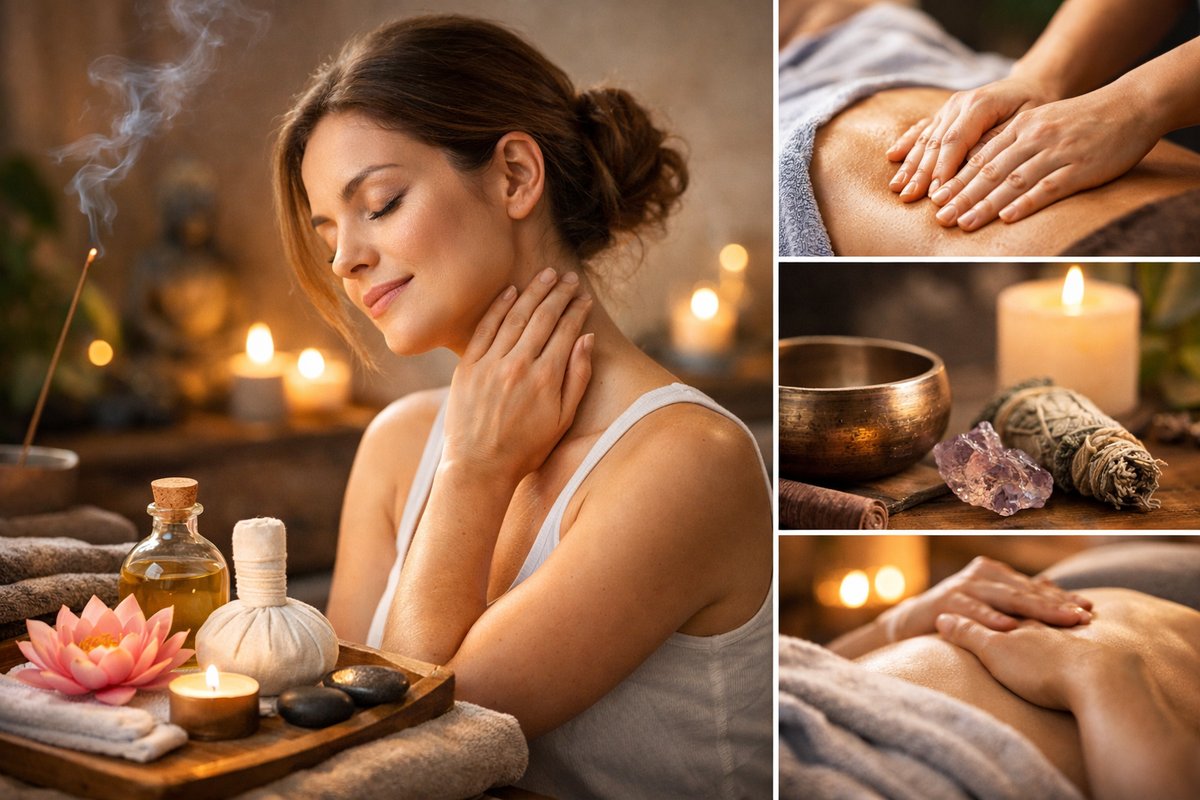

Why Wholistic Massage Matters for Whole-Person Wellbeing
Wholistic massage goes beyond kneading sore muscles-it invites you to consider your body, mind, and lifestyle as an interconnected system. By blending thoughtful touch with mindful breathing and gentle movement, you create a supportive space for relaxation, balance, and emotional grounding. Applied regularly, these practices can ease muscle tension, calm the nervous system, and foster a deeper sense of connection to your own rhythms.
Body Awareness: The Foundation of Gentle Release
Before you begin any self-massage routine, spend a few moments tuning in. Find a comfortable seat or lie on a supportive surface. Close your eyes and scan from head to toe:
• Notice any areas of tension or tightness, such as the jaw, shoulders, or lower back.
• Observe how your breath moves in and out, without trying to change it yet.
• Acknowledge any emotion or stress that surfaces, simply noticing rather than judging.
Before you begin any self-massage routine, spend a few moments tuning in. Find a comfortable seat or lie on a supportive surface. Close your eyes and scan from head to toe:
• Notice any areas of tension or tightness, such as the jaw, shoulders, or lower back.
• Observe how your breath moves in and out, without trying to change it yet.
• Acknowledge any emotion or stress that surfaces, simply noticing rather than judging.
This simple body scan primes your nervous system to be more receptive to touch. By naming areas of tightness and bringing gentle awareness there, you can guide your hands or a tool to exactly where relief is needed.
Gentle Techniques for Home Practice
Use these safe, accessible methods to ease tension in key areas:
Hands and Forearms
• Self-Compression: Clasp one hand around the opposite forearm. Apply gentle pressure and slide from wrist to elbow in slow, even strokes. Pause on any tender spots and maintain steady, soothing pressure for 20-30 seconds.
• Thumb Circles: With your palm facing up, use your opposite thumb to draw small circles along the muscles beneath the palm and across the base of the thumb. This can reduce grip fatigue and wrist strain.
Neck and Shoulders
• Seated Neck Glide: Sit upright. Tilt your head slightly toward one shoulder. Using the fingertips of the opposite hand, trace gentle lines from the base of the skull down to the top of the shoulder. Repeat 3-5 times on each side.
• Shoulder Squeeze: Place both hands on top of your shoulders. Press your fingers into the muscle where your neck meets your shoulder and hold for 10-15 seconds. Release and repeat.
Lower Back and Hips
• Tennis Ball Release: Stand against a wall with a tennis ball between your lower back/hip area and the wall. Lean into the ball with gentle weight and move your body in small circles. Focus on any spots that feel tight or “stuck.”
• Hip Flexor Stretch with Hand Support: Lie on your back with one knee bent and the foot flat. Place your hands behind the other knee and gently pull it toward your chest. Hold for 30 seconds, breathing deeply.
Mindful Breathing and Movement
Integrating breath and gentle motion enhances the calming effects of touch:
• 4-7-8 Breathing: Inhale through your nose for a count of 4, hold for 7, then exhale slowly through parted lips for 8. Repeat 4-5 times during any self-massage session to lower heart rate and signal relaxation.
• Shoulder Rolls with Breath: Inhale and lift both shoulders up toward your ears. Exhale and roll them back and down in a circular motion. Coordinate the roll with your breath to invite smooth, connected movement.
• Gentle Spinal Wave: Standing or seated, place hands on your lower back. As you inhale, tuck your pelvis slightly forward. As you exhale, tilt your pelvis back and round your spine gently. Move with the breath to mobilize the lower back without strain.
Creating a Supportive Environment
Your surroundings play a key role in deepening relaxation:
• Ambient Sound: Choose soft instrumental music, nature sounds, or guided breathing tracks-keep volume low to encourage inward focus.
• Lighting: Dim overhead lights or use a warm-tone lamp to reduce visual stimulation. Candlelight or soft fairy lights can add a cozy glow.
• Texture and Warmth: A plush blanket, soft robe, or cushioned surface supports comfort. Warmth helps muscles relax-consider using a microwaveable heat pack on tight areas before massage.
• Aromatic Touch: If you enjoy gentle scents, diffuse lavender or chamomile essential oils at a low concentration. Always check for skin sensitivity and never apply undiluted oils to skin.
Evidence-Informed Benefits
Research in massage and manual therapies highlights several reliable outcomes for wholistic touch practices:
• Muscle Tension Relief: Slow, sustained pressure on muscle fibers can reduce spasm and improve flexibility. Studies show even brief self-massage can increase range of motion and decrease discomfort.
• Stress Hormone Reduction: Combining touch with mindful breathing has been linked to lower cortisol levels. The shift from sympathetic (“fight-or-flight”) to parasympathetic (“rest-and-digest”) activity supports overall calm.
• Improved Sleep Quality: Nightly routines that include gentle self-massage or muscle release techniques can help ease the transition into sleep by promoting relaxation and reducing bedtime tension.
• Emotional Balance: Focused touch invites present-moment awareness, which many find soothing during anxious or high-stress periods. The hands-on approach can provide a sense of safety and grounding.
Encouraging Mindful Self-Care and Body Awareness
Easing tension with wholistic massage is not a one-time fix, but a practice you can adapt to daily life. By building simple habits-like a morning shoulder roll, a midday hand squeeze, or an evening tennis-ball release-you reinforce the mind-body connection. Over time, you’ll become more attuned to subtle signals of stress, allowing you to intervene early and gently.
As you explore these techniques, remember that comfort and safety come first. Use only the pressure level that feels supportive, not painful. If a method causes sharp pain or intensifies discomfort, ease up or discontinue and consider consulting a healthcare professional. With mindful attention and consistent practice, wholistic massage can transform moments of tension into opportunities for rest, reflection, and renewed balance.