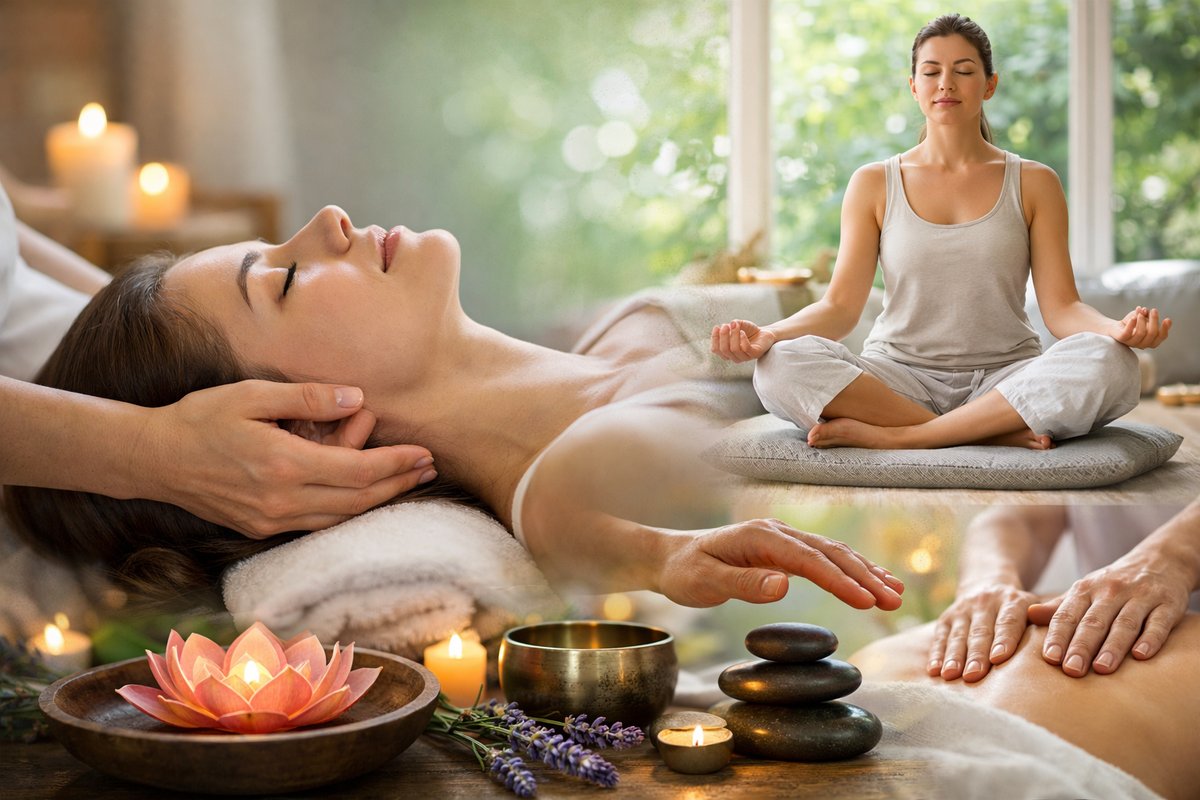

Why Integrative Touch Matters
Integrative touch honors the connection between physical sensations, emotions, and lifestyle rhythms. Rather than treating muscle knots in isolation, it invites a broader awareness of posture, breath, and mood. Research in massage therapy demonstrates that combining mindful breathing with slow, intentional strokes can reduce stress hormones and encourage the release of endorphins. By attending to both tissue and temperament, integrative touch helps you step out of autopilot and reconnect with your body’s messages.
How Gentle Touch Influences Physical Pathways
Every stroke and pressure point sends signals through your nervous system. Light to moderate pressure stimulates mechanoreceptors in the skin that can inhibit pain signals traveling up the spinal cord. Deeper holds and kneading target muscle fibers and fascia, helping to ease knots and improve circulation. A study published in a peer-reviewed massage therapy journal found that a 30-minute integrative session lowered perceived pain levels by 40 percent in participants with mild to moderate back tension. Even short self-massage breaks-using a small ball or fingers to trace tight spots-can restore blood flow and reduce muscle guarding.
The Emotional Resonance of Mindful Touch
Touch has a profound impact on emotional wellbeing. When you cradle your shoulders or trace gentle circles along your neck, oxytocin and serotonin pathways light up, creating a sense of calm and closeness. Integrative touch techniques emphasize tracking your emotional state: pause to notice how each stroke feels, where tension shifts, and any subtle change in mood. This active mindfulness piece turns massage into a two-way conversation between your hands and your heart. Over time, regular practice can help build resilience to day-to-day stress by training your nervous system to shift more readily into a relaxed state.
Pairing Breath with Movement
Synchronizing breath with touch magnifies the mind-body effect. Inhale deeply through your nose as you prepare to apply gentle compression to a tight muscle, then exhale through a relaxed mouth as you hold. The exhalation encourages muscle fibers to soften and lengthen, while the inhale primes you to listen more closely to subtle feedback from your tissues. This rhythm also triggers the parasympathetic nervous system, guiding you toward steady heart rate and lower blood pressure. Even a single breath-touch cycle repeated ten times can shift your experience from tension to ease.
Self-Care Techniques You Can Try Today
1. Shoulder Release Break: Sit upright and interlace fingers behind your head. Inhale to lengthen your spine; exhale and draw your elbows together. Hold for three breaths, then gently rock your head side to side.
2. Neck Circles with Fingertips: Place pads of your index and middle fingers at the base of your skull. On an exhale, massage in small, clockwise circles for five rounds; switch direction for another five.
3. Palmar Press on Palm Lines: Press the heel of one palm into the center of your opposite palm. Hold steady for five seconds, breathing softly, and repeat on the other side. This simple move reduces overall tension.
4. Body Scan Stretches: Lie on your back, arms by your sides. Mentally “scan” from toes to crown, pausing to wiggle each joint and breath into any tight areas.
Evidence-Informed Insights
Multiple clinical studies support integrative touch as a complementary strategy for stress management. A randomized trial in a wellness journal showed that participants receiving twice-weekly mindful massage for four weeks scored significantly lower on anxiety assessments compared to a control group. Another study found that combining massage with guided breathing further enhanced sleep quality, with subjects reporting deeper rest and fewer nighttime awakenings. While integrative touch is not a medical treatment, these findings align with accepted massage-therapy guidelines and encourage a wholistic approach to self-care.
Everyday Tips for a Grounded Practice
• Set a calm ambiance: gentle lighting, soft textiles, and a comfortable chair or mat create a welcoming environment.
• Choose a low-fragrance massage oil or lotion: natural plant-based blends with minimal additives let you focus on sensation without irritants.
• Keep tools handy: a small massage ball, a yoga strap, or a foam roller can enhance your reach and pressure control.
• Stay curious: notice shifts in temperature, texture, or ease as you practice. Let exploration guide your next move.
A Gentle Reminder for Mindful Self-Care
Integrative touch invites you to slow down and forge a compassionate dialogue with your body. There’s no need for elaborate rituals or specialized equipment-just attentive hands, conscious breathing, and openness to subtle feedback. Over time, these small practices can build a foundation of calm, resilience, and body awareness that carries into every corner of your day. Remember, wellbeing is a journey, not a destination. By tuning into the bridges between your physical and emotional landscape, you cultivate a steady sense of balance and belonging within your own skin.