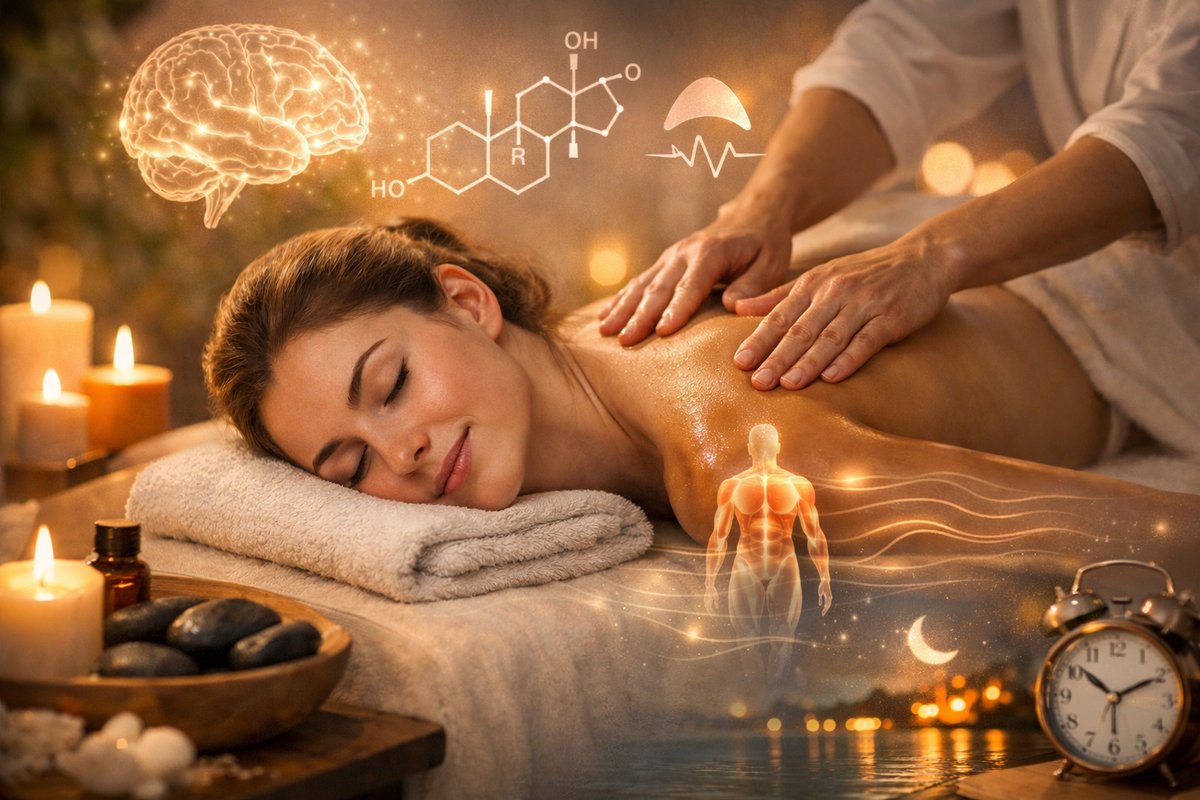

Stress is woven into daily life-tight deadlines, juggling family demands, and the relentless buzz of digital notifications can leave our bodies on high alert. Over time, this constant activation of the stress response may lead to muscle tension, restless nights, and lingering fatigue. Massage therapy provides a hands-on pathway to interrupt that cycle, coaxing the nervous system toward calm and offering a sensory retreat that carries benefits long after the session ends.
The Science Behind Stress Reduction
Our bodies react to stress by releasing hormones such as cortisol and adrenaline, preparing muscles for “fight or flight.” When this activation persists, muscles hold tension, blood flow can become restricted, and recovery processes-for instance, deep sleep-may be compromised. Research shows that massage stimulates pressure receptors in the skin, sending signals that help shift the autonomic nervous system toward its parasympathetic side. In practical terms, heart rate slows, breathing deepens, and levels of stress hormones decline. A review of clinical studies in the Journal of Alternative and Complementary Medicine found consistent reductions in cortisol following a single full-body session, with participants reporting a greater sense of calm and clarity.
Touch Techniques That Soothe
Within massage practice, several styles have proven effective at stress relief:
– Effleurage (gentle, gliding strokes) warms tissue layers and promotes circulation.
– Petrissage (kneading muscles) helps break down adhesions and encourages lymphatic drainage.
– Trigger-point release applies focused pressure to tight spots, allowing knots to soften.
– Myofascial release involves gentle stretching of connective tissue to ease stiffness.
Massage therapists often blend these approaches, adjusting pressure and pace to suit individual comfort. Even a short, 15-minute session focused on the neck and shoulders can generate noticeable relief when tension has built up from hours at a desk.
Creating a Relaxing Environment
Sensory cues amplify the benefits of touch. Soft lighting, a warm room temperature, and unobtrusive background music can guide the nervous system into a state of rest. Introducing a few drops of calming essential oils-such as lavender or chamomile-into a diffuser creates an aromatic backdrop that supports relaxation. Limiting external distractions, like turning off notifications or giving yourself permission to step away from chores, primes the brain and body to accept the therapeutic work of massage.
Integrating Massage into Your Routine
For many everyday readers, weekly professional sessions may not fit into a busy schedule or budget. Here are practical ways to weave massage benefits into your week:
• Self-massage with tools: Foam rollers, massage balls, and handheld rollers can target key areas-calves, lower back, shoulders-to release built-up tension. A few minutes each evening can help prevent stiffness and signal to your body that it’s time to unwind.
• Partnered massage: Swapping short, gentle massages with a friend or family member can be an engaging way to relieve stress together. Focus on broad, soothing strokes and communicate about pressure to ensure comfort.
• Stretch and breathe: Pair light stretching with deep, diaphragmatic breathing. Inhale for four counts, pause for two, then exhale for six. This pattern coordinates with gentle muscle release and enhances the parasympathetic response.
Safe Practices and Precautions
While massage is generally safe for healthy individuals, a few guidelines ensure a positive experience:
• Listen to your body. Mild discomfort is normal when addressing tight spots, but sharp pain signals you should ease up.
• Stay hydrated before and after sessions to support circulation and tissue recovery.
• If you have a medical condition-such as recent surgery or inflammation-consult a qualified therapist or healthcare provider before beginning massage. They can advise on suitable techniques or contraindications.
Evidence at Work: Real Benefits You Can Feel
Beyond immediate relaxation, regular massage has been linked to improved sleep quality, reductions in anxiety scores, and even relief from tension headaches. A trial involving office workers found that those who received monthly massage reported fewer incidents of work-related musculoskeletal discomfort compared to a control group. Another study of middle-aged adults demonstrated enhanced mood and lower blood pressure after a series of sessions.
The cumulative effect of periodic touch sessions and daily self-care practices creates a rhythm of tension and release. Over time, muscle fibers adapt to lower resting tension, circulatory dynamics improve, and the mind becomes more attuned to early warning signs of stress.
Next Steps for Mindful Self-Care
Introducing massage into your wellness toolkit doesn’t require a radical lifestyle overhaul. Begin with small moments:
• Dedicate five minutes each evening to a handheld roller on your neck and shoulders.
• Book a 30-minute professional session and build from there.
• Explore breathing exercises paired with gentle self-pressures on sore areas.
By cultivating regular touch-based relief, you’re investing in a foundation of better sleep, clearer focus, and greater resilience in the face of daily pressures. Over time, you’ll notice not just a softer shoulder or eased neck but a calmer, more present state of mind.
End your next day with intention: press your hands gently into tight spots, inhale deeply, and let the simple act of caring for your muscles become a daily invitation to peace.