
Stress has a way of knotting us up-physically and mentally-making us feel perpetually on edge. By tapping into the power of touch, massage therapy offers a grounded, science-backed approach to switch off that fight-or-flight alarm and invite the body into a state of relaxation. Whether you seek relief from a hectic day or hope to drift into more peaceful sleep, understanding how massage calms your system can transform your self-care routine.
Savoring Stillness: Understanding Stress and Its Effects
When we perceive a threat-big or small-the body releases stress hormones like cortisol and adrenaline. Blood pressure rises, muscles tighten, and breathing becomes shallow as the nervous system gears up to respond. Over time, this pattern can leave shoulders locked in tension, the jaw clenched, and sleep patterns fragmented. Recognizing these physical signs is the first step toward finding relief and restoring balance.
Massage’s Impact on the Stress Response
Research shows that massage stimulates pressure receptors in the skin, sending soothing signals to the brain that lower heart rate and reduce cortisol levels. A meta-analysis of randomized trials found that even a single 20-minute session can decrease anxiety and promote feelings of calm. As the parasympathetic “rest and digest” system kicks in, blood flow shifts toward the digestive organs and extremities, carrying oxygen and nutrients that encourage deep tissue repair and cellular renewal.
Through rhythmic, sustained strokes and gentle kneading, massage promotes the release of endorphins-natural opiates that boost mood-and oxytocin, the neuropeptide associated with bonding and relaxation. Together, these biochemical shifts help unbind tight muscle fibers, soften connective tissues, and counteract the physical imprint of worry.
Techniques You Can Try Today
While professional massage delivers deep relief, simple self-massage methods can also ease stress on demand. Begin with a few minutes of diaphragmatic breathing: place hands over the lower ribs, inhale slowly so the belly expands, then exhale fully. Once you feel a rhythm, explore these hands-on moves:
- Neck glides: Support the base of your skull with one hand. With the other, use your fingertips to glide from the skull’s edge down each side of the neck, releasing stiffness along the way.
- Shoulder kneading: Draw your thumbs gently along the tops of your shoulders and shoulder blades. Apply enough pressure to feel tension give way, but never push into pain.
- Foot rolling: Place a firm, textured ball under the arch of one foot. Roll slowly from heel to ball, pausing on sore spots to encourage blood flow and ease tight fascia.
Crafting a Peaceful Massage Environment
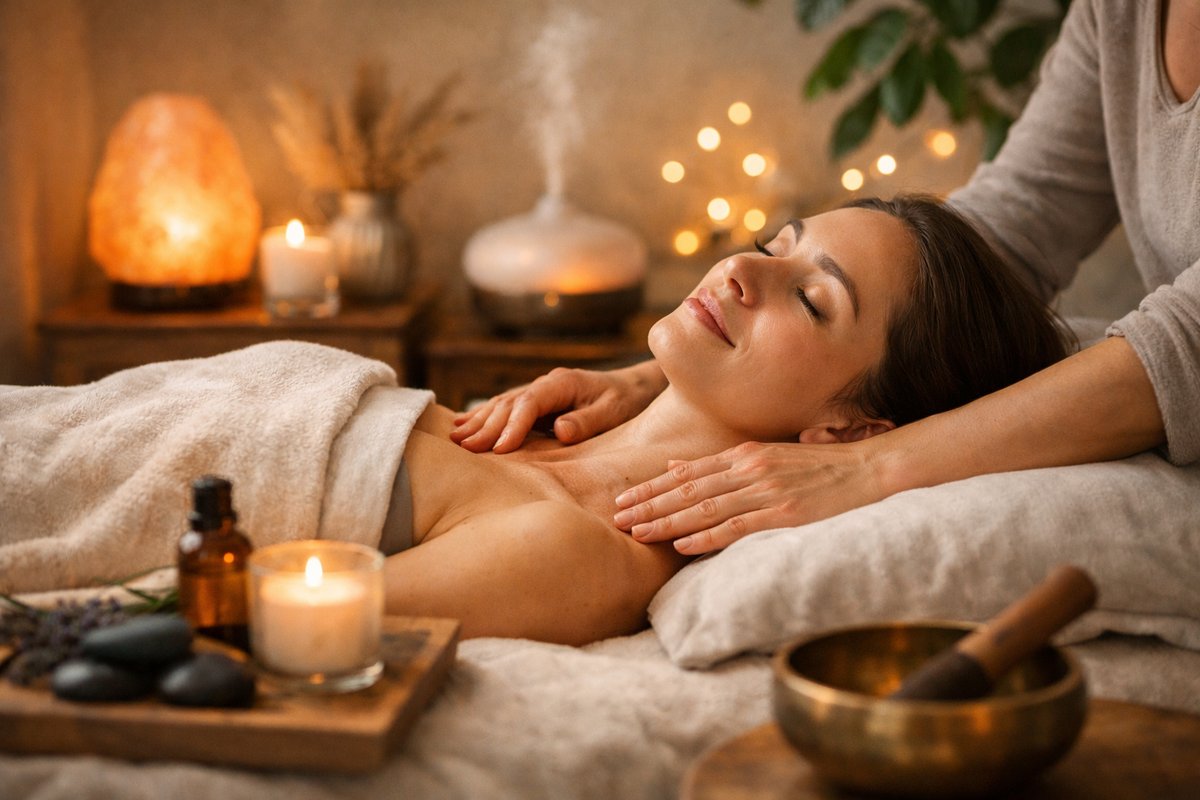
Sensory cues can amplify the benefits of touch. Begin by dimming overhead lights or drawing curtains to cast a warm glow. Soft instrumental music or nature sounds in the background quiet mental chatter. A gentle room temperature prevents shivering, while a plush towel or blanket under you adds comfort. For an extra layer of nurturing, consider using a carrier oil-such as sweet almond or fractionated coconut oil-with just a few drops of calming essential oil like lavender or chamomile.
Safe and Mindful Self-Massage Practices
Before you begin, scan your body for areas that feel especially tense or sensitive. Always work toward the heart to support venous return, and avoid broken skin or inflamed joints. If you have high blood pressure, varicose veins, or recent injuries, consult a qualified massage professional or healthcare provider for personalized guidance. Keep strokes deliberate and measured-quick, jarring movements can trigger a reflexive bracing response instead of relaxation.
Set a timer for five to fifteen minutes per targeted area. Notice physical sensations as they unfold: warmth spreading under your palms, tight bands of muscle softening, breath slowing. This sensory awareness anchors you in the present moment, magnifying the therapeutic impact of touch.
Nurturing Restful Sleep Through Touch
A winding-down ritual that includes gentle self-massage can signal to your body that it’s time for rest. Focus on areas that hold tension overnight-neck, shoulders, lower back. Use light, circular motions around the temples to relieve mild headache or mental fatigue. Follow with progressive relaxation: tense each muscle group for a few seconds, then let go completely. By the time you slide between the sheets, you’ll carry the calming afterglow of touch into slumber.
As sleep begins, maintain a cool, dark environment. A supportive pillow under your neck and knees can prevent early-morning stiffness, while breathable bedding helps regulate body temperature through the night. By weaving massage and mindful preparation into your evening routine, you reinforce healthy sleep architecture night after night.
Embracing Mindful Self-Care
Massage therapy-professional or self-administered-offers a grounded pathway to relieve stress, release muscle tension, and promote restorative sleep. By honoring the signals of your nervous system and responding with compassionate touch, you cultivate a deeper relationship with your body’s wisdom. Remember: consistency matters. Even short daily sessions can add up to noticeable shifts in how you feel, move, and rest.
Invite this practice into your life as a gesture of kindness. With each stroke, you’re helping to reset the balance between tension and ease-one breath, one muscle, one moment of calm at a time.