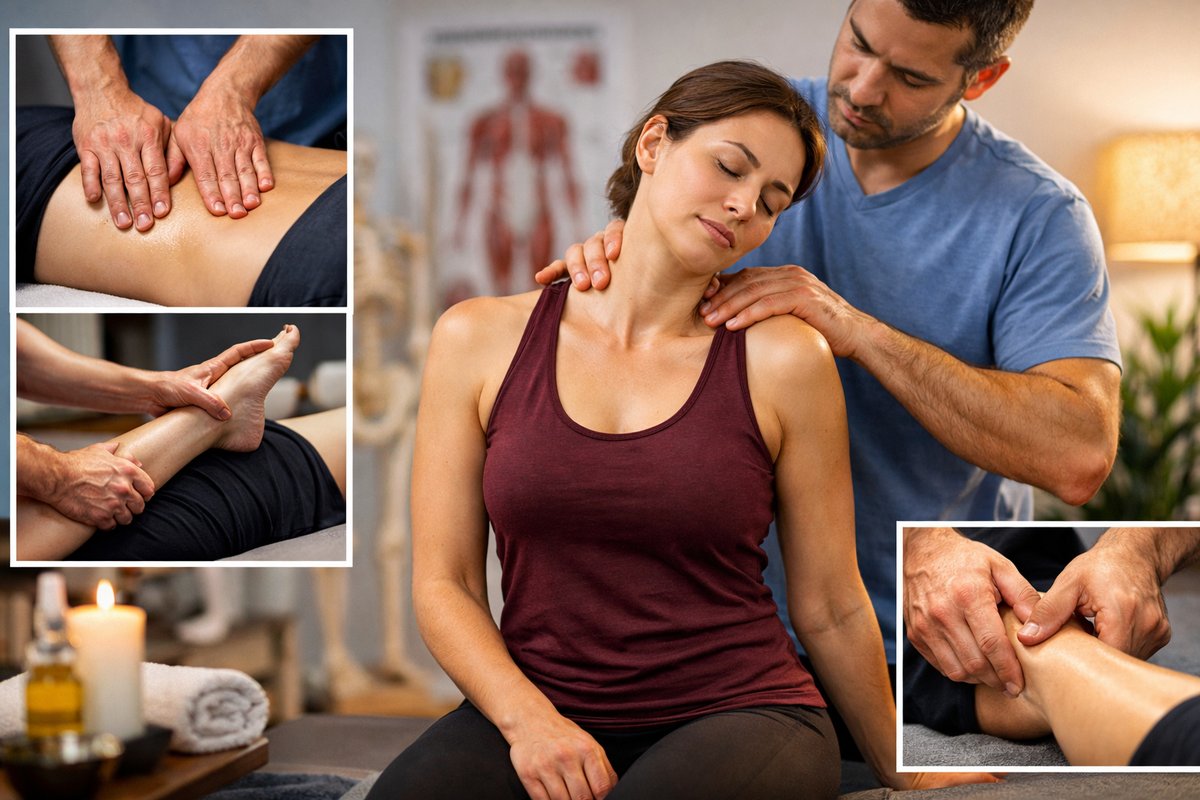

When muscles tighten, everyday tasks-from reaching overhead to simply turning your head-can feel like a chore. Muscle tension is a natural response to stress, poor posture, or overuse, but persistent tightness can limit mobility and sap energy. Manual therapy offers hands-on strategies to help muscles relax, improve circulation, and guide the body back toward balance. In this article, we’ll explore why muscle fibers hold tension, how manual therapy encourages release, and simple, evidence-informed practices you can try safely at home.
What Causes Muscle Tension?
Muscle tension develops when fibers contract and don’t fully return to their resting length. This can happen for several reasons:
- Stress response: When your nervous system senses threat-physical, mental, or emotional-it triggers a “fight or flight” reaction. Muscles tighten to protect the body, but if stress persists, they may stay constricted.
- Postural habits: Sitting at a desk with rounded shoulders or craning your neck to check your phone strains certain muscle groups and leaves others under-used. Over time, some fibers become chronically over-active.
- Repetitive movements: Athletes or workers performing the same action repeatedly can develop localized tension, as muscles adapt to heavy or continual workload.
- Poor circulation: When blood flow slows-due to inactivity or constriction-muscles may feel stiff, achy, or “knotted.”
Left unaddressed, these factors feed into a cycle: tight muscles limit range of motion, which alters movement patterns and adds strain elsewhere. Recognizing tension early is the first step toward relief.
How Manual Therapy Works with the Body
Manual therapy involves skilled touch-pressure, stretching, kneading-that guides tissue toward relaxation. Here’s how it helps:
- Neurological reset: Applying sustained pressure to a tight spot can activate your body’s relaxation response. Nerves send signals to the brain that reduce the “guarded” state of muscle fibers.
- Mechanical release: Techniques like deep tissue stroking or friction help break down small adhesions in connective tissue, restoring smooth gliding between muscle layers.
- Improved circulation: Massage strokes help open up blood vessels and lymph channels, bringing fresh oxygen and nutrients to tired muscles while clearing metabolic by-products.
- Reflexive relaxation: Gentle stretching triggers the muscle’s own protective reflexes. When held at a certain length, muscles relax deeper over time, allowing you to increase flexibility safely.
Scientific studies confirm that manual therapy reduces muscle stiffness and enhances functional mobility. For example, research in physical therapy journals shows measurable improvements in range of motion and pain scores after targeted massage and stretching sessions.
Common Manual Therapy Techniques
Whether you’re working with a licensed therapist or trying simple self-care, these approaches can ease tension:
- Effleurage (light strokes): Smooth, gliding motions in the direction of blood flow. These soft strokes warm up tissue and promote general relaxation.
- Petrissage (kneading): Gentle lifting and rolling of muscle tissue to encourage circulation and loosen tight spots.
- Trigger-point release: Sustained, firm pressure applied to hyper-irritable spots in muscle. Hold for 30-60 seconds while breathing deeply to encourage a relaxation response.
- Myofascial stretching: Slow, sustained stretching that focuses on connective tissue layers. Maintain each stretch for at least 30 seconds without bouncing.
- Passive range of motion: The therapist moves a joint through its full arc to help muscles and connective tissue glide smoothly without active effort from you.
Simple Self-Care Practices to Try Today
You don’t need special qualifications to begin easing tension at home. Focus on comfort, breath awareness, and consistency:
- Foam rolling: Position a foam roller under a tight muscle group-like the calves or upper back-then slowly roll your body weight across it. Pause on tender spots and breathe into the sensation for 20-30 seconds.
- Massage ball: Use a small rubber or lacrosse ball against a wall or on the floor. Gently press into tight areas, such as the shoulder blade or gluteal region, and hold until the muscle softens.
- Self-trigger-point technique: Place your thumb or knuckle on a knot in the neck or shoulder. Apply steady pressure, then relax your grip gradually as tension releases.
- Gentle stretching: Incorporate basic stretches into your day-neck tilts, chest opener against a door frame, seated figure-4 stretch for hips. Hold each stretch for 30 to 60 seconds.
- Mindful breaks: Every hour, stand up, roll your shoulders, and take three slow, full breaths. This simple pause resets posture and calms muscle guard.
Ensuring Safety and Best Outcomes
Manual therapy is generally safe when applied with care. To protect yourself:
- Avoid pressing directly on bones, joints, or sensitive areas-focus on the muscle belly.
- Work within a pain-free to mildly uncomfortable range. Sharp or shooting pain is a signal to back off.
- Use smooth, controlled movements rather than quick, jerky actions.
- Stay hydrated. Fluids help flush out metabolic waste released by massage.
- If you have a history of blood-clotting disorders, recent injuries, or severe inflammation, seek professional guidance before self-treatment.
Regular, gentle self-care combined with occasional sessions from a certified manual therapist can help maintain muscle health and flexibility over time.
Building Body Awareness and Mindful Movement
Manual therapy does more than ease tightness; it reconnects you with the language of your own body. By paying close attention to subtle shifts in tension, temperature, or comfort, you learn to:
- Recognize early warning signs of overload
- Adjust posture before discomfort becomes pain
- Integrate relaxation techniques into daily life
This nurturing approach promotes sustainable well-being and makes every movement feel more fluid.
Your Path to Lasting Relief
Releasing muscle tension takes patience and consistency. Start small-five minutes of self-massage or stretching each day-and gradually increase as you feel more at ease. Partner with a qualified manual therapist for personalized guidance and advanced techniques. Above all, honor your body’s signals and cultivate a practice that supports relaxation, mobility, and resilience. With time, manual therapy can become a cornerstone of your self-care routine, helping you move freely and live more comfortably.