
Why Stress Relief Matters
Everyday life often comes with a cascade of demands-deadlines at work, family responsibilities, and a constant stream of notifications. When left unchecked, chronic stress can contribute to headaches, muscle tightness, poor sleep, and a general sense of overwhelm. Finding reliable, non-invasive strategies to interrupt this cycle helps protect both mental and physical health. Massage therapy is a time-tested approach that directly targets the body’s stress pathways, creating a ripple effect of relaxation and improved wellbeing.
How Massage Addresses the Stress Response
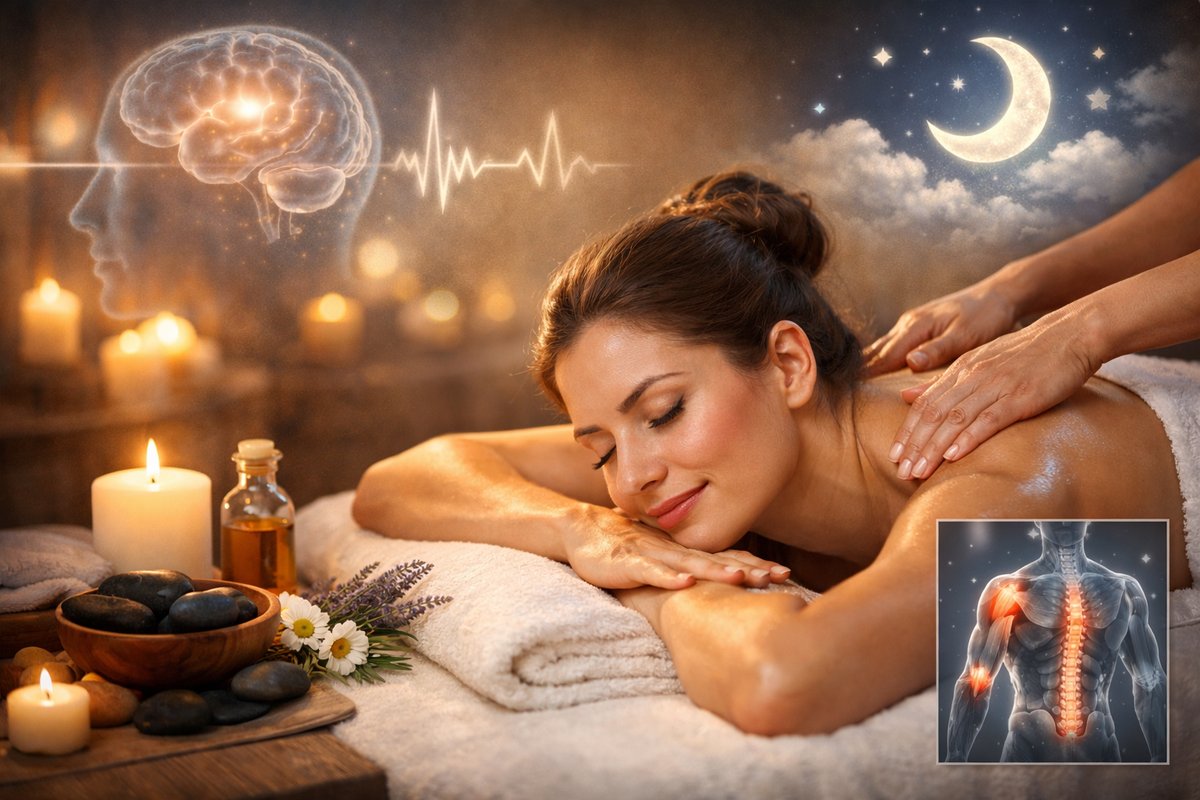
Under stress, the body activates its sympathetic nervous system, flooding muscles with tension and releasing stress hormones like cortisol. Massage introduces gentle pressure and rhythmic movement that signal safety to the nervous system. This tactile input shifts the body into a parasympathetic (“rest and digest”) state, lowering heart rate and encouraging blood flow to muscles needing repair. As tension melts away under skilled hands, the mind often follows suit, making it easier to breathe deeply and release anxious thoughts.
Evidence-Based Benefits
Researchers have examined massage’s impact on stress markers. A study in the Journal of Clinical Psychology found that a single massage session can reduce cortisol levels by up to 30 percent, while simultaneously boosting serotonin and dopamine, two neurotransmitters linked to mood regulation. Another trial published in the International Journal of Neuroscience reported that regular massage led to lower resting heart rates and reduced anxiety scores over an eight-week period.
Beyond hormone shifts, massage improves circulation and lymphatic drainage, helping the body clear metabolic waste from tissues. This combination of physiological improvements supports better sleep, less muscle soreness, and a more resilient stress response over time.
Choosing the Right Massage Style
There is no one-size-fits-all approach when it comes to massage. Here are a few styles that target stress relief:
- Swedish Massage: A gentle, full-body technique featuring long, gliding strokes. Ideal for newcomers and anyone seeking deep relaxation without intense pressure.
- Deep Tissue Massage: Focuses on slow, firm strokes to reach deeper muscle layers. Best for hands-on relief of chronic tension spots, like tight shoulders or a stiff neck.
- Aromatherapy Massage: Combines light to medium pressure with scented oils known for calming properties, such as lavender or chamomile. The scent can amplify the relaxation experience.
- Trigger Point Therapy: Targets specific “knots” or areas of tight muscle fibers. A skilled therapist applies sustained pressure to help muscles release and lengthen.
Discuss your goals and any health considerations with a licensed massage practitioner to find an approach that feels nurturing and safe.
Simple Self-Care Techniques
Professional massage sessions are highly effective, but you can also integrate gentle self-massaging methods at home to counter daily stress build-up:
- Hand and Foot Rub: Use your thumbs to apply circular pressure to the fleshy pads of your hands and feet. This improves circulation and invites a quick sense of comfort.
- Neck and Shoulder Roll: Gently knead the base of your skull and upper trapezius muscles. Support your head with one hand and let your fingertips apply gentle pressure in small circles.
- Foam Roll Release: Position a foam roller under your upper back and slowly roll up and down. Pause on tender spots for 10-15 seconds to encourage muscle release.
- Breath-Synchronized Touch: While massaging any area, breathe in slowly for four counts, then exhale for six counts. Coordinating breath with touch deepens the mind-body connection.
Safe and Informed Practice
When exploring massage at home or with a professional, keep these safety guidelines in mind:
- Consult First: If you have any existing injuries, high blood pressure, or health conditions, check with a healthcare professional before starting deep massage work.
- Use Quality Lubricants: Choose a gentle, unscented oil or a low-allergy massage lotion to avoid skin irritation. Test a small patch of skin first.
- Avoid Overworking: Spending excessive time on one spot can cause bruising. Aim for 3-5 minutes per area and listen to your body’s feedback.
- Maintain Comfort: Support your body with pillows or rolled towels, and keep the room at a comfortable temperature.
Bringing Massage into Your Routine
Consistency amplifies massage’s stress-relief effects. Whether you arrange weekly sessions with a licensed therapist or build short self-massage rituals into your evenings, a regular practice signals to your body that rest is not an occasional luxury but a vital habit.
Pairing massage with other mindful activities-such as light stretching, a warm bath, or meditation-can create a restorative evening ritual that prepares you for deeper sleep and fresh energy the next day. Small daily investments in self-care pay dividends in long-term resilience.
Embracing Mindful Self-Care
Massage therapy invites us to slow down, notice physical sensations, and prioritize intentional rest. By engaging both body and mind through touch, we create space for tension to soften and for our nervous system to find balance again. Whether through professional appointments or self-guided techniques, making stress relief a hands-on practice fosters a kinder relationship with our own wellbeing. As you explore these methods, remember that each moment of calm supports a healthier, more vibrant you.