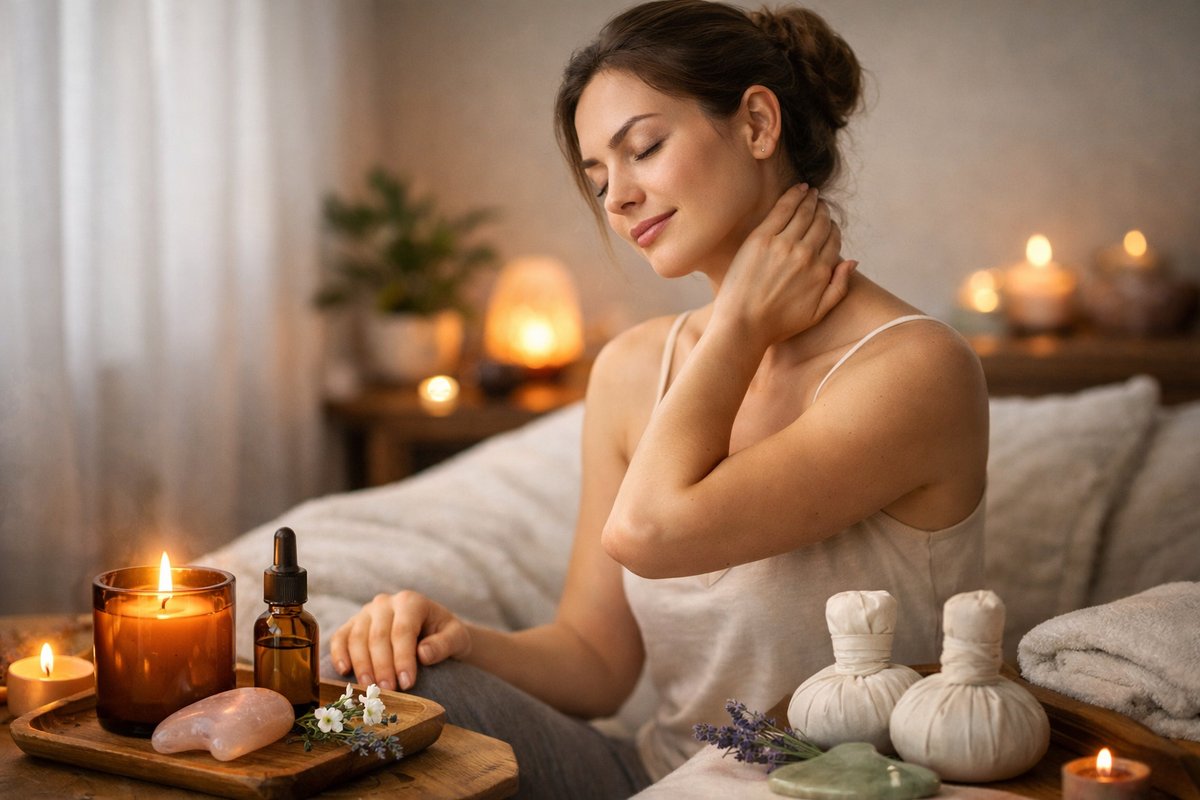

Massage therapy isn’t just a luxury-it’s a practical ally in navigating daily stress, releasing built-up muscle tension, and settling into better sleep. When life moves quickly, taking a few moments to tune in to the body can make a significant difference in how we feel and function. By exploring accessible self-massage methods grounded in professional practice, you can cultivate a routine that soothes both mind and body without elaborate equipment or expert training.
A Calming Touch: How Massage Reduces Stress
Stress triggers a cascade of physical and chemical responses: elevated heart rate, tightened muscles, and a surge of stress hormones. Gentle, rhythmic massage stimulates pressure receptors beneath the skin, encouraging the nervous system to shift toward relaxation. Research shows that even brief sessions of self-massage can lower cortisol levels and release endorphins, the body’s natural “feel-good” chemicals.
Imagine rolling a warm, lightly oiled thumb across your neck and shoulders, feeling each muscle fiber soften. The combination of warmth, pressure, and slow movement cues the parasympathetic system-your body’s rest-and-digest mode-to take over. This shift can ease tension headaches and quiet a racing mind, making it easier to move through the rest of your day with greater calm.
Targeting Muscle Tension through Manual Pressure
Muscle knots, or “trigger points,” form when fibers remain contracted for too long. This often happens after long hours at a desk, repetitive movements, or intense workouts. Applying focused, gentle pressure to these points encourages local blood flow, delivering fresh oxygen and nutrients that help fibers unwind.
To locate a tight spot, use your fingertips to scan areas that feel firm or tender-common zones include the base of the skull, upper trapezius (between neck and shoulder), and lower back along the spine. Press gradually into each point for 15 to 30 seconds, then release. You may feel a brief ache that quickly dissipates into a sense of release. Repeat this process across several spots to encourage overall relaxation of the muscle network.
Drifting into Rest: Massage for Better Sleep
Restful sleep depends on a smooth transition from wakefulness to deep relaxation. Evening self-massage can set the stage for that transition by winding down both mind and body. Focus on areas that tend to hold tension: the temples, jawline, inner wrist, and soles of the feet.
Begin by cupping one hand over your forehead, gently sweeping from hairline to brow. Use slow, circular motions on the temples with your index and middle fingers. Shift to your jaw: place fingertips just in front of the ears and massage in small circles to release clenching. For a soothing finish, trace gentle lines along each inner wrist-here lie acupressure points linked to calm. Finish at the feet: press into the arch using a soft but firm thumbs-down motion, then glide the heel of your hand from toes to heel several times.
This bedtime ritual signals to your nervous system that it’s time to unwind. Over time, those cues help reinforce a sleep-friendly routine, making it easier to fall and stay asleep.
Simple Self-Massage Techniques You Can Try Today
1. Foam Roller Stretch: Lie with a foam roller under your mid-back. Support your head and gently roll up and down, pausing on any tight spots. Breathe into the tension and let it soften.
2. Tennis Ball Release: Place a tennis ball between your shoulder blade and a wall. Lean in until you feel pressure, then move your body in tiny circles to massage the knot away.
3. Hand Glides for Carpal Comfort: Rub both hands together to warm the skin. Use opposite thumb to glide along each finger from base to tip, then press and release along the palm’s center to counteract hours of typing.
4. Scalp Soothing: With fingertips, apply gentle, circular pressure around the entire scalp. Work slowly from the front hairline back to the nape. This can relieve tension and promote a light, airy feeling above the shoulders.
5. Foot Rub Finale: Sit comfortably and place one foot over the opposite knee. Use thumbs to make firm, circular strokes across the sole. Finish by pulling each toe gently and rotating the ankle in circles.
Choosing the Right Elements for Home Practice
While skilled hands and a professional setting offer the deepest level of release, you can create a mini oasis at home with a few simple tools. A non-slip mat provides stable footing for standing releases. A foam roller or firm massage ball unlocks hard-to-reach spots. Warming a soft cloth or using a microwaveable heating pad adds comforting heat that enhances muscle pliability.
Massage oil or lotion can reduce friction and help your hands glide smoothly over the skin. Look for gentle, unscented options if you have sensitive skin. If you enjoy a light fragrance, a drop of lavender or chamomile essential oil can foster relaxation-but always perform a small patch test to rule out irritation.
Guidelines for Safe Self-Massage
– Start gently. Too much pressure can aggravate muscles and nearby nerves. Increase intensity gradually as you learn what your body tolerates.
– Avoid areas with open wounds, inflamed joints, or acute injuries. If you have chronic conditions, check with a healthcare professional before beginning a new self-care routine.
– Breathe consciously. Inhaling deeply through the nose and exhaling slowly through the mouth supports relaxation.
– Keep sessions brief. Even five minutes of targeted massage can offer noticeable relief. Longer sessions are fine if you feel comfortable and focused.
– Listen to discomfort signals. If pain spikes or nerves tingle sharply, ease off or shift to a different location.
Nurturing Notes
Massage therapy is an invitation to slow down and connect with the body’s innate wisdom. By learning simple, evidence-informed self-massage techniques, you empower yourself to manage stress, soothe muscle tension, and prepare for a restful night’s sleep-no appointment needed. Try weaving a few of these practices into your day, and notice how a gentle touch can transform the way you feel from the inside out.