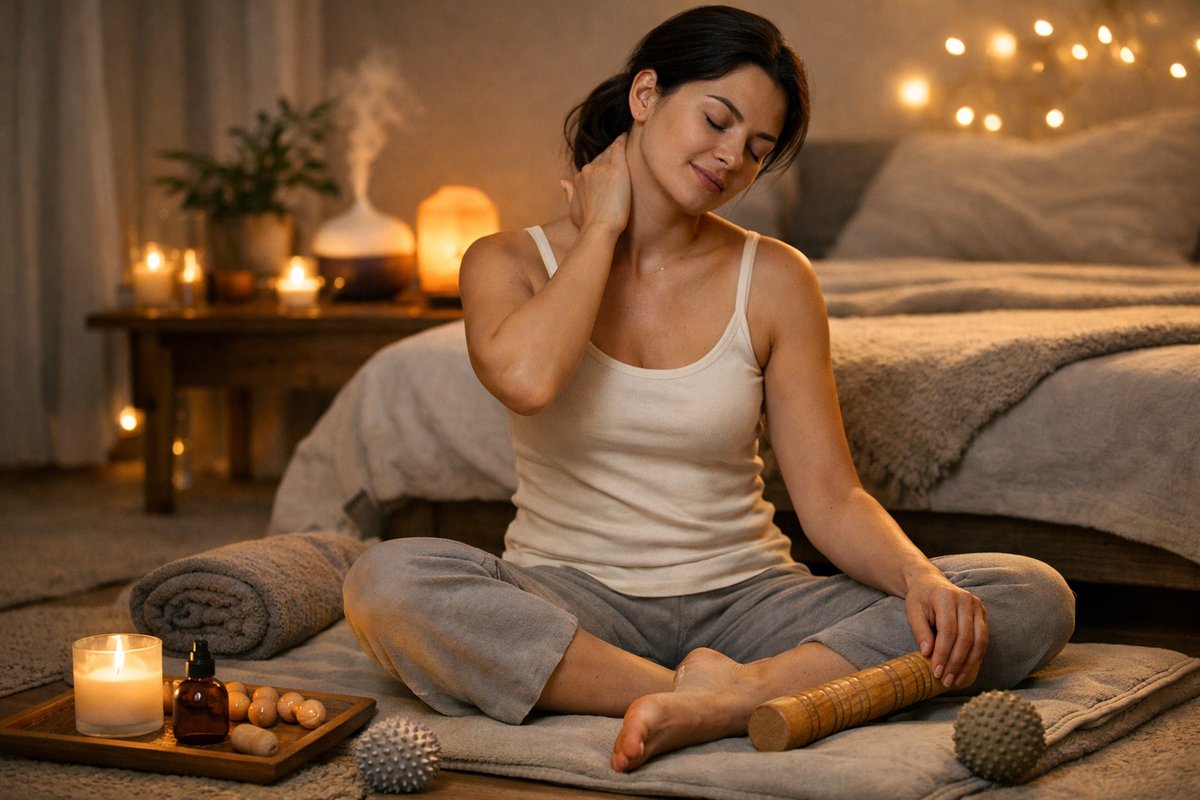

In our busy lives, small moments of calm can make a big difference. Self-massage puts relaxation directly in your hands, helping to relieve tight muscles, lower stress hormones, and ease you into a deeper, more restorative sleep. Whether at your desk after a long day or beside your bed before lights out, these simple techniques invite you to connect with your body and unwind in minutes.
The Science Behind Self-Massage
Research into touch therapy shows that gentle pressure and rhythmic movement stimulate the parasympathetic nervous system, often called the “rest and digest” response. Studies have observed reductions in cortisol, the stress hormone, after just a few minutes of self-administered pressure on key points. At the same time, mechanoreceptors in your skin send calming signals to the brain, triggering endorphin release and easing muscle tension. While professional massage offers expert guidance, self-massage brings those same benefits within reach anytime you need a quick reset.
Five Simple Techniques to Try Tonight
Each of these approaches can be done in pajamas or work clothes. Spend two to five minutes on each area, adjusting the pressure to what feels soothing rather than painful.
1. Scalp Soother: Using finger pads, press gently into your scalp and move in small circles from the hairline to the crown. This can boost circulation and quiet a racing mind. Finish by cradling the base of your skull and taking three slow breaths.
2. Jaw and Temple Relief: If your jaw feels tight from clenching, place your thumbs just in front of your earlobes. Apply light pressure and sweep down toward your chin. Then use your index and middle fingers to massage temples in slow, circular motions, inviting tension to soften.
3. Neck and Shoulder Release: With one hand, grip the base of your opposite neck and glide down toward the top of your shoulder blade. Switch sides. For added relief, gently tilt your head away from the working side while maintaining steady pressure.
4. Hand and Wrist Care: Interlace fingers and use thumbs to press into the center of each palm, moving in small circles. Then massage the base of each thumb and run your thumbs along the top of the wrist to ease gripping strain from typing or lifting.
5. Foot Reviver: From a seated position, roll each foot over a massage ball or tennis ball, applying enough weight to feel sustained pressure. Focus on the arch and outer edge. Conclude with firm squeezes of your toes to release built-up stress from standing or walking.
Guidelines for Safe Practice
• Start gently. Increased pressure doesn’t always mean better results. Aim for a comfortable level of sensation.
• Avoid areas with open wounds, severe varicose veins, or known fractures.
• Stay hydrated before and after self-massage to help flush released metabolites from soft tissues.
• If you’ve been advised against certain movements by a healthcare professional, follow those guidelines and consult before trying new techniques.
Bringing Self-Massage into Your Daily Ritual
Consistency is key. Choose the same time each day-perhaps right after evening tea or just before settling into bed. Combine self-massage with deep breathing, gentle stretching, or soft ambient music to reinforce relaxation. Keep tools like a smooth massage ball or a small travel roller nearby so you can effortlessly integrate touch into busy moments at work or on the go. Even a one-minute break at your desk can reset muscle tension and clear mental fog, setting you up for a calmer evening.
Embracing Mindful Self-Care
Self-massage is more than a technique; it’s an act of kindness toward your own body. By tuning in to areas of tightness or fatigue, you cultivate a compassionate awareness that supports overall wellbeing. Start small, pay attention to what feels good, and honor the sensations that emerge. Over time, these mindful pauses become invitations to slow down, breathe deeply, and drift into sleep with a sense of calm confidence in your own caring touch.