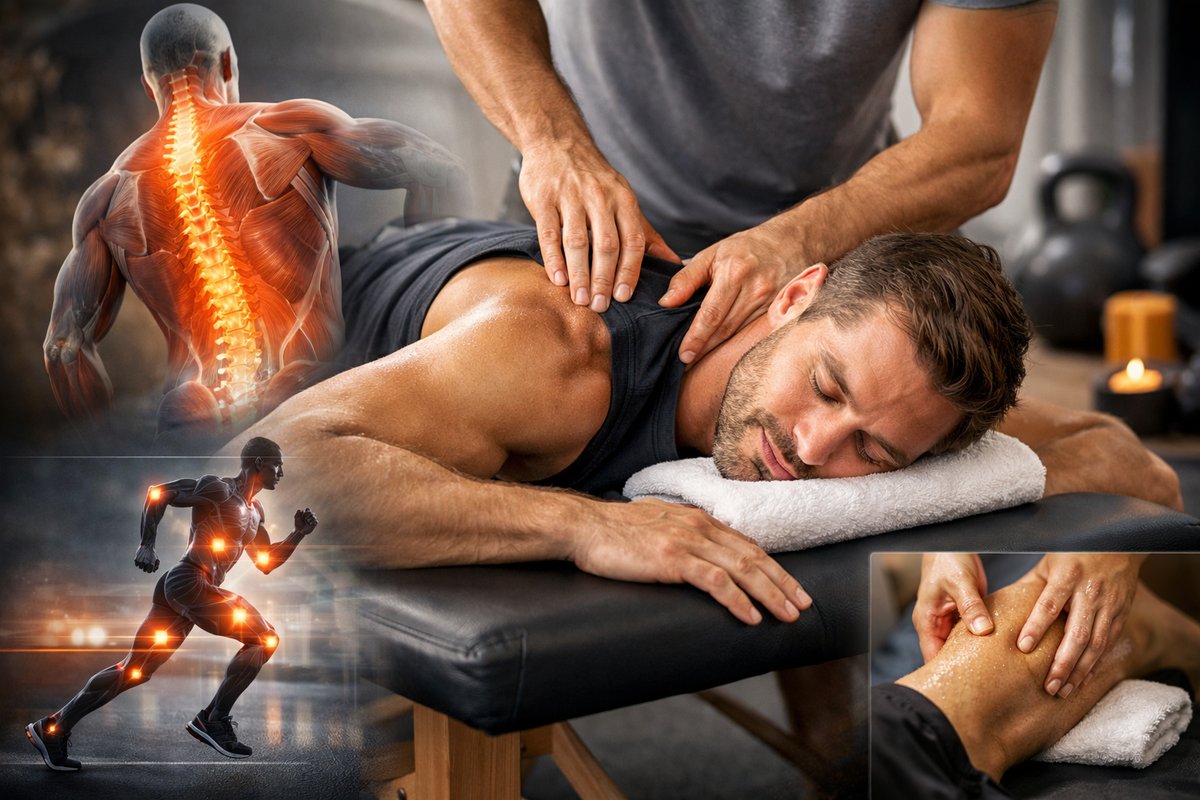

Why Sports Massage Matters
After an intense run or a weight-lifting session, your muscles send signals of fatigue: stiffness, minor aches, or general tightness. Sports massage steps in as a hands-on approach to comfort tired muscles and help them bounce back sooner. Rooted in clinical practice, this form of manual therapy uses specialized strokes and pressure to enhance blood flow, support tissue repair, and calm the nervous system. Whether you’re an amateur weekend warrior or someone who enjoys daily workouts, integrating sports massage into your routine can transform how your body feels and moves.
How It Supports Muscle Recovery
When you exercise, microscopic damage occurs in muscle fibers. A certain amount of inflammation and soreness-often called delayed onset muscle soreness (DOMS)-is perfectly normal. Research shows that sports massage helps accelerate the removal of metabolic waste products, like lactic acid, and delivers fresh, oxygen-rich blood to the area. Improved circulation can reduce inflammation, speed up tissue repair, and even improve range of motion.
In one study of recreational athletes, participants who received a 15-minute sports massage within two hours of exercise reported significantly less soreness 48 hours later than those who did not. Another investigation found that regular massage sessions increased flexibility measures by up to 10 percent over a four-week period. By targeting both superficial and deeper muscle layers, sports massage eases micro-knots and restores natural muscle length.
Techniques You Can Expect
Sports massage combines classic massage methods with movement and stretching. Here are a few techniques commonly used:
- Effleurage: Long, gliding strokes that warm up the tissue and promote circulation.
- Petrissage: Kneading and lifting motions that release muscle tension and improve lymphatic drainage.
- Friction: Focused, deep pressure across muscle fibers to break down tightness.
- Tapotement: Rhythmic, percussive taps that stimulate the nervous system and awaken muscles.
- Active Release Techniques (ART): Combining pressure with targeted stretches to free up muscle adhesions.
Practical Tips for Safe Self-Massage
You don’t need a professional chair or a special license to experience some benefits of sports massage at home. Start with these evidence-informed suggestions:
- Warm up: Spend five minutes doing light movement-walking in place or gentle arm circles-to boost circulation before self-massage.
- Use supportive tools: A foam roller or massage ball can apply consistent pressure to stubborn spots. Roll slowly and pause on tender areas for 20-30 seconds before moving on.
- Adjust pressure: Aim for discomfort that is mild to moderate, never sharp pain. If a spot feels too intense, lighten your touch or switch to a larger tool.
- Focus on breathing: Inhale as you prepare, exhale as you apply pressure. A steady breath pattern helps your muscles relax and reduces the urge to tense up.
- Hydrate: Drinking water after self-massage supports the removal of metabolic byproducts and replenishes fluids lost through perspiration.
Integrating Sports Massage into Your Routine
Consistency is key. Aim for a brief session-10 to 15 minutes-after workouts two to three times per week, or whenever you notice lingering tightness. Here’s one way to structure your plan:
- Immediately Post-Workout: Spend five minutes attending to large muscle groups that were most active (for runners, calves and quads; for lifters, shoulders and back).
- Mid-Week Maintenance: A longer 15-minute self-massage focusing on areas prone to knots, like the neck, upper back, or hamstrings.
- Rest Day Recovery: Combine massage with gentle stretching or yoga poses to encourage mobility and relaxation.
If you decide to see a licensed massage therapist, communicate your goals clearly-whether you want deeper work or a lighter touch for relaxation. A tailored session every two to four weeks can complement your home routine and keep you moving freely.
Mindful Aftercare
After any massage-professional or self-administered-your muscles are especially receptive to care. Keep the momentum going with these simple steps:
- Continue moving: A short walk or gentle joint rotations prevent muscles from tightening back up.
- Gentle stretching: Focus on the major groups you worked, holding each stretch for 20-30 seconds without bouncing.
- Rest mindfully: Notice how your body feels for the next few hours. Observing changes enhances body awareness and guides your next recovery steps.
Reviving Body and Mind
Incorporating sports massage into your wellness habits isn’t just about easing soreness-it’s an invitation to tune in to your body’s signals, support its natural repair processes, and find a moment of calm in a busy day. Over time, you’ll likely notice smoother movement, less stiffness, and a renewed sense of readiness for whatever activity comes next. Let each session be a reminder that self-care and peak performance can go hand in hand.
When you prioritize muscle care with evidence-based techniques and safe practices, you give your body the best chance to recover, adapt, and thrive. Next time you feel tension creeping in, reach for a roller, pause for gentle strokes, or schedule a professional visit-your muscles will thank you.