
The Importance of Targeted Recovery
Whether you’re a weekend warrior, a daily jogger, or someone who spends hours at a standing desk, your muscles work hard to support every movement. Sports massage is designed to meet that challenge with focused techniques that promote blood flow, alleviate tension, and speed up the body’s natural repair processes. By understanding how manual therapy influences muscle physiology and tissue remodeling, you can harness these benefits for safer workouts, less soreness, and deeper rest.
What Makes Sports Massage Unique
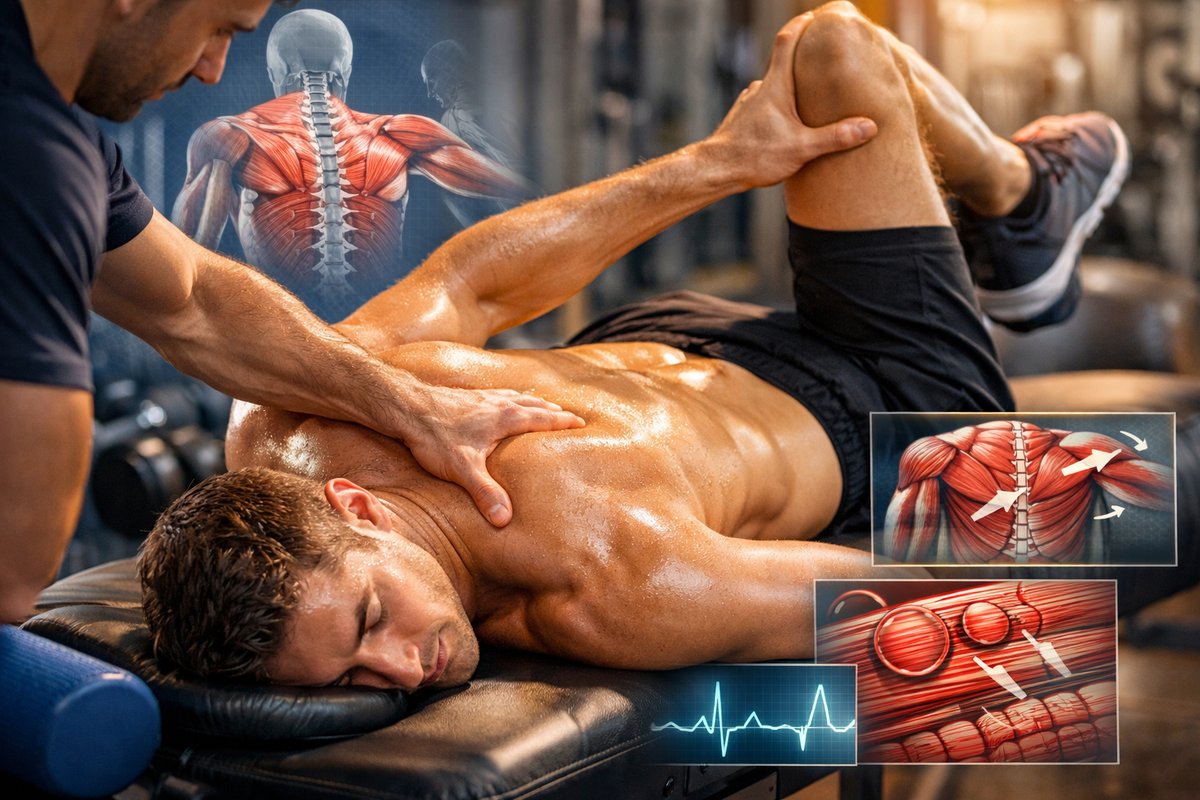
Unlike a general relaxation massage, sports massage combines techniques from Swedish massage, deep tissue work, and stretching to address specific muscle groups. Typically performed before or after exercise, it employs:
- Effleurage: Long, gliding strokes that warm tissue and encourage circulation.
- Petrissage: Kneading motions to soften tight knots and improve lymphatic drainage.
- Friction: Deeper, focused pressure to break down adhesions and scar tissue.
- Active and passive stretching: Gentle lengthening of muscle fibers to enhance flexibility.
Research shows that these combined approaches reduce muscle stiffness more effectively than passive stretching alone, setting the stage for smoother, stronger movements.
Speeding Up Muscle Recovery
After a challenging workout, tiny microtears form in your muscle fibers. The body naturally repairs these, but inflammation and metabolic by-products such as lactic acid can delay the process. Sports massage encourages:
- Enhanced circulation: Manual pressure pushes blood into capillaries, supplying oxygen and nutrients for tissue repair.
- Efficient waste removal: Lymphatic flow increases, helping to clear toxins and reduce swelling.
- Reduced inflammation: Light compression has been shown to lower inflammatory markers in muscle tissue.
One study of recreational athletes found that a single session of targeted massage after exercise led to reduced muscle soreness and a quicker return to peak performance within 48 hours.
Easing Muscle Tension and Delayed Onset Soreness
That stiff, achy feeling the day after a hard workout is known as delayed onset muscle soreness (DOMS). It can limit your range of motion and discourage you from staying active. Sports massage addresses DOMS through:
- Neuromuscular techniques: Trigger-point release relaxes localized knots, interrupting pain signals sent to the brain.
- Cross-fiber friction: Gentle back-and-forth movements realign collagen fibers in healing tissue for greater resilience.
- Myofascial release: Sustained pressure and stretching of the connective tissue surrounding muscles helps free up tight envelopes of fascia.
Participants in a controlled trial reported up to a 30% reduction in soreness when massage was applied within two hours of finishing exercise compared to no intervention.
Enhancing Flexibility and Range of Motion
Tight muscles can limit your stride length, squat depth, or shoulder mobility-and they raise the risk of strains. Sports massage supports flexibility by:
- Lengthening muscle fibers: Stretch-and-hold techniques gently coax muscles to relax and extend.
- Improving tissue hydration: Massage stimulates interstitial fluid flow, keeping tissue pliable.
- Encouraging proprioception: Hands-on feedback helps your body sense its position and movement boundaries more accurately.
Evidence suggests that athletes who receive regular sports massage demonstrate significant gains in joint range of motion-beneficial for lifting, sprinting, or even reaching overhead during daily tasks.
Hydration, Nutrition, and Recovery Synergy
Massage works best when paired with proper hydration and balanced nutrition. Water supports circulation and flushes waste more effectively, while electrolytes help maintain muscle function. Healthy proteins, fats, and carbohydrates supply the building blocks for tissue repair. To maximize benefits:
- Drink plain water or low-sugar electrolyte beverages before and after sessions.
- Include lean protein or plant-based alternatives within an hour of massage to aid collagen synthesis.
- Choose whole foods rich in antioxidants-berries, leafy greens, nuts-to combat oxidative stress from exercise.
This holistic approach creates an optimal environment for healing and resilience.
Techniques You Can Try at Home
You don’t need a professional therapist every day to support recovery. Simple self-care tools and mindful touch can make a real difference:
- Foam rolling: Roll major muscle groups slowly, pausing on tender spots for 30 seconds to release tightness.
- Massage ball: Use a small, firm ball under your glutes, shoulders, or calves to apply pinpoint pressure.
- Static stretching: Hold gentle stretches for 20-30 seconds after rolling to lock in gains in flexibility.
- Heat application: A warm heated pad before self-massage can relax muscles and improve tolerance to pressure.
Always listen to your body: apply moderate pressure and never push through sharp pain.
Setting the Stage for a Calming Session
A relaxing environment amplifies massage benefits by lowering stress hormones. Try these simple touches:
- Dim the lights or use a warm lamp to soften the room.
- Play gentle instrumental music or nature sounds at low volume.
- Use a clean towel or soft sheet to cushion the treatment area.
- Practice deep diaphragmatic breathing, inhaling through the nose and exhaling slowly through the mouth.
When your mind settles, your body follows.
Embracing Mindful Movement
Sports massage isn’t a standalone fix-it shines when combined with mindful activity. Consider adding gentle yoga flows, guided mobility sequences, or a short walk on recovery days. These low-impact movements help circulation, reinforce newly gained flexibility, and train your awareness of how each muscle feels under load.
A Gentle Reminder for Self-Care
Feeling grounded in your body takes daily attention. By incorporating sports massage techniques-whether from a qualified therapist or through self-care tools-you can nurture muscles that work hard for you every day. Track how your body responds, honor days of rest, and celebrate small gains in comfort and mobility. Remember: a consistent, balanced approach is the true path to sustained performance and wellbeing.
When you tune in to the language of your muscles, you become your own best advocate for health, resilience, and joyful movement.