
Why Prenatal Massage Matters
Pregnancy is a time of profound change-physically, emotionally, and hormonally. As a growing body adapts to support new life, it’s common to experience lower-back strain, swollen ankles, disrupted sleep, and heightened stress. Prenatal massage addresses these challenges by delivering gentle, hands-on therapy designed specifically for expecting parents. Rooted in research from obstetric care and manual therapy, prenatal massage can be a cornerstone of everyday well-being during pregnancy.
Understanding Prenatal Massage
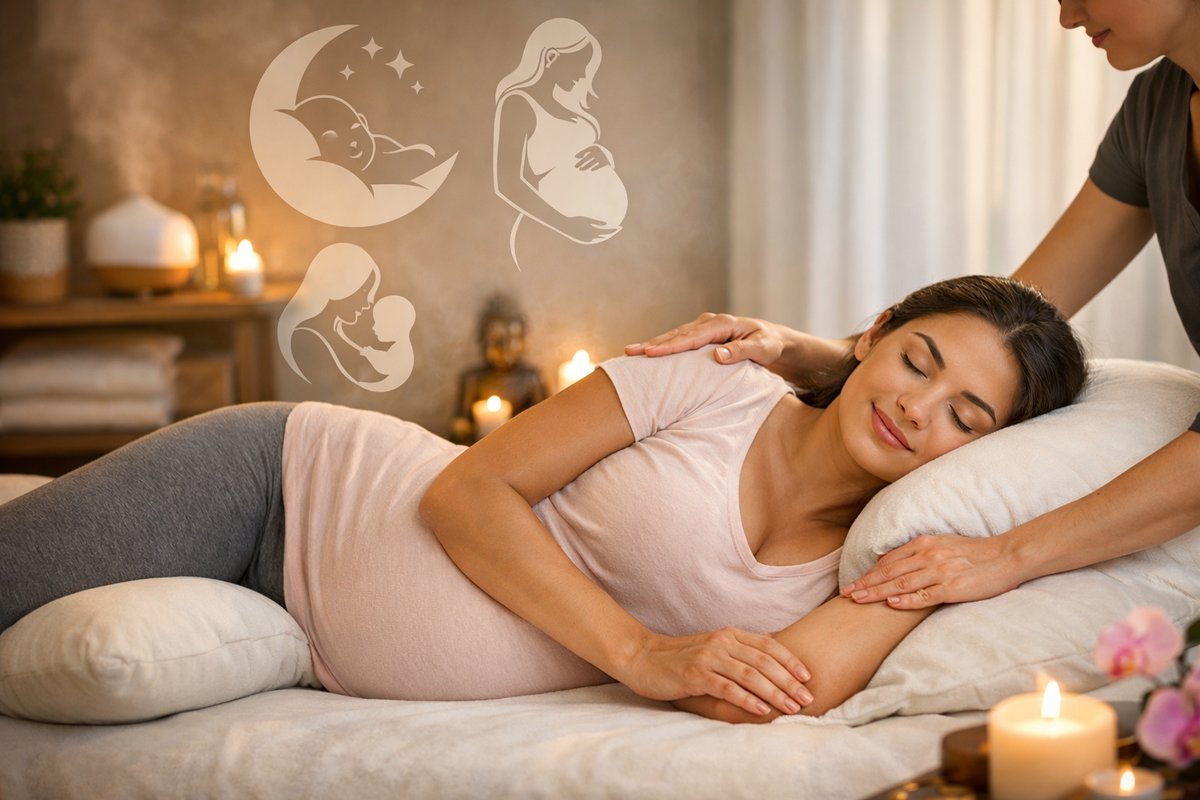
Prenatal massage differs from general relaxation techniques by focusing on positions and approaches that keep both mother and baby safe. Therapists are trained to avoid deep pressure over the abdomen and to use side-lying cushions or specially designed tables. A session typically blends the following elements:
• Light to medium pressure strokes along the back, shoulders, and limbs
• Effleurage (long, gliding strokes) to stimulate circulation and lymph flow
• Gentle kneading to ease muscle knots in the neck, hips, and legs
• Mild stretching to maintain joint mobility and reduce stiffness
Evidence shows that when massage is adapted for pregnant bodies, it can lower levels of stress hormones like cortisol while boosting endorphins and serotonin. This hormonal shift helps ease anxiety, supports emotional balance, and creates a sense of calm that carries into daily life.
Key Benefits Backed by Research
Stress Relief and Mood Enhancement
Studies in maternal health journals highlight that prenatal massage reduces perceived stress and anxiety. Participants often report feeling more emotionally grounded and better able to cope with the ebb and flow of pregnancy hormones.
Reduction of Muscle Tension and Pain
As the pelvis and spine shift to accommodate a growing baby, many mothers experience lower-back pain and tightness in the hips. Controlled clinical trials have documented significant pain reduction when massage is delivered twice a month, with improvements lasting up to two weeks after each session.
Improved Sleep Quality
Disrupted sleep is a common complaint in later trimesters. By promoting relaxation and reducing discomfort, prenatal massage can shorten the time it takes to fall asleep and decrease nighttime awakenings. Polysomnography studies suggest that the deep breathing and muscle release fostered by massage facilitate restorative sleep cycles.
Enhanced Circulation and Reduced Swelling
Mild fluid retention around the ankles and feet can lead to discomfort and heaviness. Gentle lymphatic drainage techniques help move excess fluid out of tissue, encouraging better circulation and a lighter, more energetic feeling.
Safe Practices and Precautions
Focus on Qualified Providers
Choose a therapist certified in prenatal techniques. They’ll understand contraindications such as high-risk pregnancy factors, preeclampsia, or blood-clotting issues.
Avoid Certain Positions and Points
Deep pressure on specific abdominal reflex points or lying flat on the back for extended periods can reduce blood flow. Side-lying with supportive bolsters and light pressure guided by your comfort level is the recommended approach.
Communication Is Key
Always share any discomfort, dizziness, or unusual symptoms during a session. A skilled therapist will adjust pressure, positioning, or the flow of the session in response to your feedback.
Choosing Your Ideal Session
Timing and Frequency
Most mothers find benefit in monthly sessions during the first two trimesters, increasing to bi-weekly visits in the third trimester. Speak with both your care provider and therapist to find a schedule that complements your overall prenatal plan.
Environment and Ambiance
Select a calm setting with dim lighting, soft music, and a comfortable room temperature. A sensory-aware environment reinforces relaxation by reducing external distractions.
Tools and Supports
Side-lying cushions, pregnancy-specific massage tables, and a quality body pillow help maintain proper spinal alignment. Confirm that your therapist uses non-irritating, hypoallergenic oils or lotions to prevent skin sensitivity.
Simple Self-Care Techniques at Home
Gentle Self-Massage
Use the palm of your hand to apply soft, circular motion around the lower back and shoulders. A small handheld massage ball can help target tight spots between the shoulder blades while seated.
Soothing Warm Compress
A warm (not hot) towel or compress placed along the lower back or under the legs can relieve muscle tension before bedtime.
Mindful Breathing
Pair gentle stretches with slow inhales and exhales. As you stretch the hips or chest, breathe deeply into the rib cage to open spaces and cultivate a sense of calm.
Light Movement and Stretching
Daily walks, supported squats near a chair, and gentle pelvic tilts maintain mobility. Always move within comfort zones, stopping at the first sign of strain.
A Gentle Path to Mindful Self-Care
Prenatal massage isn’t a luxury-it’s a supportive practice rooted in evidence and tailored for changing bodies. By working with trained professionals and integrating safe, home-based routines, expecting parents can experience less pain, better sleep, and an enhanced sense of wellbeing. Embrace these moments of calm touch as invitations to connect with your body, honor its needs, and nurture both physical comfort and emotional balance during this transformative journey.