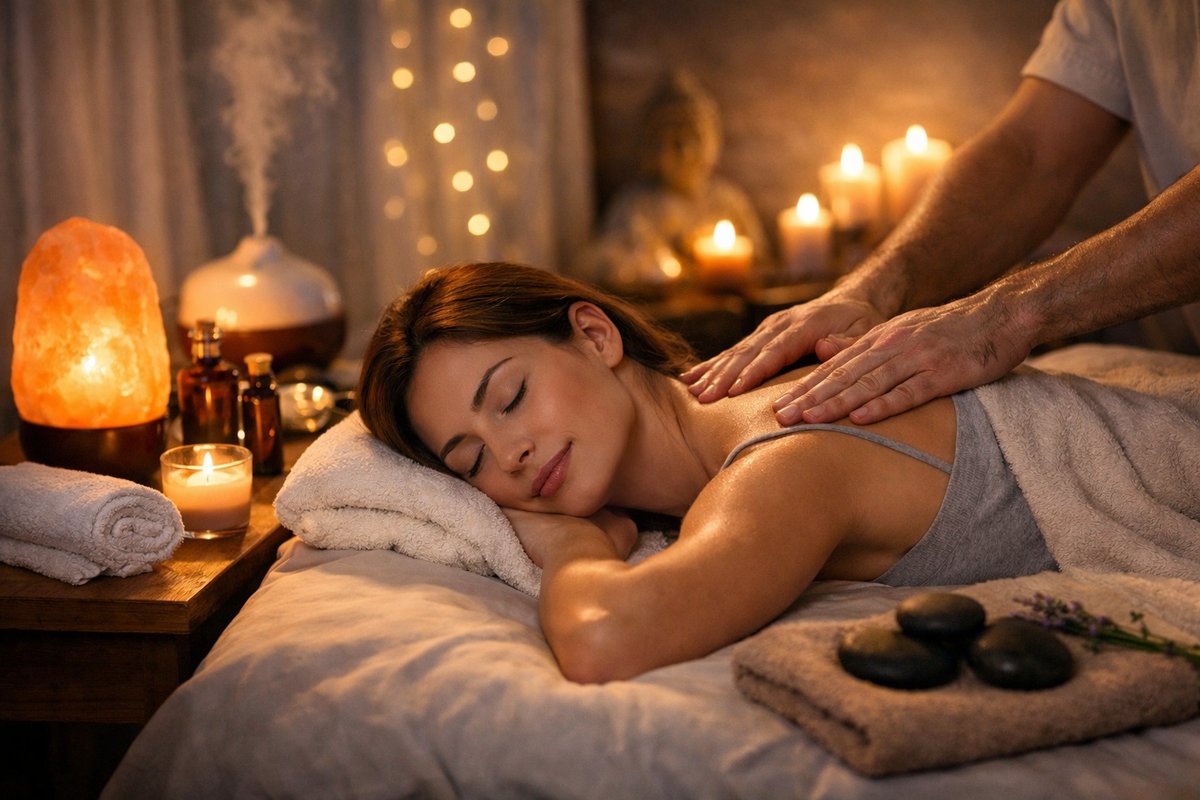

Finding restful sleep can feel elusive when the mind races and muscles hold onto tension. By introducing gentle massage into your evening routine, you invite a cascade of physical and psychological benefits that ease you toward deeper slumber. Grounded in research and time-tested practice, simple touch techniques can lower stress hormones, soothe tight muscles, and nurture a sense of calm that carries you from wakefulness into sleep.
The Science of Touch and Sleep
Touch triggers a cascade of physiological responses. Studies show that even brief sessions of soft tissue manipulation can lower levels of cortisol, the stress hormone that often keeps us alert long after we’ve put down our phones. At the same time, massage can boost production of serotonin and oxytocin-neurochemicals linked to relaxation, mood regulation, and a measured heart rate. When cortisol dips and serotonin rises, the body naturally transitions toward parasympathetic dominance: a state of “rest and digest” that primes us for restorative sleep cycles.
Beyond hormonal shifts, gentle pressure and stroking activate mechanoreceptors in the skin. These specialized nerve endings send signals to the spinal cord and brainstem, helping to modulate pain pathways and reduce muscle guarding. As muscle knots dissolve under skilled hands or self-massage tools, blood flow improves, lactic acid clears more efficiently, and nerve pathways calm. In combination, these effects reduce physical discomfort and quiet the internal chatter that keeps us tossing and turning.
Key Techniques to Enhance Relaxation
1. Effleurage: Long, gliding strokes across large muscle groups-such as the back of the shoulders or thighs-encourage circulation and soothe superficial tension. Use the palms or fingertips to apply light, even pressure, moving from the center of the body outward in a gentle, rhythmic pattern.
2. Petrissage: This method involves kneading deeper muscle layers by lifting and rolling soft tissue between thumb and fingers. Apply moderate pressure to areas that feel tense or knotted, such as the base of the neck or the fleshy part of the calves. This helps release adhesions and promotes flexibility.
3. Trigger-point release: Tender spots in muscle fibers can refer discomfort elsewhere in the body. Locate areas that feel particularly tight or tender, then press gently and hold for 20 to 30 seconds. As the muscle releases, you may feel a temporary ache that gives way to softness and relief.
4. Myofascial glide: Fascia is the connective tissue that surrounds muscles. To encourage its healthy movement, glide your fingers or a massage tool along the direction of the fibers, using light to moderate pressure. This technique helps restore supple tissue movement and can ease the sensation of tightness that lingers into the night.
At-Home Self-Massage Practices
You don’t need professional training or a full massage table to bring these techniques home. Start with a comfortable surface-your bed, a soft rug, or a yoga mat in a quiet corner. Keep a small pillow or rolled towel nearby to support areas like the neck or lower back.
• Neck and shoulders: Gently cradle the base of your skull with fingertips, applying small circles around the hairline and along the trapezius muscle. Gradually increase pressure as comfort allows, then glide your hands down toward the shoulders to lengthen the tissue.
• Lower back and hips: Lie on your side with a pillow between your knees. Place one hand on the lower back and use your opposite forearm to press outward in sweeping motions. This can relieve tension that often builds from long hours at a desk.
• Arms and hands: Use your thumb to trace small circles along the fleshy webbing between thumb and index finger. Continue along each finger, squeezing gently to promote circulation and reduce gripping fatigue.
• Legs and feet: Sitting on the edge of a chair, roll each calf over a foam roller or massage ball, pausing on tender spots. For the feet, flex and point the toes, then press a ball into the sole, moving from heel to ball of foot to unlock tension and promote better blood flow before bedtime.
Combining Aromatherapy with Gentle Touch
Scent and touch work together to deepen relaxation. Aromatic compounds in essential oils can influence the limbic system, the area of the brain involved in emotion and memory. Lavender, chamomile, and sandalwood extracts are supported by research for their calming properties. A few drops added to a carrier oil-such as sweet almond or fractionated coconut-can enhance a self-massage session.
Diffuse a mild blend in your bedroom thirty minutes before massage begins to establish a soothing atmosphere. When you apply the scented oil, inhale slowly, letting the fragrance ground you in the present moment. Avoid using undiluted essential oils directly on the skin, and always perform a patch test to check for sensitivity.
Creating a Soothing Sleep Environment
Massage yields greater benefits when paired with a backdrop of comfort and minimal distractions. Dim or turn off bright lights, and consider removing electronic devices or setting them to “do not disturb.” A neutral room temperature-around 65 to 68°F-supports the body’s natural drop in core heat that precedes sleep.
Soft textures underfoot and against the skin invite relaxation. Layer blankets or choose a breathable mattress topper to cradle your body. If outside noise is a concern, a white-noise machine or a playlist of gentle ambient sounds can sustain a cocoon of calm.
Finally, set aside at least fifteen minutes for gentle massage-more if time allows. Rushing through the practice undercuts its benefits. As you listen to the rhythm of your own touch or a guided audio track, allow yourself to slow breathing, soften facial muscles, and let go of the day’s concerns.
Embracing Mindful Self-Care
Regular massage-even just a few times per week-can become a touchstone for self-care and body awareness. By dedicating this time to gentle exploration of your own muscles and sensations, you cultivate an intimate understanding of how stress and posture affect your sleep. Over time, you may notice fewer restless nights, less morning stiffness, and a more centered approach to winding down.
Sleep is not merely a passive state but an active process that benefits from intentional support. Through the simple, nurturing art of massage, you invite both body and mind to relax, recover, and restore. Tonight, give yourself permission to embrace this practice as a nightly ritual-your path to more peaceful, rejuvenating sleep.