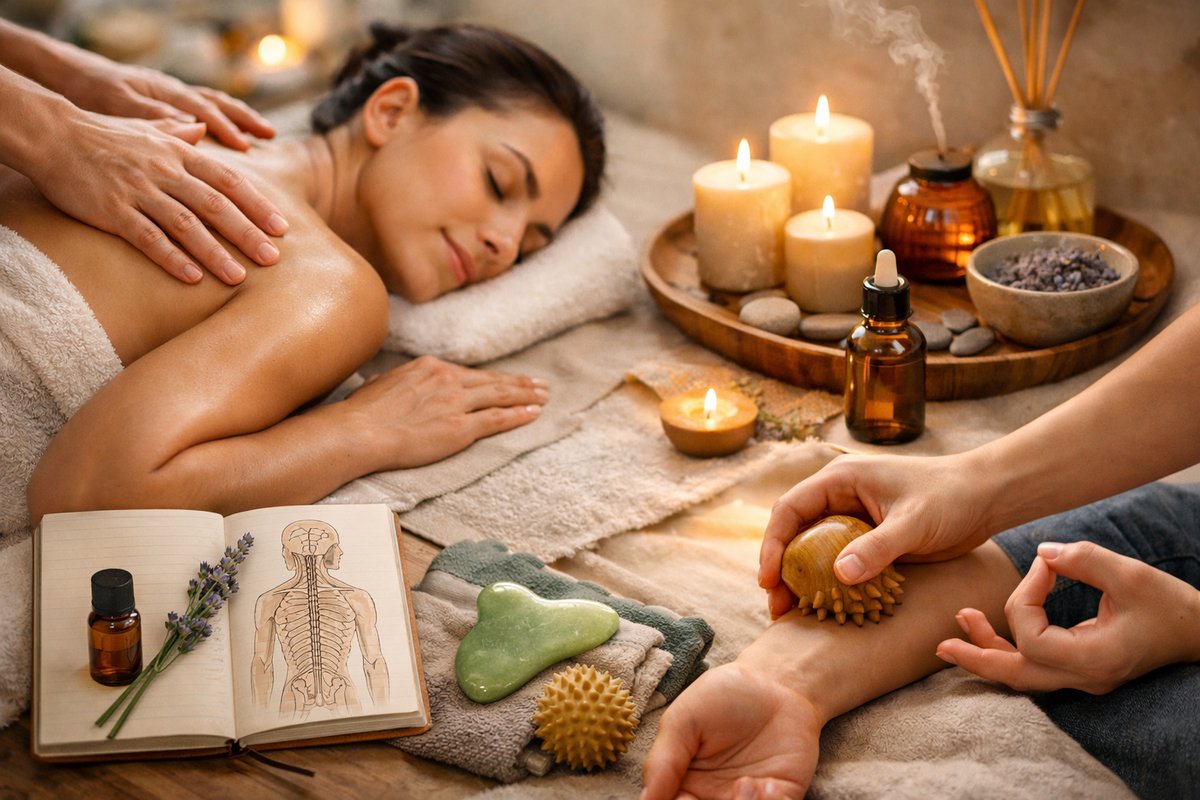

Every day brings its share of deadlines, digital distractions, and the slow buildup of muscle tension in shoulders, neck, or lower back. Over time, that physical tightness can feed mental stress, making it harder to relax, focus, or even sleep well. Massage therapy offers more than a moment of pampering-it taps into our body’s innate capacity to switch off the fight-or-flight response, inviting muscles to soften, the mind to rest, and the breath to deepen.
Why Stress Relief Matters in Daily Life
Stress isn’t just an abstract concept: it lives in our bodies as clenched jaw muscles, shallow breathing, or a pounding heart when we least expect it. Left unchecked, these physical changes prompt our brain to stay in high alert, flooding the body with cortisol and adrenaline. Over weeks or months, that hormonal cascade can contribute to headaches, digestive complaints, or low energy.
Cultivating stress relief isn’t an optional luxury-it’s a frontline defense for long-term well-being. By understanding how massage therapy works, you gain practical tools for interrupting that cycle and creating a pocket of calm even on a hectic day.
The Science Behind Touch and Stress
When trained hands apply sustained pressure, the nervous system responds in measurable ways:
• Parasympathetic activation: Massage stimulates nerve fibers under the skin that signal the brain to shift from “fight-or-flight” to “rest-and-digest.” This switch slows the heart rate, lowers blood pressure, and softens breathing patterns.
• Reduced muscle guarding: Fluids and small cellular debris can accumulate in overworked muscle fibers, causing stiffness. Mechanical pressure helps mobilize these substances, improving local circulation and allowing tissues to receive oxygen more efficiently.
• Neurochemical shifts: Studies show that even a single 15- to 30-minute session can boost levels of serotonin and dopamine-neurotransmitters linked to mood-while reducing cortisol, the primary stress hormone.
Together, these changes paint a clear picture: massage is not just a feel-good moment but an evidence-informed intervention that eases both body and mind.
Key Techniques for Stress-Relieving Massage
Below are three foundational methods used by professionals and safe for gentle home practice. Start slowly and adapt pressure to your comfort level.
Effleurage (Long, Gliding Strokes)
Begin with light, sweeping movements along large muscle groups-like the length of your back or outer thighs. Effleurage warms the tissue, encourages lymphatic drainage, and helps you tune in to areas that feel particularly tight.
Petrissage (Kneading and Rolling)
Use the pads of your fingers or the palm of your hand to lift and gently squeeze flesh in a rhythmic pattern. This technique targets deeper layers, releasing knots and improving pliability in muscles. Keep your own wrists relaxed as you work to avoid fatigue.
Friction (Small, Circular Pressure)
Ideal for chronic tension spots-such as the base of the skull, around shoulder blades, or the fleshy parts of the calf. Apply small, controlled circles with your fingertips, gradually increasing pressure as comfort allows. Friction encourages local blood flow and can help break up adhesions between muscle fibers.
DIY Tips for Home Massage
Even brief self-massage rituals can deliver real benefits. Here are practical ways to bring these techniques into your daily routine:
• Massage Tools: A foam roller under your upper back or a massage ball against the wall can mimic professional kneading. Spend two minutes rolling slowly, pausing on tender spots.
• Warm-up First: A heat pack or a warm shower before self-massage softens tissue, making techniques more effective.
• Mindful Breathing: As you work, inhale for three counts and exhale for four. This pattern encourages parasympathetic activation and helps you stay present.
• Nested Breaks: Schedule short micro-sessions-two or three minutes between meetings or before bedtime-to interrupt stress buildup.
• Hydration: Drink water before and after massage to help flush metabolic byproducts from tissues.
When to Seek Professional Support
Home massage is empowering, but there are times a licensed therapist can provide deeper relief:
• Persistent pain that interferes with sleep or daily tasks
• Postural imbalances from desk work or athletics
• Tension headaches triggered by tight neck muscles
• Recovery after mild strains or overuse injuries
A trained practitioner can customize pressure, assess alignment, and integrate advanced modalities-such as myofascial release or trigger-point therapy-while ensuring safety and comfort. Always inform your therapist about any medical conditions or medications to tailor the session appropriately.
Building a Sustainable Self-Care Habit
True transformation happens when stress relief becomes part of your lifestyle rather than a rare treat. Here’s how to weave massage into your daily rhythm:
• Set Intentions: Before you begin, decide what you want-a moment of calm, relief in a specific area, or simply to reconnect with your body.
• Create a Ritual: Light a candle, play soft instrumental music, or dim overhead lights. A consistent environment primes your mind to unwind.
• Track Progress: Keep a simple journal noting tension levels or mood before and after each micro-session. Over weeks, you’ll see patterns and improvements.
• Balance with Movement: Complement massage with gentle stretching, yoga, or walking to maintain flexibility.
• Celebrate Small Wins: Notice the difference in sleep quality or posture after a week of mini-breaks, and congratulate yourself for investing in self-care.
Massage therapy offers more than fleeting comfort-it cultivates a pathway to resilience, better sleep, and a calmer nervous system. By combining a basic understanding of its mechanisms with hands-on techniques, you can reclaim moments of ease throughout your day.
Trust the process: even two or three minutes of focused touch can nudge your body out of tension and into relaxation. Make stress relief a consistent ally, and watch as small shifts in your nervous system ripple into greater well-being, one mindful stroke at a time.