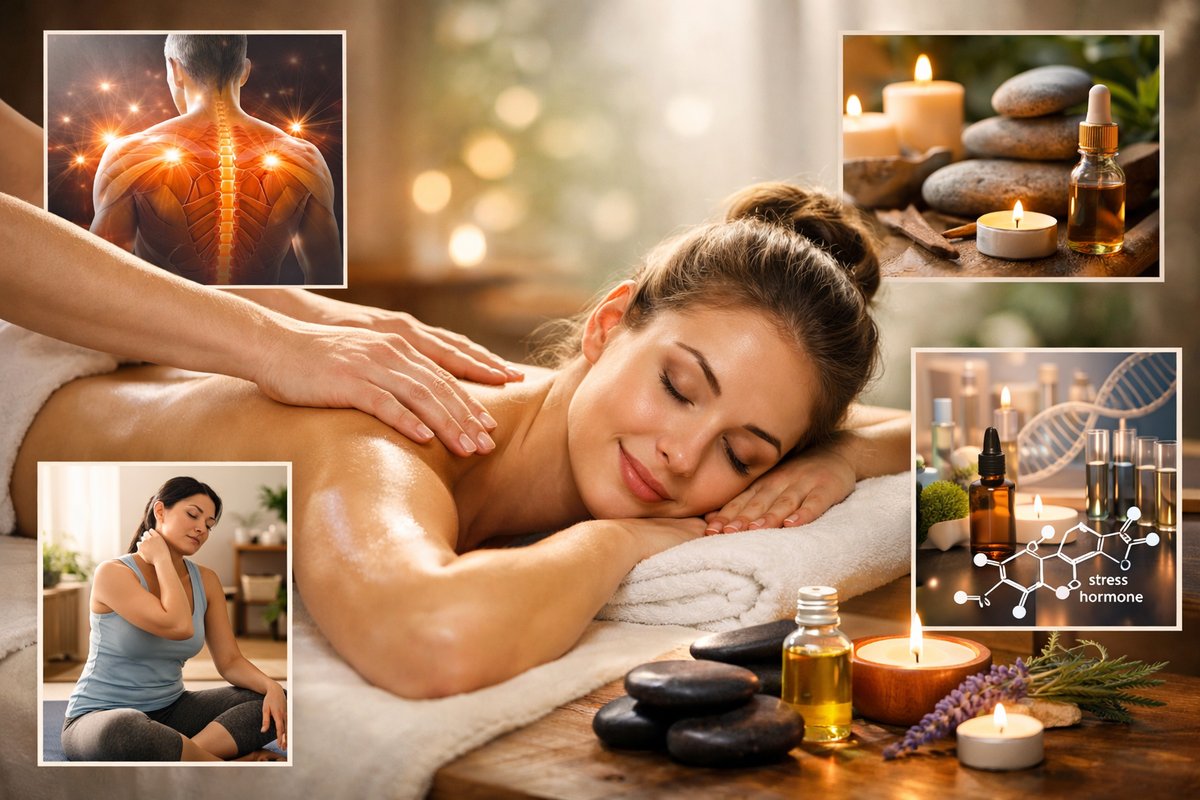

Every day brings its share of demands-deadlines, traffic jams, family responsibilities-and our bodies respond by tightening muscles and ramping up stress hormones. Over time, chronic stress can affect sleep, mood, digestion, and even immune function. Massage therapy offers a grounded, hands-on path toward physical and mental relief. By learning how therapeutic touch interacts with our nervous system, anyone can tap into a safe, accessible approach to unwind tension and invite calm.
Understanding Stress and the Body’s Response
When you perceive a threat-whether real or imagined-your sympathetic nervous system shifts into fight-or-flight mode. Heart rate and blood pressure climb, breathing becomes rapid, and muscles prepare to spring into action. Hormones like cortisol and adrenaline surge, fueling heightened alertness but also creating muscle stiffness and mental agitation. If that stress response never fully resets, you may notice persistent neck or shoulder aches, headaches, irritability, or difficulty sleeping.
Massage therapy helps interrupt this cycle. Light to moderate pressure, applied by a trained practitioner or through guided self-massage, sends signals to the brain that counterbalance the stress response. Over time, regular sessions can lower baseline levels of stress hormones and shift your nervous system toward parasympathetic dominance-sometimes called “rest and digest” mode.
How Massage Therapy Signals Relaxation
Skilled touch stimulates pressure receptors in the skin and underlying fascia. These receptors relay calming messages to the hypothalamus, the brain’s regulatory center for stress and mood. As those signals arrive, the body reduces production of cortisol, while boosting neurotransmitters like serotonin and dopamine-key players in feelings of well-being.
Massage also triggers nitric oxide release, which dilates blood vessels and improves circulation. With more oxygen and nutrients reaching tissues, muscle knots begin to soften. A slower heart rate and smoother breathing follow, creating a cascade of relaxation that can be felt from head to toe.
Evidence-Based Benefits: What Research Shows
Multiple studies confirm that even a single 30- to 60-minute session of Swedish massage can lower cortisol by up to 30% while raising serotonin and dopamine levels by roughly 30% each. Research on moderate-pressure massage shows reductions in blood pressure and heart rate immediately after treatment, with benefits lasting several hours to days.
Studies on anxiety disorders indicate that regular massage contributes to measurable improvements in mood scores and sleep quality. In workplace settings, employees who receive weekly chair massages report lower perceived stress and fewer musculoskeletal complaints. These findings highlight that massage is more than a luxury-it’s a supportive tool in comprehensive stress-management plans.
Practical Tips for Getting the Most from Massage
Before your appointment, arrive well hydrated to help flush released metabolic byproducts. Wear comfortable clothing and arrive a few minutes early so you can settle in. During the session, communicate openly about pressure preferences and any sensitive areas. A supportive environment-dim lighting, a warm room temperature, soft background music-enhances relaxation.
Afterward, sip water and rest for a few minutes to allow your nervous system to integrate changes. Light stretching can prolong the sense of release. If you feel slight soreness, that’s normal: it means muscle tissues are adjusting. A warm shower or reusable heating pad can soothe any lingering tight spots.
Simple Self-Massage Techniques for Daily Calm
You don’t need professional training or specialized equipment to tap into some of massage’s benefits. Try these gentle self-care steps:
- Neck and shoulders: Use your fingertips to apply circular motions along the base of the skull and the tops of shoulders. Adjust pressure to tolerance and breathe steadily.
- Hands and forearms: Clasp one hand and roll your thumb in small circles along the palm. Then cup the opposite forearm and squeeze gently as you slide from wrist to elbow.
- Feet and calves: Sit on a firm chair and roll a massage ball under the arch of your foot. For calves, prop your leg up and press a soft roller or foam roller along the muscles, pausing on tight spots.
Finish with a few slow, deep breaths, imagining the tension melting away with each exhale.
Integrating Massage into a Balanced Routine
Massage shines when combined with other self-care habits. Pair sessions with breathing practices, restorative yoga, or short meditation breaks to deepen the relaxation response. Keep a simple journal to track stress patterns and note how your body feels before and after massage-this feedback helps you tailor session frequency and intensity over time.
Building consistent sleep habits and staying active with gentle walks or stretching supports recovery between treatments. Over weeks and months, you’ll likely notice fewer muscle troubles and a greater sense of emotional resilience.
Embracing Mindful Self-Care
Inviting massage into your life isn’t about escaping stress-it’s about responding to it with compassion and savvy care. Whether you book a professional session, learn basic self-massage moves, or combine both approaches, you’re choosing to honor your body’s need for rest. Keep exploring what feels nurturing, and give yourself permission to unwind. In that space of calm, both body and mind find room to breathe, reset, and flourish.
-
Ultimate Aromatherapy Diffuser & Essential Oil Set - Amazon.com
Change the vibe of your oil diffuser with customizable lights and four built-in timer settings. No detail has been spared to make your aromatherapy experience a ... -
SenseFlow Space Fragrance Diffuser SF101 - Citrus Bloom Noir
Buy SenseFlow Space Fragrance Diffuser SF101 - Adjustable Natural Atomizer Essential Oil Kit with 120-Day Long-Lasting Aroma, LED Light, Ideal for Home, ... -
Organic Massage Oil Blend (1 Gallon) - Unscented, Nut Oil Free ...
USDA ORGANIC OILS – One of the only massage oils on the market certified organic under the USDA's NOP (national organic program). -
Hyperice Hypersphere Vibrating Therapy Ball - Walmart.com
Upgraded Deep Muscle Tissue Massager: Back & Neck Massager for Pain Relief, Self-Use Massager Stick, Full Body Trigger Point Tool for Back, Neck & Shoulder ...