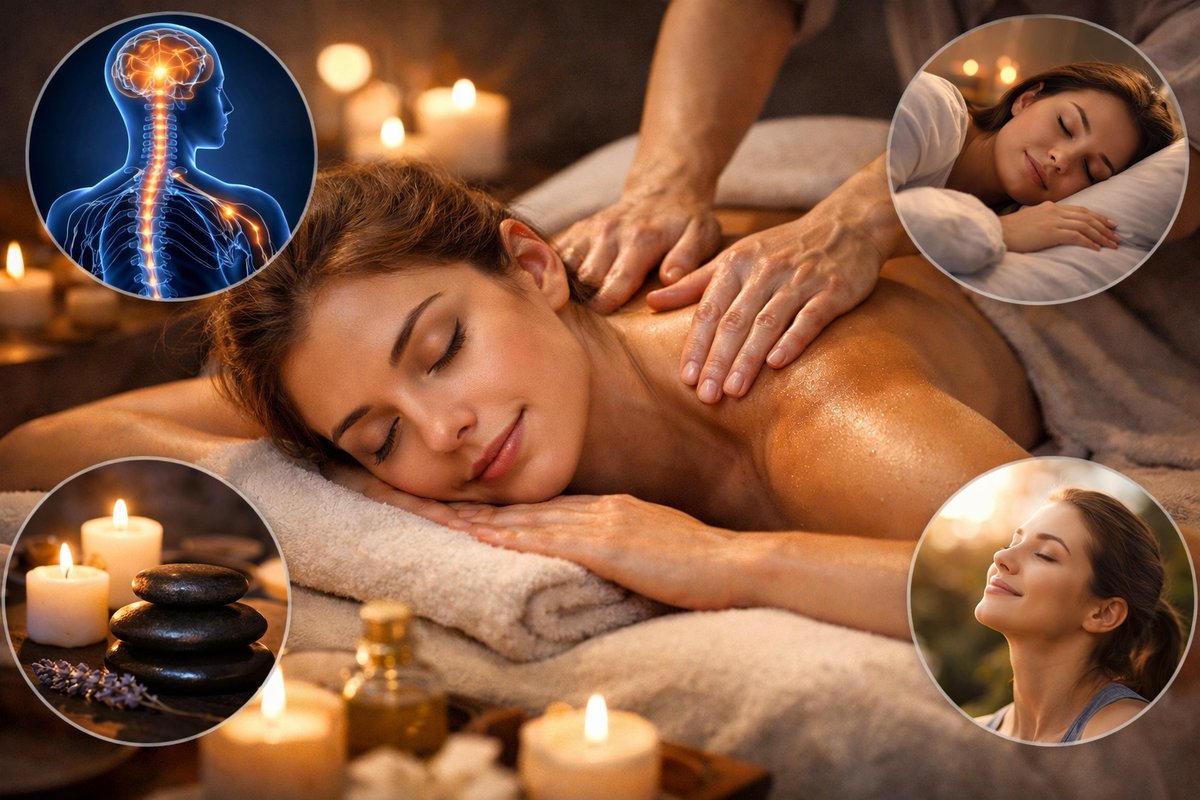

We all feel the weight of modern life-emails pinging, deadlines looming, traffic snarls. Over time, chronic stress can leave our bodies tense and our minds on edge. Massage therapy isn’t a luxury reserved for spa retreats; it’s a hands-on way to drift back toward equilibrium. When skilled touch meets evidence-informed practice, everyday stressors lose some of their grip, muscle tightness unwinds, and a clearer mind can emerge.
The Quiet Cost of Stress
Stress triggers a cascade of hormones-cortisol and adrenaline-that prime us for fight-or-flight. In small doses, this helps us tackle immediate challenges. But when the response lingers, we may notice persistent neck stiffness, headaches, tense shoulders, or restless nights. Blood pressure can creep up, digestion may slow, and the mind stays keyed up long after the threat has passed. Addressing stress at its root is vital for everyday wellbeing.
Understanding Massage as Stress Relief
When a trained therapist works with muscle fibers, several physiological shifts take place. Mild pressure stimulates mechanoreceptors in the skin and muscles, which in turn signal the nervous system to dial down cortisol and boost oxytocin-the so-called “bonding” hormone that promotes calm. Research published in respected medical journals has found that even a single session of moderate-pressure massage can lower heart rate and blood pressure and reduce perceived anxiety. Over time, the body becomes more responsive to moments of rest.
Techniques and What to Expect in a Session
Massage comes in many forms-Swedish, deep-tissue, trigger point, or a blend. Swedish massage uses long, gliding strokes and gentle kneading to promote circulation. Deep-tissue work applies firmer pressure to release chronic knots. Trigger point therapy zeroes in on tiny muscle fibers that hold tension. Your therapist will typically begin with lighter strokes to warm tissues, then adjust pressure based on your comfort level. Communication is key: letting your practitioner know when an area feels sensitive or too light ensures a tailored experience.
Simple Practices You Can Try Today
You don’t need a professional on hand every day to reap benefits. A foam roller can mimic gentle compression on large muscle groups-rolling slowly over calves, quads, or the upper back helps ease tight spots. A small massage ball pressed into the arch of the foot after a long day at a desk can restore circulation and calm the nervous system. Even short self-massage techniques-rubbing your own temples, gently tracing your shoulders with thumbs, or kneading the base of the skull-offer quick relief during hectic moments.
The Science Speaks
Multiple clinical trials have documented massage’s impact on stress markers. In one university-led study, participants who received regular 30-minute massages for five weeks showed significant reductions in cortisol compared with a control group engaging in quiet rest. Another study focusing on workplace wellness reported that brief chair massages twice a week translated to improved mood and fewer sick-day absences. These findings underline how a consistent practice-whether self-administered or with a therapist-builds resilience over time.
Tuning Into Your Body
Part of massage’s power lies in cultivating bodily awareness. As you notice where tension hides-perhaps a clenched jaw or tight hip flexors-you learn to release it earlier. Mindful breathing combined with slow strokes can anchor you in the present. Exhaling fully helps lymphatic fluid move more freely, which supports detoxification and reduces swelling. Over weeks, this gentle habit becomes a way to sense when stress begins to mount, letting you intervene before tension becomes chronic.
Cultivating Calm in Daily Life
In an ideal world, self-care would be as automatic as checking email. While that remains a goal, building simple rituals can anchor a calmer routine. Schedule short self-massage breaks between online meetings, or invest in a portable hand-held massager you can use in fifteen-minute intervals. Pair these moments with soft lighting, a favorite calming scent, or quiet music to signal to your nervous system that downtime is non-negotiable. Even a weekly professional session can serve as a reset point, reminding you how tension feels when it’s fully released.
Massage therapy isn’t a cure-all or a replacement for medical care. But when woven into a broader wellness plan-balanced nutrition, regular movement, and mindful rest-it can be a powerful ally against the chronic stress of daily life. By engaging both body and mind, you open the door to deeper relaxation, improved sleep, and a renewed sense of inner ease.
Ready to explore? Start small, stay curious about what your body needs, and let touch guide you toward everyday calm.