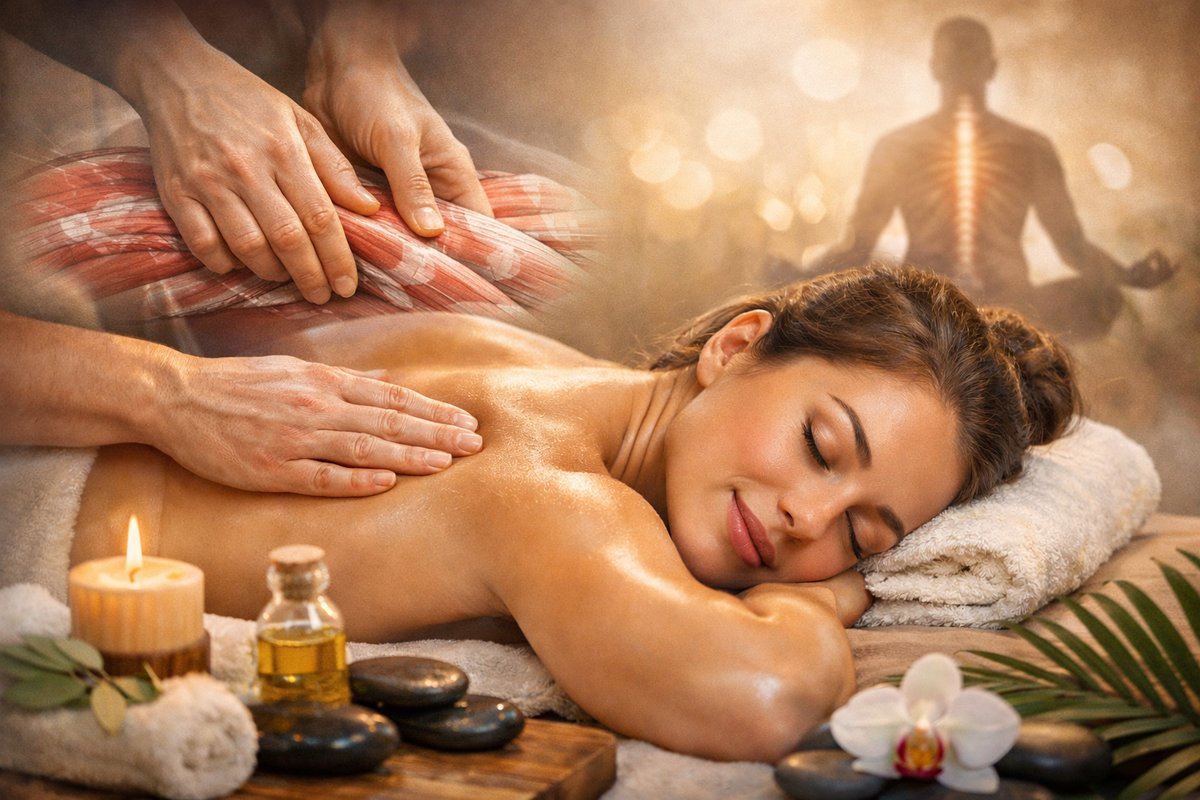

In our busy lives, muscle tension often builds quietly beneath the surface, contributing to feelings of stiffness, discomfort, and even stress. Whether it’s from long hours at a desk, repetitive movements, or emotional strain, tight muscles can affect posture, mood, and overall well-being. Massage therapy provides a hands-on approach to gently release this tension, helping the body return to a state of ease and balance.
Understanding how massage therapy influences muscle tension can empower you to make mindful choices about your self-care. This article offers clear, evidence-informed insights into the ways manual techniques work on muscle tissue, how they help reduce discomfort, and practical tips you can apply today to support your body’s natural relaxation processes.
What Causes Muscle Tension and Why It Matters
Muscle tension occurs when muscle fibers contract and do not fully relax. This can happen for many reasons, including physical overuse, poor posture, stress, or injury. When muscles remain tight for extended periods, they can reduce circulation, limit range of motion, and cause discomfort or pain.
Physiologically, tension in muscles is often linked to the nervous system’s response to stress or strain. The body activates muscle contractions as a protective mechanism, but when this response is prolonged, it can create a cycle of discomfort and further tension. Over time, these tight areas-sometimes called trigger points-can become sensitive and affect surrounding tissues.
How Massage Therapy Works to Release Muscle Tension
Massage therapists use specific manual techniques to apply pressure, stretch, and knead muscles, which helps interrupt the cycle of tension. This physical manipulation promotes increased blood flow to the area, bringing oxygen and nutrients that aid tissue health and repair.
One key effect of massage is the stimulation of mechanoreceptors-sensory receptors in the skin and muscles that respond to touch and pressure. Activating these receptors can send calming signals to the nervous system, encouraging muscle relaxation and reducing the perception of pain.
Additionally, massage can help break down adhesions-small areas where muscle fibers stick together due to overuse or injury. By loosening these adhesions, massage improves flexibility and reduces stiffness.
Evidence-Based Benefits for Everyday Well-Being
Scientific studies support the role of massage therapy in reducing muscle tension and improving comfort. Research shows that regular massage can decrease muscle soreness, improve joint mobility, and lower stress hormone levels. For example, a review of clinical trials found that massage effectively reduces delayed onset muscle soreness after exercise, which is often accompanied by muscle tightness.
Beyond physical effects, massage also positively influences mental well-being. The calming touch and focused attention during a session can reduce anxiety and promote a sense of relaxation, which indirectly helps muscles let go of tension.
Safe and Practical Ways to Incorporate Massage Benefits at Home
While professional massage therapy offers targeted relief, you can also apply simple techniques safely at home to support muscle relaxation:
- Self-massage with hands or tools: Using your fingers or a foam roller, gently knead tight areas like the neck, shoulders, or calves. Avoid applying excessive pressure to prevent bruising or discomfort.
- Warm compresses: Applying heat before massage helps increase blood flow and prepares muscles for relaxation.
- Stretching: Combining massage with gentle stretching can enhance flexibility and reduce stiffness.
- Mindful breathing: Deep, slow breaths during self-massage or stretching help calm the nervous system, supporting muscle release.
Remember to listen to your body and avoid techniques that cause sharp pain. If muscle tension persists or worsens, consulting a qualified massage therapist or healthcare professional is advisable.
Creating a Routine of Mindful Body Awareness
Regularly tuning into your body’s signals can help you catch muscle tension early and address it before discomfort grows. Incorporating massage therapy-whether professional sessions or self-care practices-into your routine encourages a mindful approach to physical health.
By nurturing muscle relaxation, you support better posture, reduce stress, and enhance your overall sense of comfort. This gentle, grounded care invites a more balanced experience of everyday life.
Taking moments to pause, breathe, and connect with your body through massage is a simple yet powerful way to foster well-being. Embracing these practices with patience and kindness can transform muscle tension from a persistent nuisance into an opportunity for mindful self-care.
-
Athletic Works Rechargeable 3-Speed Vibrating Foam Roller Full ...
The Athletic Works vibrating foam roller is a 18-inch full body recovery tool with 3D textures, three vibration levels, rechargeable battery, ... -
Posture Magic Massage Ball Set for Myofascial Trigger Point ...
TONS OF BENEFITS - Exercises using the Posture Magic Massage Ball Set can help you to increase blood flow and tissue hydration, relieve knots & tightness, ... -
Bob and Brad Cork Massage Balls, Physical Massage Therapy ...
Offers comprehensive relief from muscle pain, soreness, and persistent knots. Targeted Therapy. Targeted Therapy. Acupressure relief for shoulders, neck, back, ... -
Happy Helpers Grumpy Bear, Microwaveable Heating Pad For ...
Microwaveable heating pad with cord-free, plug-free operation for easy use. Cozy Soft Touch. Cozy Soft Touch. Made from soft and cozy plush material.