
Introduction
Massage therapy has long been valued for its power to soothe both mind and body. Whether you’re wrapping up a busy workday, recovering from a tough workout, or simply seeking deeper rest at night, a focused touch can make a real difference. In this article, you’ll learn why massage matters for everyday wellbeing, how it works on stress and muscle tension, and simple, safe ideas you can apply today for lasting comfort.
How Massage Therapy Reduces Stress
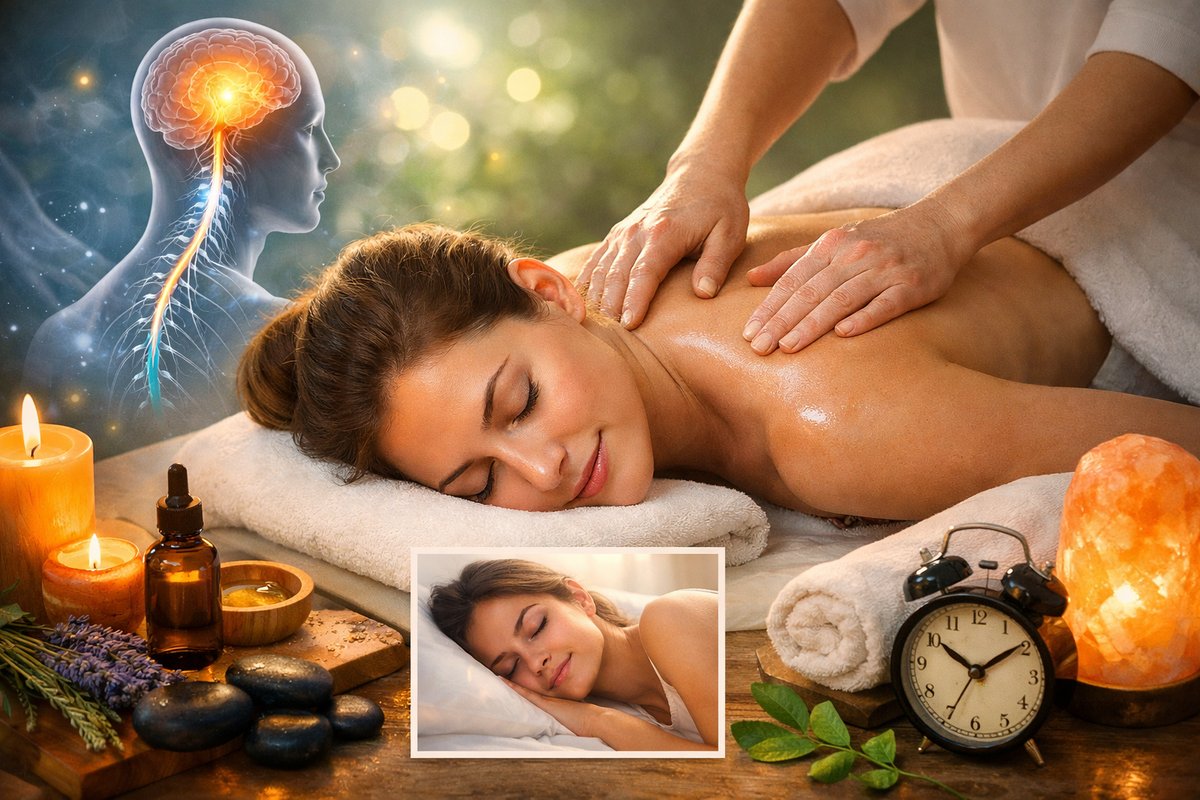
When you lie down for a massage, your body doesn’t just drift into a relaxed state by chance. Research shows that gentle, rhythmic strokes activate the parasympathetic nervous system-the branch responsible for “rest and digest.” Cortisol, the hormone linked to stress, often decreases after a 30- to 60-minute session. Meanwhile, levels of feel-good chemicals such as serotonin and dopamine rise, helping you feel calmer and more balanced.
A simple example: effleurage, the long, gliding strokes used at the start and end of many styles of massage, promote circulation and set a soothing rhythm. As blood flow improves, tissues receive more oxygen and nutrients, supporting natural repair. Even a short, five-minute hand or scalp massage can trigger these responses. That means you don’t need an hour in a spa to experience measurable stress relief.
Why Muscle Tension Responds to Manual Therapy
Tense muscles often come from repetitive postures, overuse, or holding stress in the shoulders, neck, or lower back. Manual techniques such as kneading, compression, and trigger-point release work directly on the fibrous tissue and fascia that can bind up under pressure. By applying sustained, moderate pressure to a tight spot, a therapist can help reset the muscle’s resting length and break up small adhesions.
Studies on sports massage show it can reduce delayed-onset muscle soreness (DOMS) after exercise, speeding recovery. Even for non-athletes, targeted work on common tension areas-such as the upper trapezius, lumbar erector spinae, and calf muscles-can improve range of motion and reduce discomfort. Paying attention to breathing while pressure is applied lets the nervous system know it’s safe to let go.
Better Sleep and Deep Rest
Beyond immediate relaxation, massage therapy can improve sleep quality over time. A series of weekly or biweekly sessions helps regulate the sleep-wake cycle by reducing nighttime awakenings. The same reduction in cortisol and rise in serotonin encourages your brain to produce more melatonin, the key hormone that guides you into deep, restorative phases of sleep.
One small clinical trial found that participants who received full-body massage twice a week for three weeks reported significantly better sleep efficiency and felt more refreshed upon waking. If insomnia or frequent tossing and turning keeps you from waking up fully recharged, adding massage to your self-care routine could be one part of a broader strategy to reclaim your nights.
Safe Insights You Can Apply Today
You don’t need a professional on call to enjoy many of massage’s benefits. Here are a few accessible techniques:
• Self-massage with a foam roller: Glide slowly over tight quads, calves, or the outer thigh. Pause on tender spots for 20-30 seconds to encourage release.
• Handheld percussion massager: Short bursts of vibration can help melt away tension in the shoulders and neck. Keep intensity moderate and avoid bony areas.
• Warm towels or heat pack: Apply to the lower back or hips before foam rolling or self-kneading to make tissues more pliable.
• Simple foot rub: Sit comfortably, cross one ankle over the opposite knee, and use thumbs to trace circles along the arch and heel. Add a few drops of unscented massage oil if desired.
• Breath-focused relaxation: Inhale for four counts, exhale for six. Combine with gentle stretching of the arms overhead and to the sides.
These practices can be done at home in fifteen minutes or less. Always listen to your body-aim for a comfortable intensity, not a painful one. If soreness persists beyond 24 hours, scale back and give your tissues more time to adapt.
When to Seek Professional Support
While self-care tools are valuable, nothing replaces the skilled hands of a licensed massage therapist for deeper, lasting change. If you experience chronic pain, sharp or radiating sensations, or suspect an underlying medical condition, consult a healthcare professional before diving into new techniques. A trained therapist can craft a session focusing on your specific needs, from sports recovery to prenatal comfort, while monitoring any precautions.
Practitioners often draw on multiple modalities-Swedish, deep tissue, myofascial release, and trigger-point therapy-to create a personalized plan. Consistent sessions over several weeks yield the most reliable shifts, as your body gradually learns to hold less tension in daily movements.
Embracing Mindful Self-Care
Massage therapy isn’t a luxury reserved for special occasions. It can be a core part of a balanced, healthful lifestyle-one that values rest, circulation, and touch as essential elements of wellbeing. By combining hands-on work, self-applied techniques, and breathing exercises, you build a toolkit for stress relief, muscle maintenance, and better sleep.
Give yourself permission to carve out a few minutes each day for gentle massage or mindful breathing. Over time, you’ll notice tension melting away more easily, nights feeling deeper, and a calmer mindset in the face of daily challenges. Your body and mind are connected. Listening with caring attention to both can lead you toward greater comfort, resilience, and ease.
-
Continental Sleep, 2" High Density CertiPUR-US Foam Mattress ...
Versatile Use: Available in various sizes, including Queen, to fit different mattress dimensions and preferences. View all item details. Generated by AI ... -
11-Piece Foam Paint Roller Kit, 4-Inch Roller with Ergonomic ... - eBay
Special Features Magnetic paint tray holder, high-density foam roller covers, easy paint recycling design. Style Magnetic Paint Tray with Non-Slip Base and ... -
Smooth Roller Refill | High Density Foam Roller | Belles and Whistles
This Paint Rollers item by RedBarnBoutiqueLR has 3 favorites from Etsy shoppers. Ships from Hanover, PA. Listed on Jun 15, 2026. -
High-Density Foam Yoga Block 9"x6"x3" – Non‑Slip Surface with ...
You'll love the MD Nook Store High-Density Foam Yoga Block 9"x6"x3" – Non‑Slip Surface with Beveled Edges for Yoga, Pilates & Stretching at Wayfair - Great ... -
EOS Shea Better Body Lotion Vanilla Cashmere 16 fl oz ... - Walmart
This lotion not only smells amazing but feels great and leaves my skin moisturized. I generally don't like using lotion that find myself enjoying putting this ...