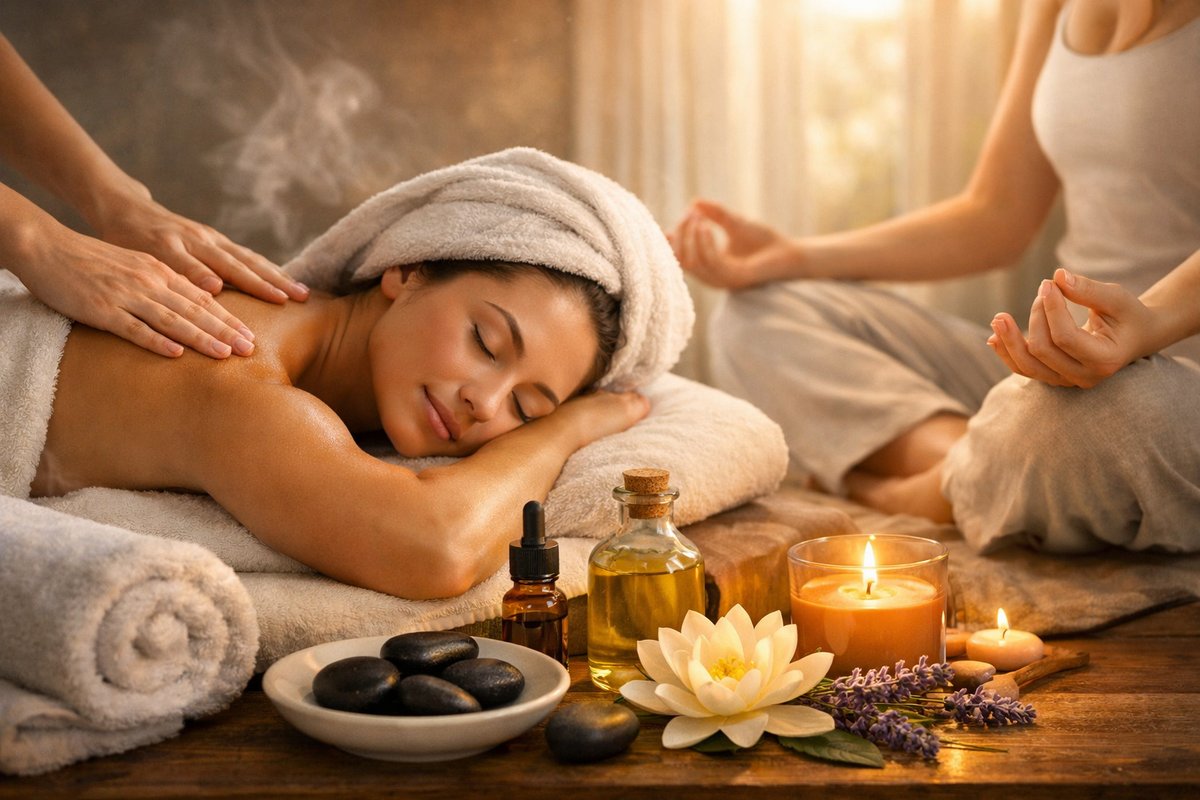

A Touch of Calm: Why Massage Matters
Stress can show up as a racing mind, tight shoulders, or restless sleep. Massage therapy offers a warm, grounded way to interrupt that cycle and invite the body back to a state of ease. Whether you spend long hours at a desk or juggle family demands, a few minutes of focused touch can lower cortisol levels, ease muscle tension, and encourage deeper breathing. In this guide, you’ll learn how massage works, what happens in your tissues and nervous system, and practical tips to weave simple self-massage techniques into your day.
The Science of Soothing Touch
When pressure is applied to skin and underlying muscles, receptors called mechanoreceptors send calming signals to the brain. Studies have shown that massage can:
- Reduce stress hormones. Research indicates massage sessions lower cortisol, helping you feel more relaxed.
- Boost “feel-good” neurochemicals. Touch increases endorphin and serotonin levels, elevating mood without medication.
- Improve circulation. Gentle kneading supports blood flow, delivering oxygen and nutrients to tired tissues.
- Release muscle knots. Targeted pressure helps break up adhesions and encourages muscles to reset to their natural length.
These effects combine to create a state of deep relaxation, helping you fall asleep faster, wake up more refreshed, and bounce back from daily demands with a steadier mindset.
Techniques You Can Try Today
You don’t need professional training or a full massage table to tap into these benefits. Here are three simple self-massage approaches:
- Neck and Shoulders: Place your right hand on the left side of your neck. Use your fingers to make small, circular motions, moving up from the base of the skull to the top of the shoulder blade. Switch sides after one minute.
- Forearms and Wrists: Rest your elbow on a table. Gently squeeze and roll the muscles of your forearm with your opposite hand, sliding from wrist to elbow. This can relieve tension from typing or smartphone use.
- Feet and Calves: Sit comfortably and cross one ankle over the opposite knee. Use your thumbs to press along the arch of your foot, then work up the calf with long, gliding strokes.
For a deeper release, incorporate small tools like massage balls or a foam roller. Roll each muscle group gently for 30-60 seconds, pausing on tender spots until you feel a softening. Always stay within a comfortable pressure range to avoid bruising.
Creating a Serene Environment
The setting can enhance your ability to relax. Aim for a calm corner of your home where you feel secure and undisturbed. Consider these sensory touches:
- Soft lighting from a small lamp or candles
- Mild background music or nature sounds
- A gentle scent, such as lavender or chamomile, delivered by an essential oil diffuser
- A warm towel draped around the shoulders
Mindfully tuning into breath-slowing each inhale and exhale-will amplify the relaxation response. Even five slow, deep breaths before you begin can shift the nervous system from fight-or-flight to rest-and-digest.
Staying Safe and Comfortable
Massage is generally safe, but a few guidelines will help you avoid discomfort or injury:
- Consult a professional for chronic pain or medical conditions.
- Keep pressure moderate-if it feels sharp or creates bruises, ease up.
- Hydrate before and after self-massage to help flush metabolic byproducts.
- Pause if you feel lightheaded, dizzy, or overly sore.
Remember that consistency matters more than duration. Even brief daily sessions can produce meaningful shifts in stress levels and muscle tension.
Embracing Mindful Self-Care
Massage is more than a luxury-it’s an accessible way to tune in, relieve built-up pressure, and nurture yourself with compassionate touch. By carving out a few moments each day, you’ll reward your body with lowered stress hormones, increased circulation, and a sense of calm that reverberates beyond the session. Whether you choose to self-massage, enlist a friend, or book a professional session, remember that each gentle stroke is an invitation to reconnect with your body’s natural wisdom.
Start small, be patient, and build a practice that honors your pace. In time, you’ll notice tighter muscles loosening, sleep deepening, and daily stresses slipping away under the power of your own caring hands.