
A growing number of people turn to massage therapy not only for indulgence but for tangible health benefits that support everyday wellbeing. Chronic stress and persistent muscle tension can disrupt sleep, impair mood, and reduce comfort in ordinary movements. Massage addresses these issues by encouraging the body’s natural relaxation response, promoting blood flow, and easing tight connective tissues. In this article, we explore how massage reduces stress, why muscle fibers respond to touch, and how you can apply safe, evidence-informed practices at home.
Understanding the Stress-Reduction Response
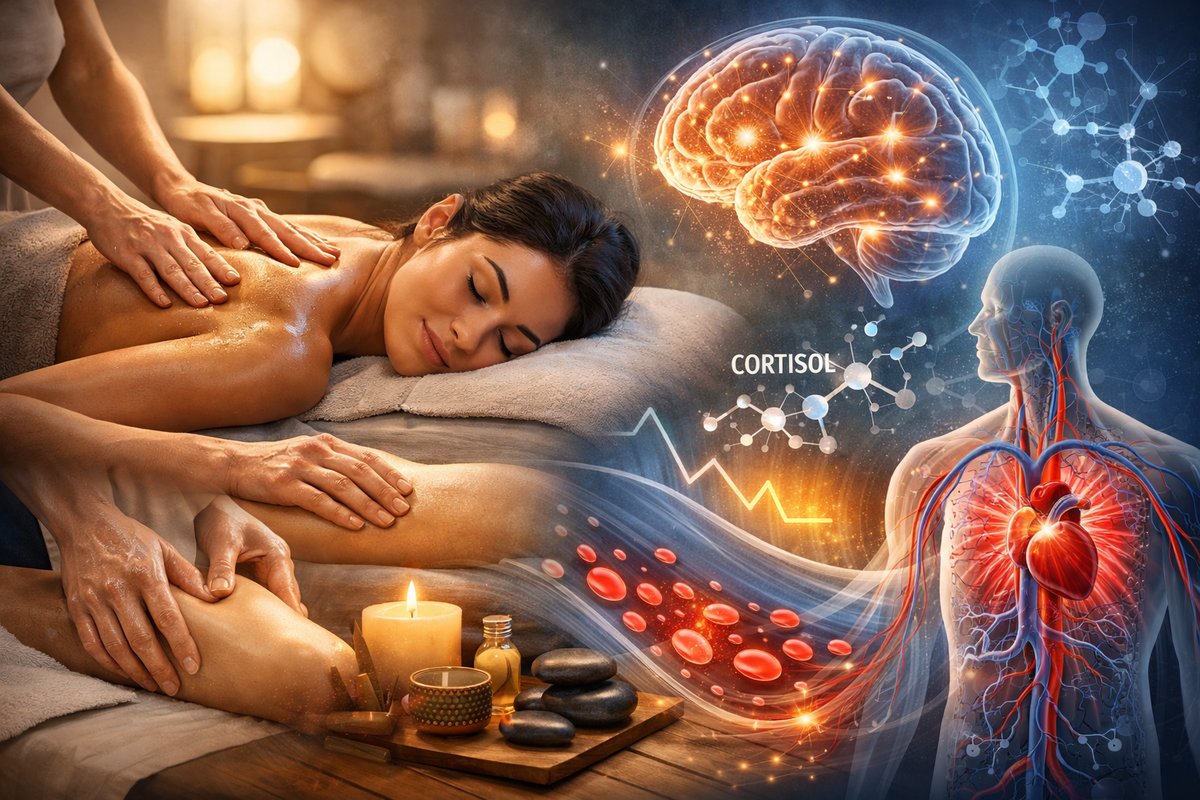
When you lie down on a massage table or sink into a chair for a brief self-massage, your body activates the parasympathetic nervous system-often called the “rest and digest” mode. Several clinical studies have shown that moderate pressure applied to muscle groups lowers levels of cortisol, the primary stress hormone. At the same time, the same touch stimulates the release of endorphins and serotonin, neurotransmitters that elevate mood and create a sense of calm. These chemical shifts in the body can be measured within minutes of a massage session, and repeated treatments lead to more sustained improvements in overall stress levels.
Beyond hormonal changes, massage also encourages slow, deep breathing, which further calms the mind. When a therapist’s hands apply rhythmic strokes along the back or shoulders, the body naturally follows with longer exhalations. This breathing pattern helps shift the balance away from fight-or-flight and towards a more relaxed state.
Why Muscles Soften Under Manual Pressure
Anyone who’s felt knots or tight bands in their shoulders knows how resistant these areas can feel. Muscle tension often results from repetitive posture, desk work, or emotional stress held in the body. Massage therapists use techniques such as effleurage (long gliding strokes), petrissage (kneading), and trigger-point release to warm superficial tissues and mobilize deeper fibers.
Applying sustained pressure to a tight spot causes sensory receptors in the muscle to adapt and reduce the contraction signal. This process, sometimes called autogenic inhibition, helps the tissue let go of abnormal tension. It also improves blood supply to the area, delivering fresh oxygen and nutrients while removing metabolic byproducts that can fuel discomfort.
When muscle fibers are pliable again, joints gain range of motion and daily tasks like lifting groceries or turning a steering wheel become less taxing. Even a simple self-massage with a handheld roller or a firm ball can replicate this effect on smaller muscle groups.
Practical Techniques You Can Use Today
1. Self-Massage with a Foam Roller: Lie on your back with a foam roller positioned under your shoulder blades. Bend your knees and gently roll up and down, focusing on areas that feel tight. Keep your movements slow and controlled, spending 20-30 seconds on each spot.
2. Hand-Held Myofascial Release: Use a firm massage ball against a wall or floor to target the glutes and hips. Lean into the ball and hold pressure for 15-20 seconds, breathing deeply as the muscle softens.
3. Warm-Up Stretches: Before self-massage, warm up your muscles with light dynamic movements-arm circles, gentle twists, or short walks. Warm tissue responds better to pressure.
4. Breathing-Focused Relaxation: After each session, lie flat and place one hand on your chest and the other on your abdomen. Inhale deeply through the nose, feeling the belly rise, then exhale slowly through the mouth. Repeat for 5-7 breaths to lock in the relaxation response.
5. Home Massage Tools: Incorporate tools like a five-point roller stick for forearms or a hand massager for the feet. Use them for 5-10 minutes at the end of the day to unwind.
What the Evidence Says
A 2019 review in the Journal of Clinical Medicine found that regular massage sessions reduced anxiety scores by an average of 30% and cortisol levels by 25%. Another study published in the American Journal of Physical Medicine & Rehabilitation reported that patients with chronic neck pain experienced a 40% decrease in muscle stiffness after six weeks of twice-weekly massage treatments.
Sports science also supports the practice: athletes who received post-workout massage showed faster clearance of blood lactate, the compound that contributes to muscle soreness. This accelerated recovery can translate to improved performance in subsequent training sessions.
While more research is always welcome, these findings highlight how touch therapy complements exercise, stress management, and good sleep hygiene.
Safety and Comfort Considerations
Massage is generally safe for most people, but it’s important to observe some guidelines:
• Avoid deep tissue work directly over inflamed or injured areas without professional advice.
• Communicate any discomfort immediately-pressure should feel firm but not painful.
• Stay hydrated before and after a session to aid circulation and toxin removal.
• Pregnant individuals should seek therapists certified in prenatal massage and avoid lying flat on the back after the first trimester.
If you have chronic conditions or recent surgery, get clearance from a healthcare provider before beginning a new self-care routine.
A Sensory Approach to Relaxation
Massage isn’t just about mechanics; it’s an invitation to slow down and reconnect with bodily sensations. Soft lighting, gentle music, and a calm environment all contribute to the overall effect. Take time before and after a session to notice the change in muscle tone and breath. Allow yourself to experience the warmth of a heated pad or the subtle aroma of unscented oil warmed in your palms.
By bringing awareness to how your body feels under touch, you cultivate a mindful habit that extends the benefits beyond the immediate release of tension.
The Next Step Toward Mindful Self-Care
Whether you book regular visits with a licensed therapist or explore self-massage at home, adding manual therapy into your weekly routine can transform how you handle stress and physical discomfort. Over time, these small moments of care build resilience, improved posture, and a deeper sense of calm.
Start with just five minutes of focused self-touch today. Notice the difference in your mood, in how the shoulders settle, and in the clarity of your breath. Over weeks, you’ll see how consistent attention to the body becomes a powerful form of self-compassion.
Encourage yourself to prioritize these restful moments. After all, a relaxed body paves the way for a clear mind, better sleep, and the simple pleasure of moving without constraint.
-
The Doc N Roll is the World's First Standing Foam Roller! A ... - Etsy
The Doc N Roll is the world's first standing foam roller! A revolutionary, self deep-tissue massage break through! DocNRoll. Arrives soon! Get it by. -
3 in 1 Foam Roller Set Trigger Point Foam Roller, Massage Roller ...
You'll love the COFVIAL 3 in 1 Foam Roller Set Trigger Point Foam Roller, Massage Roller Stick, Massage Ball for Deep Muscle Massage Pilates Yoga, ... -
Hyperice Hypersphere Vibrating Therapy Ball - Walmart.com
Upgraded Deep Muscle Tissue Massager: Back & Neck Massager for Pain Relief, Self-Use Massager Stick, Full Body Trigger Point Tool for Back, Neck & Shoulder ...