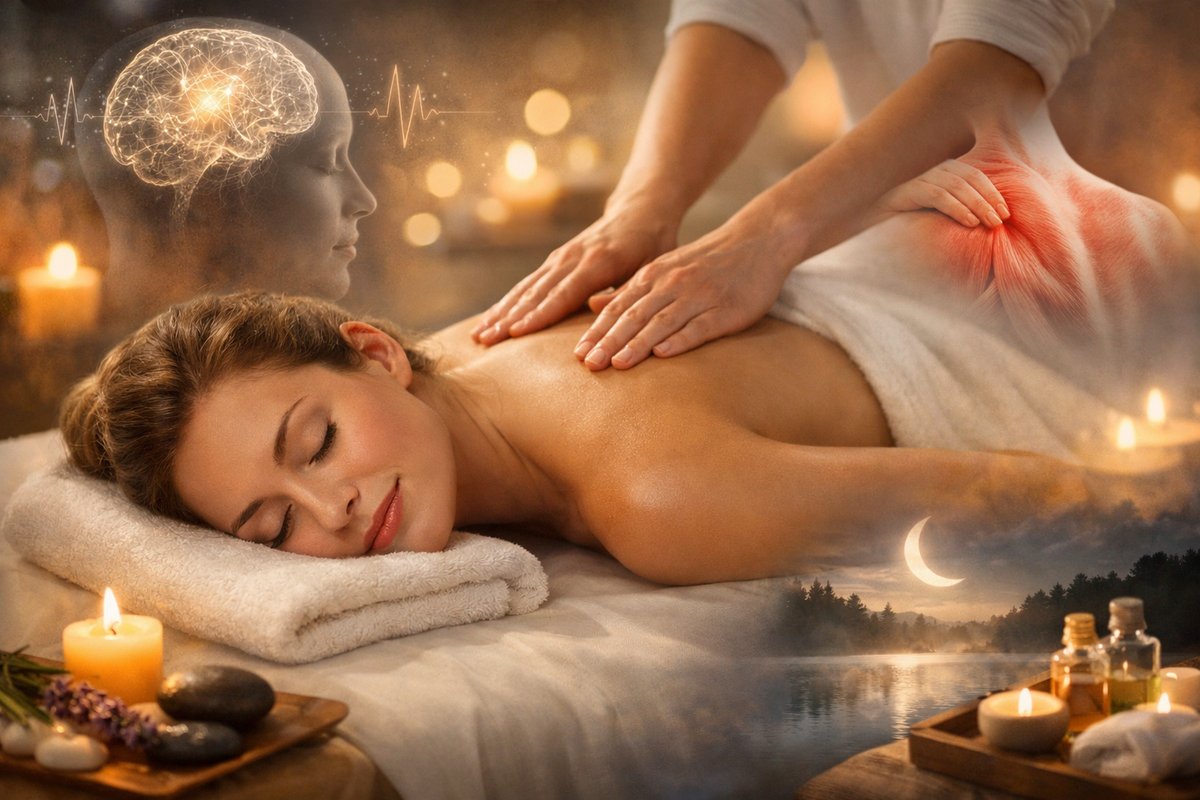

A gentle gateway to everyday well-being
Stress is part of modern life, but left unchecked it can affect our sleep, mood, and physical comfort. Massage therapy invites us to pause, breathe, and reconnect with our body’s natural ability to unwind. By applying specific touch techniques, therapists help calm the nervous system, release held tension, and restore a sense of balance that carries into your day.
The science of stress and touch
When we perceive a threat-whether a looming deadline or chronic workload-the sympathetic nervous system shifts into “fight-or-flight,” flooding the body with cortisol and adrenaline. Over time, these stress hormones can leave muscles tight, sleep disturbed, and immune function reduced. Research published in peer-reviewed journals shows that massage stimulates pressure receptors in the skin, triggering the parasympathetic (“rest-and-digest”) branch of the nervous system.
By lowering cortisol levels and boosting production of neurotransmitters like serotonin and dopamine, regular massage sessions promote relaxation, ease anxiety, and even enhance resilience to future stressors. Imaging studies have revealed changes in areas of the brain linked to emotional regulation after hands-on therapy, underscoring massage’s direct impact on both mind and body.
How massage modulates muscle tension
Muscles hold more than just physical posture; they also store the echoes of tension. A skilled massage therapist uses techniques such as effleurage (long, gliding strokes), petrissage (kneading), and gentle friction to warm tissue, increase local circulation, and encourage muscle fibers to soften. As blood flow improves, metabolic waste products that build up under chronic tension are flushed away, while fresh oxygen-rich blood nourishes deep tissue.
The sensory input of touch also helps “reset” muscle spindles-sensory receptors that monitor stretch in the muscle. By reducing spindle activity through sustained pressure, therapists facilitate a reflexive relaxation response. Over time, this can translate into smoother, more natural movement patterns and less habitual gripping in the neck, shoulders, and back.
Techniques you can experience today
1. Progressive muscle relaxation: Starting at your toes, tense each muscle group for five seconds, then release with a long exhalation. Move slowly up through calves, thighs, abdomen, shoulders, and face. This self-directed method mimics key elements of professional massage by drawing awareness to areas of tightness before letting them go.
2. Targeted self-massagers: Using a small silicone massage ball or a handheld roller, gently press into spots where tension feels concentrated. Apply steady, comfortable pressure for 30-60 seconds, breathing deeply to encourage release.
3. Warm compresses: Before and after manual pressure, place a warm towel or heating pad on tense areas. Heat relaxes connective tissue and heightens the effectiveness of subsequent strokes or stretches.
4. Mindful breathing: Pair light kneading on your shoulders or forearms with a 4-7-8 breathing pattern. Inhale for four counts, hold for seven, then exhale fully for eight. This breath rhythm enhances parasympathetic activation alongside the tactile calming of massage.
Bringing professional touch into daily rituals
While in-office massage sessions provide deep relief, you can build stress resilience between appointments. Integrate short self-massage breaks into your workday-five minutes at your desk rolling a small ball under the arch of each foot can help shift tension out of your lower back. Keep a bottle of unscented or lightly fragranced massage oil on your nightstand; a few drops rubbed into your temples and jawline before sleep can ease facial tension caused by clenching or grinding.
For those who sit for long periods, a foam roller or textured massage stick across glutes and hamstrings can dissolve tightness and improve posture. Pair these movements with gentle stretches, such as a seated spinal twist or chest opener against a wall, to encourage fluid mobility.
What to expect and safety tips
A typical full-body relaxation massage lasts 60 minutes, though even a 30-minute session can produce a measurable drop in stress hormones. Speak openly with your therapist about areas of heightened sensitivity or discomfort; they can adjust pressure and technique accordingly. If you have a health condition such as high blood pressure, joint inflammation, or a recent injury, let your therapist know so they can tailor the session to your needs.
Mild soreness or a sense of heavy relaxation can follow your appointment-this is normal. Staying well-hydrated, resting for a few hours, and applying heat or cold packs as needed will help muscles recalibrate smoothly.
Nurturing mindful self-care
Stress relief isn’t a one-time fix but an ongoing practice. Massage therapy offers a powerful catalyst for change, helping you listen more closely to your body’s messages and respond with kindness. By weaving together professional sessions, short self-massage rituals, and mindful breathing, you create a toolkit for resilience that you can access whenever life’s demands feel overwhelming.
Celebrate each moment of release as a step toward a calmer nervous system and more restful nights. Over time, this gentle commitment to self-care can ripple into every corner of your life, fostering a deeper sense of balance and well-being.
-
Amazon.com: Silicone Massage Ball for Myofascial Release
Buy Silicone Massage Ball for Myofascial Release - Handheld Portable Electric Vibrating Massager, Joint Trigger Point Therapy, Jaw Muscle Knots and Yoga ... -
Ultimate Aromatherapy Diffuser & Essential Oil Set - Amazon.com
Change the vibe of your oil diffuser with customizable lights and four built-in timer settings. No detail has been spared to make your aromatherapy experience a ... -
Drydiet 2 Pcs Self Warming Cat Mat Round Self Heating Pad Bed ...
Amazon.com : Drydiet 2 Pcs Self Warming Cat Mat Round Self Heating Pad Bed Reversible Machine Washable Heated Bed Anti Slip Warming Pad Pet Mat for Cat ... -
SNAKUGA Travel Yoga Mat, Non Slip Exercise Suede Mat with ...
Amazon.com : SNAKUGA Foldable Yoga Mat Natural Rubber Mat with Carry Bag, Non-Slip Suede Surface for Travel & Pilates (72"x24"x1.5mm) : Sports & Outdoors.