
Why Easing Stress Matters for Everyday Well-Being
In our fast-paced lives, stress often hides in plain sight-in tight shoulders while checking email, shallow breaths during traffic, or restless nights after a long day. Left unchecked, these subtle signals can build up, contributing to headaches, irritability, and disturbed sleep. Massage therapy offers a grounded, hands-on way to interrupt the stress cycle. By inviting gentle pressure, warmth, and mindful touch, this practice resets your nervous system and rekindles a sense of calm. Whether you visit a licensed therapist or try simple self-massage techniques at home, understanding how manual work influences the mind and muscle can empower you to feel more centered each day.
Understanding Stress and the Body’s Response
At its core, stress triggers the release of hormones like cortisol and adrenaline. In small doses, this “fight-or-flight” cascade helps us react swiftly to challenges. But modern life rarely allows for full recovery. Prolonged stress keeps the body locked in a hyper-alert state, raising heart rate, tightening muscles, and undermining digestion and sleep quality.
Massage therapy targets this imbalance in two key ways:
• Stimulating the parasympathetic nervous system-the branch responsible for rest and digest-through sustained, rhythmic touch.
• Modulating stress hormone levels by promoting increased circulation and lymphatic flow, which helps flush metabolic waste and restore a balanced internal environment.
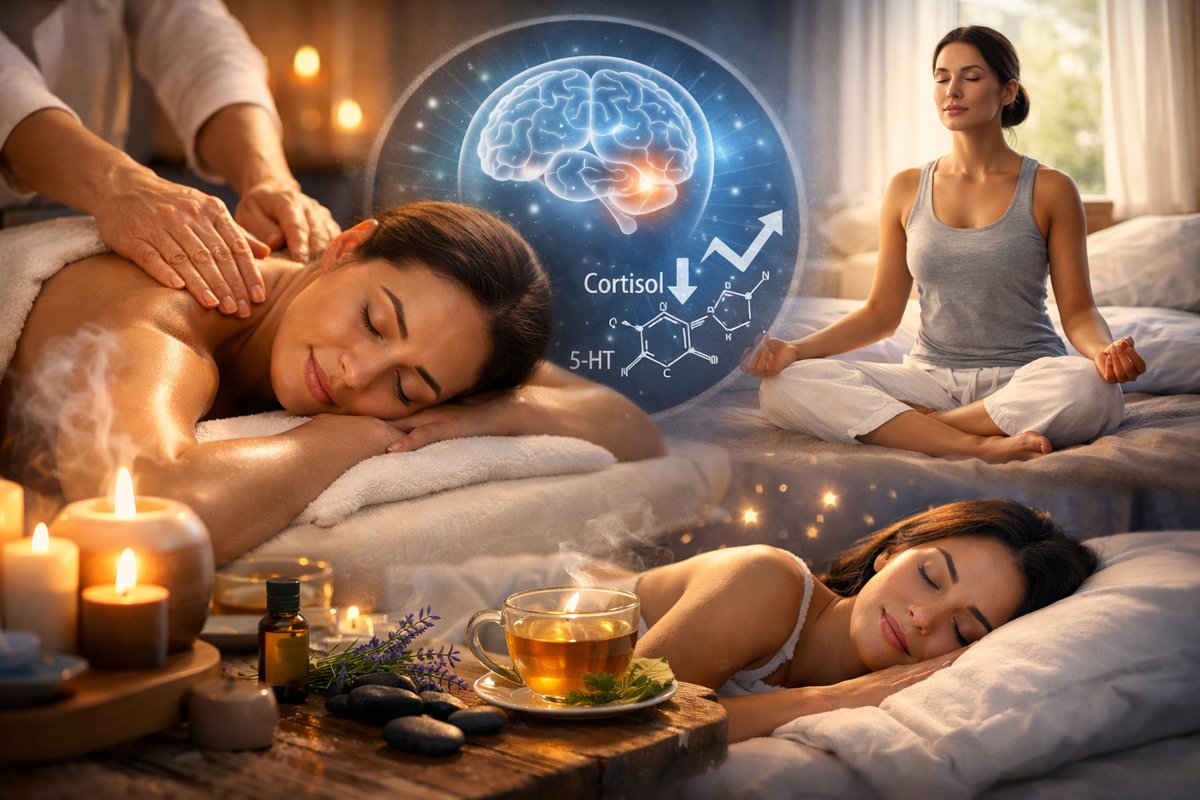
Research published in peer-reviewed journals shows that even a single 30-minute massage session can decrease levels of cortisol by up to 30% while boosting serotonin and dopamine, two neurotransmitters linked to improved mood and relaxation.
The Science Behind Massage and Stress Reduction
When a trained therapist applies specialized techniques-like effleurage strokes, kneading, or gentle joint mobilizations-your body responds on multiple fronts:
• Mechanical action: Pressure and movement help lengthen muscle fibers, ease adhesions in connective tissue, and expand joint range of motion. This reduction in physical tension feeds back to your brain, signaling it to dial down muscle-guarding reflexes.
• Neurophysiological effect: Light to moderate pressure activates mechanoreceptors in the skin, sending calming signals via the vagus nerve, which in turn lowers heart rate and fosters deep breathing.
• Circulatory boost: Massage increases blood and lymph flow, supporting oxygen delivery to tissues, helping muscles recover more efficiently, and clearing out inflammatory byproducts that can perpetuate discomfort.
A controlled study on stressed office workers found that those receiving weekly massage reported significantly lower perceived stress levels, reduced muscle stiffness, and fewer insomnia symptoms compared to a no-treatment control group.
Techniques and Their Calming Effects
While a full-body therapeutic massage by a licensed practitioner offers the most comprehensive benefits, you can also explore individual methods tailored to your needs:
• Swedish Massage: Characterized by long, gliding strokes and gentle kneading, this classic approach promotes overall relaxation and improves circulation-a reliable choice for beginners.
• Deep Tissue Massage: Targets deeper layers of muscle and connective tissue to release chronic tension knots. Ideal for those with persistent neck, bottom, or lower back tightness-but proceed with caution and communicate openly about pressure levels.
• Myofascial Release: Uses sustained pressure to soften rigid fascia (the connective tissue surrounding muscles), helping restore fluid movement and relieve pain patterns.
• Trigger Point Therapy: Focuses on precise points of referred pain (tight “knots”) by applying direct pressure. Feel-good caution: brief discomfort may lead to lasting relief.
Each modality taps into the same stress-reducing physiology-but you can work with a therapist or explore self-techniques to find the right balance of pressure and pace.
Practical Tips for Your Next Massage Session
To maximize stress relief and ensure your experience feels safe and nurturing:
• Communicate Clearly: Before you begin, share any areas of acute tension, previous injuries, or health concerns. A skilled therapist will adjust strokes, depth, and focus to suit your needs.
• Prioritize Warmth: Warm muscles are more pliable and receptive. A heated table pad or warm towels can significantly enhance comfort and relaxation.
• Breathe Mindfully: Synchronize your breath with each stroke-inhale as the therapist begins a glide, exhale as they release tension. This conscious breathing pattern deepens the parasympathetic response.
• Stay Hydrated: Massage shifts fluids and metabolic byproducts. Drinking water before and after helps flush your system and prevent post-session soreness.
• Give Yourself Time: Build in a few quiet minutes post-massage to rest, gently stretch, or journal about embodied sensations. Rushing back into activity can undo some of the nervous system’s recalibration.
Self-Massage and At-Home Relaxation Strategies
You don’t need a professional setting to tap into the restorative power of touch. Simple tools and mindful rituals at home can reinforce stress-reduction habits:
• Handheld Massage Ball: Roll slowly across tight spots in the neck, shoulders, or foot arches while standing against a wall or sitting at your desk.
• Foam Roller: Use this for larger muscle groups; start with body weight supported on elbows or forearms, and roll over hamstrings, calves, or upper back to smooth out tension layers.
• Trigger Point Tool: A small, ergonomic probe helps you zero in on stubborn knots. Apply steady, gentle pressure for 30-60 seconds, then release and breathe deeply.
• Warm Oil Blend: Infusing a gentle carrier oil with a drop or two of soothing essential oil (like lavender) can create a tactile ritual. Massage your hands, feet, or shoulders for five minutes each evening as part of a bedtime routine.
• Guided Audio Scripts: Short, narrated self-massage instructions or body-scan meditations help you stay focused on sensation rather than drifting into anxious thoughts.
These accessible practices give you agency over your relaxation, allowing you to reset midday or cultivate a winding-down ritual before sleep.
Embracing Calm Every Day
Stress relief isn’t a one-and-done event. Integrating massage therapy-whether through regular professional visits, DIY self-care, or blending both-can become an essential cornerstone of your overall well-being. As tightness in your muscles begins to ease, you’ll likely notice ripples in your mental clarity, emotional balance, and quality of rest. By tuning into body signals and prioritizing touch, you reclaim a sense of grounded presence in a world that often feels wired for tension. Start small: book a 30-minute session, learn a simple self-massage move, or carve out five minutes of mindful breathing today. Over time, these moments will accumulate, weaving a robust safety net that keeps stress from snowballing. Your mind and muscles will thank you.