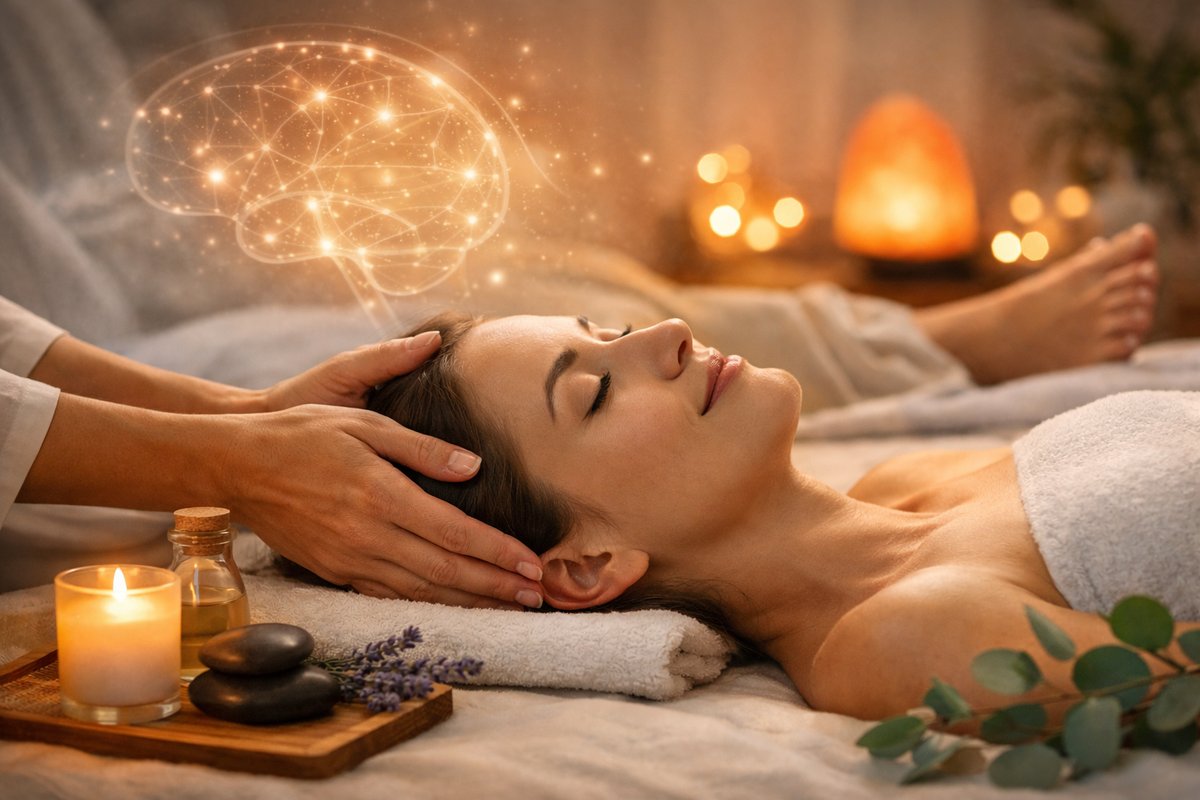

In our fast-paced lives, persistent stress can leave both mind and body on high alert. Massage offers an accessible path to relief, helping muscles unwind and signaling our nervous system that it’s safe to relax. Whether you book a professional session or explore self-massage at home, the soothing power of touch brings measurable benefits-easing tension, lowering stress hormones, and inviting a sense of calm that lingers long after the session ends.
Feeling the Tension Melt Away
The moment hands glide across tight shoulders or knead sore calves, sensory receptors beneath the skin send signals to the brain that shift the body from “fight-or-flight” toward restoration. Many people notice an almost immediate drop in muscle tightness as pressure breaks up knots and encourages blood flow. As circulation improves, cells receive more oxygen and nutrients, which supports natural recovery. A short, 15-minute massage can be enough to unlock these benefits-making it easy to fit into a busy day.
The Science Behind Touch
Research shows that even moderate massage pressure reduces cortisol, the primary stress hormone, by an average of 30 percent. At the same time, massage triggers the release of feel-good chemicals like serotonin and dopamine, lifting mood and promoting a sense of well-being. Studies also document a rise in heart rate variability-a marker of parasympathetic (rest-and-digest) activity-after a session, indicating deeper engagement of the body’s relaxation response. In practical terms, that means massage doesn’t just feel nice: it recalibrates your internal systems for greater resilience to life’s daily pressures.
Simple Self-Massage Moves You Can Try Today
Professional therapists use specialized tables and techniques, but you can experience similar relief with a few accessible tools and your own hands. Before you begin, find a quiet spot with enough room to move comfortably. Sit or lie down on a soft surface, and follow these steps:
- Neck and shoulders: Tilt your head gently to one side and use your opposite hand to apply small circular motions along the base of the skull and tops of the shoulders. Keep your pressure firm but pain-free, moving slowly to locate tender spots.
- Forearms and hands: Press your thumb into the space between your thumb and index finger, then glide it up toward your wrist. Repeat along each finger, squeezing gently before releasing. This can relieve tension from typing or repetitive tasks.
- Calves and feet: Place a foam roller under your calves, using your hands to lift your hips and roll back and forth. Pause on tight areas for 10-15 seconds. For your feet, roll a tennis ball or massage ball under the arch, adjusting pressure to your comfort level.
After each move, take a few slow, deep breaths to let your body absorb the effects. Aim for 10-15 minutes total, and adjust the routine on days when you need a quick reset versus a longer relaxation session.
Enhancing the Experience
Sound, scent, and temperature all influence how deeply you relax. Consider these simple enhancements:
- Soft lighting or candles: Dimming overhead lights or using candles creates a calm atmosphere that signals your brain to slow down.
- Aromatherapy: Inhaling gentle scents like lavender or chamomile during massage may amplify stress relief. Look for pure essential oils or unscented carrier oils with a light fragrance.
- Warmth: A heated pad or warm towel applied for a few minutes before massage can loosen muscles and boost circulation.
- Quiet focus: Turn off screens and notifications. If you like background noise, try soft instrumental music or a guided relaxation recording.
By layering these sensory cues-warmth, scent, sound-you create a ritual that primes both mind and body for deeper ease.
Knowing When to Seek Professional Care
Self-massage is a safe first step for everyday tension, but some patterns of pain and stiffness deserve professional attention. If you experience persistent or sharp pain, swelling, or loss of function, consult a qualified massage therapist or healthcare provider. They can tailor techniques-like trigger-point release or myofascial work-to your individual needs, ensuring safe and effective care.
For routine stress relief, aim for 1-2 self-massage sessions per week, and consider supplementing with occasional visits to a licensed massage therapist. Even a monthly professional session can reinforce the benefits you build at home.
Mindful Self-Care to Carry Forward
Reducing stress isn’t a one-time fix; it’s an ongoing practice of tuning in to your body’s signals and responding with compassion. A few minutes of self-massage can ground you in the present moment, calm racing thoughts, and release physical tension that accumulates silently throughout the day. As you build this habit, you may notice better sleep, improved focus, and a deeper connection to your own well-being.
By integrating simple touch techniques and mindful pauses into your routine, you empower yourself to navigate life’s demands with greater calm and resilience. Remember, self-massage isn’t about perfection-it’s an invitation to slow down, listen, and honor your body’s need for rest.
Encourage yourself to explore these practices today and give your body the nurturing support it deserves.