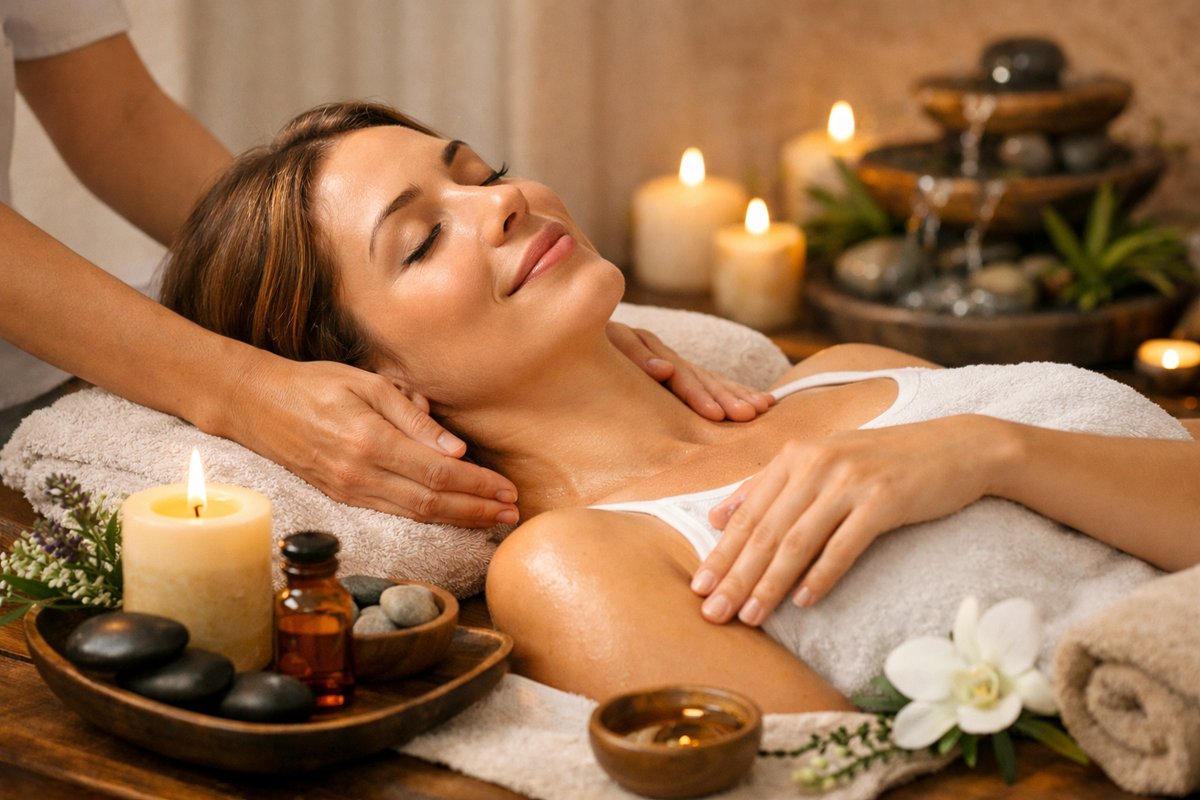

A Warm Welcome to Everyday Well-Being
Stress seeps into our lives through work deadlines, noisy commutes, and the endless stream of obligations. Over time, that tension can lead to headaches, difficulty sleeping, and a sense of being constantly ‘on edge.’ Massage therapy offers a grounded, sensory approach to easing stress by engaging both mind and body. In this article, you’ll explore how massage influences stress physiology, simple techniques you can try at home, and practical tips to ensure safety and comfort. Whether you’re new to touch therapy or looking for ways to deepen your self-care practice, you’ll find clear, evidence-based insights and gentle guidance.
The Science Behind Stress and Massage
Chronic stress triggers the release of cortisol, the body’s main stress hormone. Elevated cortisol levels over time can contribute to fatigue, muscle tension, and a weakened immune response. Massage therapy helps reverse this process. Research has shown that even a single 20-minute massage session can lower cortisol by up to 30 percent and raise levels of serotonin and dopamine-neurochemicals linked to mood regulation and relaxation.
On a physiological level, massage stimulates the parasympathetic nervous system, often called the ‘rest and digest’ response. Through gentle pressure, kneading, and friction, massage reduces muscle stiffness and improves circulation. That improved blood flow delivers more oxygen and nutrients to tissues, encouraging recovery and helping the body move out of fight-or-flight mode. Over time, regular massage creates a feedback loop of reduced tension, better sleep, and improved overall well-being.
Sensory Experience: Engaging the Senses
True relaxation goes beyond muscle manipulation. A calm environment supports the body’s shift into a relaxed state. Here are some sensory elements to consider:
• Touch: Choose a massage oil or lotion with a smooth, non-greasy feel. The glide across skin should be pleasant, not sticky.
• Sound: Soft background music or a gentle nature soundscape can help focus attention inward and drown out distractions.
• Smell: A subtle aromatherapy blend-such as lavender or chamomile-can prime the brain for relaxation without feeling overpowering.
• Lighting: Dim or warm-toned light lowers alertness. If you’re massaging yourself, position a bedside lamp or candle nearby, not directly in your eyes.
By layering these sensory cues, you’ll create a mini retreat in your home, making each massage session feel intentional and restorative.
Practical Techniques You Can Try
Even if you don’t have a professional massage therapist on call, you can apply basic touch therapy methods safely:
• Effleurage (Long Gliding Strokes): Use the palms of your hands to glide along major muscle groups-like the shoulders, upper back, or thighs. Apply gentle to moderate pressure, moving from the center out toward the limbs. This stroke warms tissues and promotes circulation.
• Petrissage (Kneading): Gently lift, roll, or squeeze muscles with your fingers and thumbs. Kneading feels like the act of pressing dough. It helps release deeper knots and adhesions.
• Trigger-Point Pressure: Identify small, tender spots in your muscles. Hold steady pressure with your fingertip or a massage tool for 5-10 seconds, then ease off. This can help break up tight areas that contribute to headaches or tension.
• Self-Rolling Ball: Place a small massage ball (or tennis ball) between your body and a firm surface, like a wall or floor. Gently lean into areas of tension and move in small circles. This method is great for the shoulders, glutes, and feet.
Spend 5-10 minutes on each technique, paying attention to how your muscles respond. It’s normal to feel mild soreness afterward, but sharp pain is a sign to ease up.
Safety and Comfort Tips
Before you dive in, keep these safety guidelines in mind:
• Start Gently: If you’re new to massage, begin with light pressure and gradually build up as your tissues adapt.
• Watch Your Posture: When using tools or self-massaging, maintain a neutral spine and avoid overstretching your neck or back.
• Stay Hydrated: Massage can release metabolic waste. Drinking water afterward supports the kidneys and helps flush out toxins.
• Check for Contraindications: If you have a recent injury, open wound, skin condition, or circulatory issue, consult a healthcare professional before self-treatment.
• Listen to Your Body: Discomfort is normal, but sharp or radiating pain is not. If something doesn’t feel right, reduce pressure or switch techniques.
Incorporating Massage into Your Routine
Consistency amplifies benefits. Here’s how to weave touch therapy into your week without adding stress:
• Quick Office Breaks: Keep a small massage ball or handheld massager in your desk drawer. A 2-minute shoulder roll or neck glide between emails can interrupt tension build-up.
• Pre-Sleep Ritual: Use gentle effleurage on your temples, neck, or feet for 5 minutes before bed. Paired with dim lighting and calming sound, this can support a smoother transition to sleep.
• Weekend Self-Care Session: Block out 20-30 minutes to experiment with multiple techniques. Light a candle, diffuse a soothing essential oil, and treat yourself to a quiet, tech-free moment.
• Partner Massage: If you have a willing friend or family member, practicing basic strokes on each other can be a bonding, mutually beneficial activity. Keep communication open-ask about pressure and comfort level.
Embracing Mindful Self-Care
Massage is more than a quick fix; it’s an invitation to listen to your body. Tension often signals unmet needs-rest, movement, hydration, or simply a pause. By exploring gentle touch, you cultivate body awareness and a deeper connection to your own rhythms.
As you experiment with strokes, tools, and sensory elements, notice how your muscles soften, your breath changes, and your mind eases. Over time, these small moments of intentional care add up, creating a reservoir of calm you can draw on when life feels overwhelming.
Take a few breaths right now. Feel your shoulders drop and your spine lengthen. Remember that relief is within reach through simple, nurturing touch. Your body carries you every day-return the favor with kindness, curiosity, and a willingness to unwind.
May each gentle stroke you offer yourself bring comfort, clarity, and a renewed sense of ease.