
Every day brings small pressures-deadlines, traffic, endless to-dos-that add up in the body as tight shoulders, clenched jaws and restless nights. Massage therapy offers more than a moment of indulgence. By engaging your parasympathetic nervous system, skilled or self-applied touch can dial down the stress response, ease aching muscles and help you drift into deeper sleep. This article explores the evidence behind stress relief through massage, shows you safe, sensory-aware practices to try right away and guides you toward mindful routines that foster long-term resilience.
The Science of Stress and Soothing Touch
When you perceive a threat-whether it’s an urgent email or a looming presentation-your brain signals the adrenal glands to release cortisol and adrenaline. These hormones fuel the fight-or-flight response, heightening alertness and muscle readiness. Over time, chronically elevated stress hormones contribute to headaches, poor sleep and tension in the neck, shoulders and back. A growing body of research shows that massage prompts the body to switch gears from fight-or-flight to rest-and-digest mode. In one randomized trial, participants who received regular Swedish massage showed significant reductions in salivary cortisol compared to a relaxation control group. Their heart rates slowed, breathing patterns deepened and subjective stress ratings dropped.
Techniques That Melt Muscle Tightness
Swedish massage relies on long, gliding strokes and gentle kneading to warm tissues, increase circulation and drain metabolic waste. Deep tissue massage works more slowly, applying sustained pressure to reach layers of connective tissue and break up adhesions that limit muscle mobility. Both approaches help muscle fibers relax, improving range of motion and easing pain. You can adapt these movements at home with simple tools-gently roll a tennis ball under tight hamstrings, trace your shoulder blades with sustained fingertips or press a foam roller along the calf muscles in slow passes. Always move within your comfort zone and pause if you feel sharp or radiating pain.
Designing a Sensory-Aware Relaxation Space
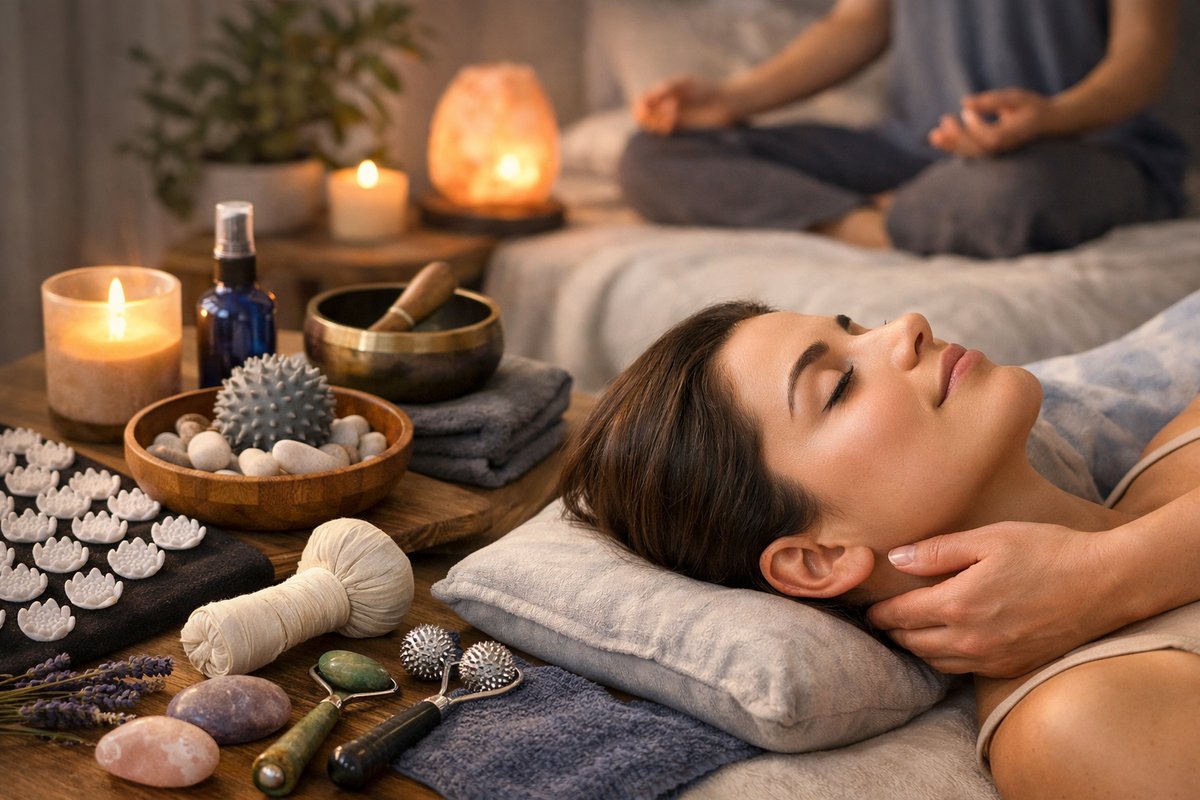
Touch feels best in a calm environment. Dim overhead lighting or light a soothing lamp with warm tones. Play soft ambient sounds, such as ocean waves or gentle piano melodies, at a low volume. Keep a lightweight blanket handy for warmth. Take a few moments before you begin to sit quietly, closing your eyes and noticing your breath. Slow, diaphragmatic breathing-where the belly rises deeply on the inhale and softly falls on the exhale-helps reinforce the relaxation response. When you combine mindful breath with deliberate touch, you heighten body awareness and allow muscle tension to melt away more completely.
DIY Massage Tools and Practical Tips
Self-massage doesn’t require fancy equipment. A high-density foam roller delivers broad pressure across large muscle groups-ideal for the quads, back and calves. A set of spiky massage balls targets smaller, knotty areas like the soles of your feet or the base of your skull. Massage sticks or handheld rollers grant more control along the inner thighs or hips. To protect the skin and boost glide, use a lightweight natural oil or unscented lotion. Start each session with 30 seconds of gentle strokes, gradually intensifying pressure over tender spots but never forcing through significant discomfort. Aim for two to three minutes per muscle group, and always follow with a few deep breaths and gentle stretching to integrate the work.
When to Seek a Certified Therapist
While self-care techniques can offer immediate relief, licensed massage therapists bring advanced training in anatomy, injury prevention and body mechanics. If you notice persistent pain, joint limitations or signs of inflammation-redness, heat or swelling-consult a qualified professional. A skilled therapist will adjust techniques to your needs, avoid contraindicated areas and may integrate modalities like myofascial release or trigger-point therapy. Communicating openly about pressure levels, sensitive zones and your overall goals ensures each session supports healing and stress reduction without overloading the nervous system.
Staying Consistent for Lasting Calm
One or two sessions can feel wonderful, but the greatest benefits emerge with regular practice. Schedule brief self-massage breaks two to three times a week, even if it’s just rolling your shoulders and neck for five minutes. Pair your massage routine with a few nightly rituals-turning off screens early, sipping herbal tea or journaling a few lines of gratitude-to reinforce a sense of closure at day’s end. Over time, this consistent approach rewires your stress response, making it easier to slip into relaxation and restorative sleep.
Mindful Self-Care for Body Awareness
At its heart, massage therapy teaches you to listen. Touch invites you to notice where you hold tension, observe how breathing changes muscle tone and feel the relationship between calm mind and supple body. Embrace these moments as windows into your inner world. By making self-massage and professional treatments part of your wellness toolkit, you nurture not only physical comfort but also emotional resilience and a deeper connection to your own well-being.