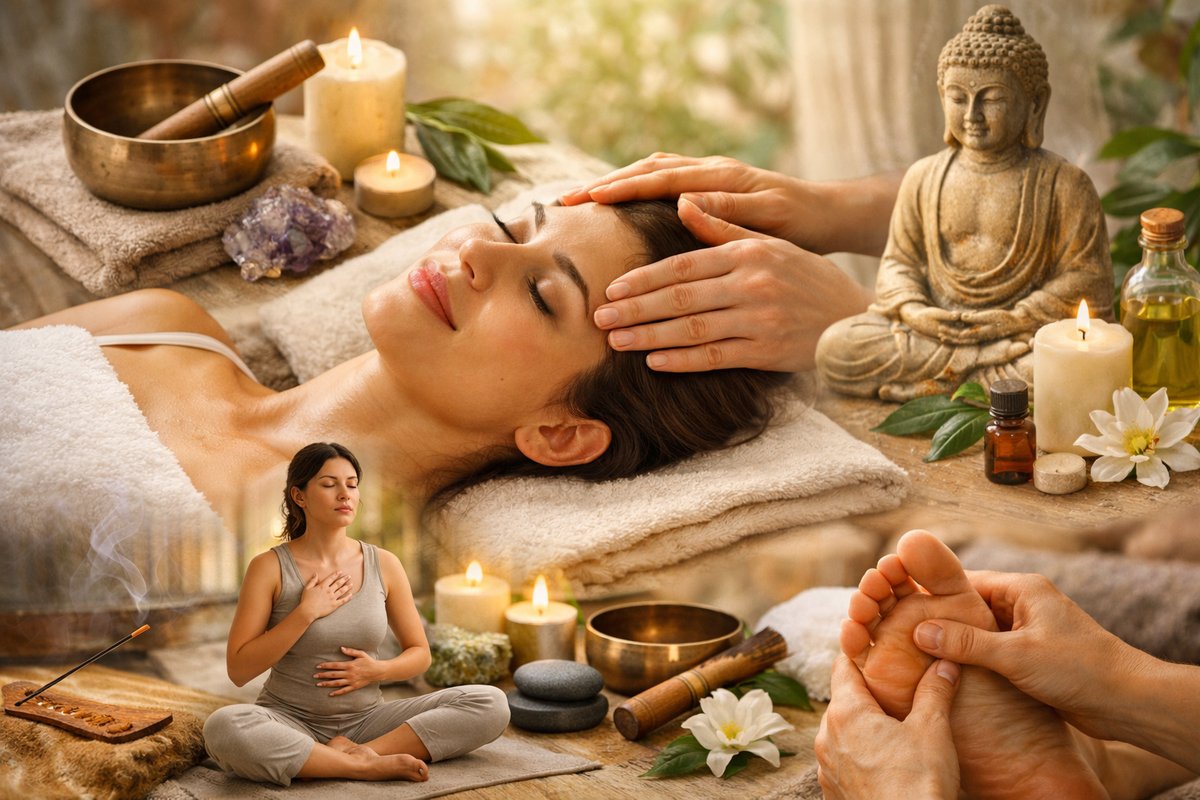

Why Wholistic Massage Matters for Whole-Person Wellbeing
In a fast-paced world where stress accumulates in muscles and thoughts alike, wholistic massage offers a path back to balance. Rather than focusing on isolated aches or symptoms, this approach addresses the full landscape of your wellbeing-physical tension, emotional states, and the rhythms of daily life. By tuning into how muscles, breath, and mind interact, you can gently release stress, boost relaxation, and build resilience over time.
Nourishing the Body Through Mindful Touch
At the heart of wholistic massage lies a simple principle: thoughtful, intentional touch helps tissues relax and signals the nervous system that it’s safe to unwind. Research in massage therapy journals shows that moderate, rhythmic pressure can help reduce levels of stress hormones and encourage production of feel-good neurotransmitters like serotonin. As you practice-or receive-a session, invite awareness to areas of tension: perhaps your shoulders feel braced against computer work, or your lower back holds the weight of busy days. Allow hands or tools to glide with gentle strokes, using enough pressure to feel muscles yield without discomfort.
To deepen this body-mind connection, synchronize each stroke with a conscious breath. Inhale to prepare, exhale to release tension under the hand. This simple pairing of breath and touch amplifies the relaxation response, helping both muscles and mind soften in unison.
Easing Tension with Breath and Movement Integration
Beyond still hands, wholistic massage often weaves in gentle movement or stretch. These passive movements encourage fluid exchange in muscle fibers and joints-promoting circulation and decreasing stiffness. An evidence summary in a leading integrative health journal highlights how adding light, guided stretches can improve range of motion and ease chronic tension patterns over repeated sessions.
Try this at home: after a few minutes of self-massage on your neck and shoulders, slowly tilt your head toward one shoulder. Support the tilt with your opposite hand, lifting the arm slightly to broaden the stretch. Breathe steadily into the side of your neck, feeling muscles unwind. Switch sides after several breaths. This combined approach brings mindful awareness to both pressure and motion, helping release stored tightness.
Creating a Supportive Environment at Home
A wholistic massage session is more than hands on. The environment you set shapes how deeply your body and mind can relax. Aim for a quiet nook with soft lighting-natural daylight filtered by curtains or a warm-toned lamp. Play gentle ambient music or nature sounds at low volume. A steady room temperature and a comfortable surface-blanket-layered mat, futon, or firm couch-support ease of movement.
Consider adding aroma through a neutral-based essential oil in a diffuser. Lavender, chamomile, or simple green tea scents can promote calm without overwhelming the senses. Keep a glass of water nearby to sip between techniques-hydration supports tissue health and helps flush metabolic byproducts released during massage.
Simple Self-Massage Techniques to Try Today
Incorporating wholistic massage into daily life doesn’t require professional training. Here are three safe, evidence-informed techniques you can practice anywhere:
1. Palm-Press Wake-Up
Place both palms flat on your upper back, fingers pointing toward each other between shoulder blades. Press in evenly as you inhale for four counts, then hold for two counts. Exhale and slide hands down toward your mid-back, maintaining even pressure. Repeat five times to invite circulation and gentle release.
2. Forearm Glide for Lower Back
Lie on your back with knees bent and feet flat. Place one forearm under your lower back curve with light pressure. Breathe deeply for six to eight breaths, letting your weight melt onto your arm. Switch sides. This technique encourages length and mobility in the lumbar region.
3. Thumb Circles for the Scalp
Seated or lying down, place thumbs at the base of your skull. Apply light, steady pressure and make small circular motions. Move gradually across the scalp, pausing where you feel extra tension. This method can soothe headaches tied to neck tension and invites a moment of calm focus.
Cultivating a Daily Ritual of Self-Care
Consistency helps wholistic massage become a true wellness practice. Even five to ten minutes each morning or evening can shift stress patterns over time. Pair your self-massage routine with journaling or mindful breathing to integrate insights from your body. Notice how certain areas feel day to day-this ongoing awareness guides you to areas needing extra care.
As you build this ritual, you may find tension mapping-simply noting spots of tightness-becomes a gentle compass for self-care. Over weeks, patterns often emerge: shoulders tight after long calls, hips stiff on busy commutes, scalp aches during high-pressure tasks. These insights help you tailor touches and stretches where they’ll have the greatest calming effect.
Embracing Ongoing Balance
Wholistic massage isn’t a one-time fix; it’s a relationship with your own body and mind. By weaving mindful touch, breath, and movement into daily life, you support lasting relaxation, improved posture, and emotional steadiness. Approach each session with curiosity and compassion, honoring how your tissues and thoughts respond. Over time, small moments of care accumulate into a resilient foundation for wellbeing-proof that true balance grows in the everyday rhythms of gentle self-attention.
Above all, remember: your body holds wisdom. Wholistic massage simply creates space for that wisdom to speak through relaxation, awareness, and renewed ease.