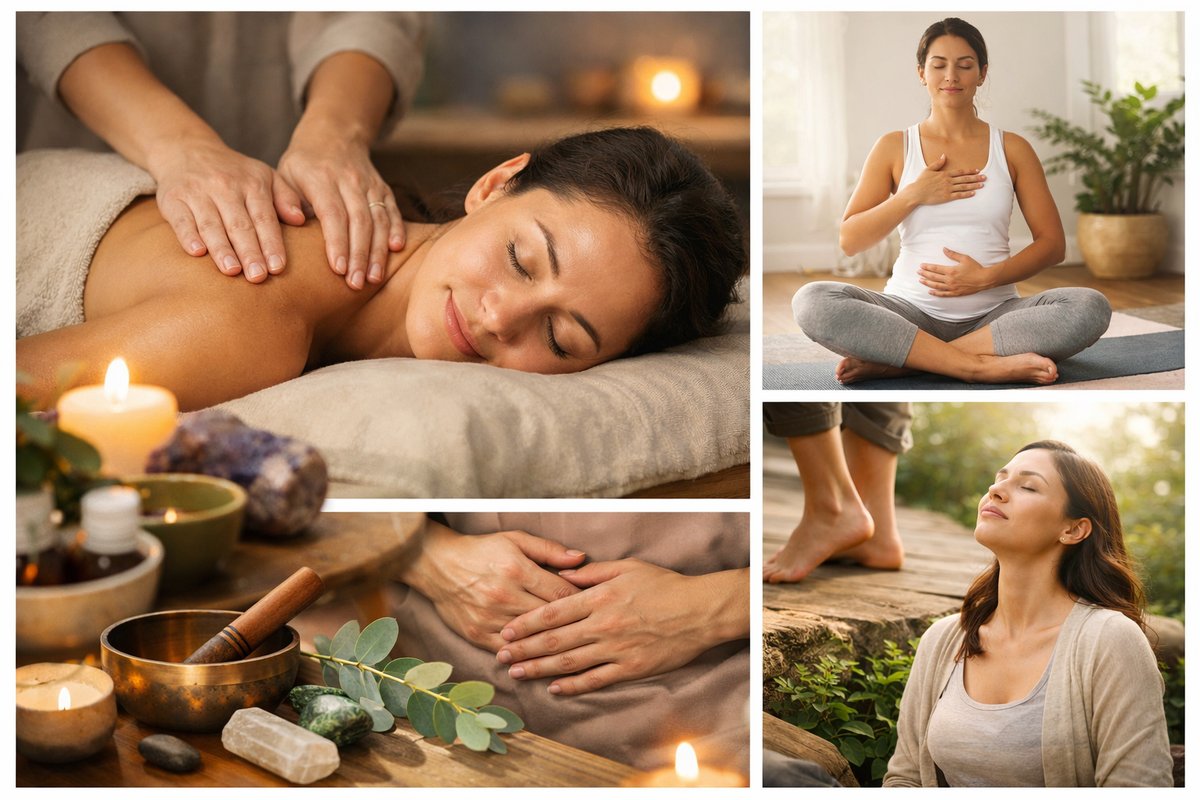

A Grounded Invitation to Wholistic Massage
In today’s busy world, it’s easy to treat the body as separate from thoughts and feelings. Wholistic massage offers a pause-a chance to reconnect with the body, calm the mind, and honor the rhythms of daily life. By weaving together thoughtful touch, gentle movement, and mindful breath awareness, this approach supports relaxation, eases tension, and fosters a deeper sense of balance.
Sensory Awareness and the Art of Touch
Every wholistic massage session begins with simple sensory invitations. Before applying any technique, take a moment to notice the surface beneath you and how your clothing feels against your skin. Invite soft focus into the room-dim the lights or draw a curtain to soften edges. A gentle, rhythmic stroke with warm hands can awaken circulation and signal the nervous system that it’s safe to let go.
When massaging your shoulders or neck, use gentle, spreading strokes that follow the grain of muscle fibers. Apply even pressure with the palm of your hand or the flat of your fingers. If areas feel tender, pause to hold the spot with steady, soothing pressure for twenty to thirty seconds. This helps the tissues release without overstimulation.
Mindful Breathing as a Bridge
Wholistic massage isn’t just about manipulating muscle. It’s a dialogue between touch and breath. Invite a few inhalations that expand the rib cage, followed by long, soft exhalations that release tension. As you exhale, imagine the body softening inch by inch. You might place one hand over the belly and the other on the chest to feel the breath’s movement.
By coordinating strokes with exhalations-lifting and gliding as you breathe out-you create a rhythm that soothes the nervous system. Over time, this mindful breathing trains the body to lower stress hormones and invite relaxation beyond the massage table.
Evidence-Informed Benefits of Integrative Touch
Research in massage therapy supports many of the benefits people report: reduced muscle tension, improved circulation, and decreased markers of stress. A review published in a major massage-therapy journal found that even brief sessions of gentle, whole-body massage can lower levels of cortisol, the primary stress hormone. Studies on heart-rate variability-an indicator of nervous-system balance-show improvements after integrative touch sessions.
Beyond the physical effects, clients often describe a greater sense of emotional ease, enhanced body awareness, and more restful sleep. By addressing the body’s physical and psychological needs together, wholistic massage offers a comprehensive path to wellbeing.
Integrating Simple Practices at Home
You don’t need specialized equipment to bring wholistic massage into your daily routine. Here are safe, accessible techniques for self-care:
- Sacral Hold: Place one hand at the base of your spine and the other on your lower abdomen. Breathe deeply for five breaths, letting your pelvis soften into the support beneath you.
- Forearm Glide: Use the flat of your forearm to sweep along the side of your neck and shoulder in slow, even strokes. Pause at any spots of tightness and breathe into the tension.
- Scalp Sooth: Apply gentle, circular pressure with your fingertips across your scalp. Move from the hairline toward the crown, allowing hair to move freely in your hands.
- Foot Embrace: Rest one foot on a rolled towel. Use your thumbs to trace circles on the sole, moving from heel to ball of the foot. This simple practice can ground the nervous system after a long day.
Mindful Movements to Complement Massage
Integrating short movement breaks throughout the day can reinforce the effects of massage. Try gentle shoulder rolls and neck rotations in seated pauses. Stand up to stretch your arms overhead and hinge forward at the hips, letting your head and arms hang freely to release the spine. Even a brief sequence of sun-rising arm lifts and side stretches can realign posture and ease accumulated tension.
Adapting to Your Lifestyle and Needs
Wholistic massage is fluid rather than prescriptive. You might design a morning ritual that combines foot massage with aromatherapeutic self-inquiry. In the evening, a focused neck-and-shoulder session paired with breathwork can signal to your body that it’s time to unwind. Journal for a few minutes afterward if you find it helpful to anchor emotional insights.
If time is tight, concentrate on the areas where you hold the most tension-common zones include the jawline, shoulders, and low back. Even a few minutes of intention and care can shift your state more than you might expect.
Deepening Body Awareness Through Reflection
After each self-massage practice, spend a moment noticing how your body feels: Are your shoulders softer? Do you sense more freedom in your neck? Has your breathing changed? These small observations build a foundation of body literacy-knowing how your tissues, organs, and nervous system respond to gentle attention.
This reflective habit supports long-term wellbeing, encouraging you to address early signs of stress before they become aches or pains.
A Gentle Path Toward Balanced Wellbeing
Wholistic massage is more than a set of techniques; it’s an invitation to nurture yourself with curiosity and compassion. By weaving together mindful touch, breath awareness, and simple movement, you create a portable toolkit for relaxation and resilience. Over time, these practices become a way of living that honors your body’s wisdom and supports your overall wellbeing.
Allow yourself the grace of a few intentional minutes each day. Notice the subtle shifts as tension yields to ease, and stress gives way to calm. In those quiet interludes, you reconnect with the wholeness of your being-body, mind, and daily life intertwined in harmony.