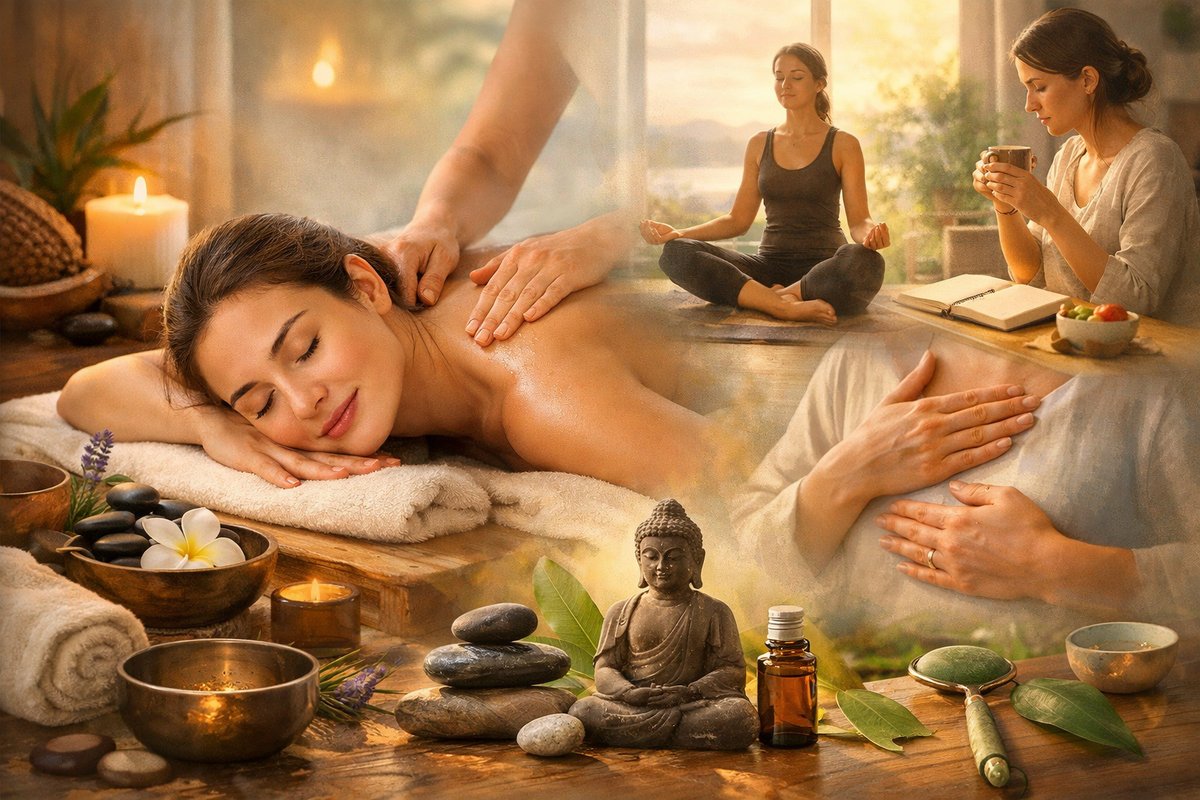

Why Wholistic Massage Matters
Wholistic massage honors the simple truth that our bodies and minds are interconnected. When tension accumulates in muscles, it often carries emotional weight: a hunched back may reflect stress, a tight jaw can signal worry. By approaching massage beyond individual knots and sore spots, wholistic techniques engage the whole person-breathing patterns, posture habits, and daily rhythms-to help you feel grounded and at ease. Research in manual therapy shows that combining touch, movement, and mindfulness can reduce stress hormones, ease muscle tension, and support a calm nervous system. Rather than chasing a quick fix, wholistic massage invites you into a gentle reset for both body and mind.
Mindful Breathing and Body Awareness
A cornerstone of wholistic massage is mindful breathing. Before you begin, take a moment to settle into a comfortable position, either lying on a supportive surface or seated with a straight spine. Inhale slowly through the nose, let your belly rise, then exhale fully through the mouth. Repeat this cycle five to ten times, noticing how each breath allows muscles to soften. Studies on integrative touch therapies note that pairing breathwork with massage strokes can amplify relaxation by activating the parasympathetic nervous system. As you inhale, imagine fresh energy moving into tight areas; as you exhale, feel tension melting away.
Simple Techniques for Easing Tension
Wholistic massage relies on safe, accessible techniques you can apply at home or with a partner. Use gentle effleurage-long, gliding strokes-to warm the muscles and spread massage oil or lotion smoothly. Focus on areas where stress often lingers: shoulders, neck, lower back, and calves. Apply moderate pressure with your palms or fingertips, working in the direction of blood flow toward the heart. If you encounter a tender spot, pause and breathe into it rather than pressing harder. You might also incorporate broad kneading motions on larger muscle groups, shifting skin and fascia layers to encourage fluid movement. Evidence suggests that this combination of strokes helps reduce muscle stiffness and improves circulation.
Integrating Movement and Stretching
Movement complements touch by encouraging muscle lengthening and joint mobility. After a few minutes of stroking, guide the limb you’re working on through gentle passive stretches. For example, when massaging the calf, flex the foot back toward the shin and hold for several breaths. In the neck area, support the head with one hand and tilt it slowly to each side, pausing where you feel a natural release. These simple movements help realign muscle fibers and relieve built-up tension. Research on myofascial release techniques shows that combining massage strokes with passive stretching can enhance flexibility and reduce soreness more effectively than either method alone.
Creating a Calm Environment
The setting for wholistic massage plays a key role in your experience. Choose a quiet corner of your home where you can dim the lights and limit interruptions. Lay down a soft, supportive surface-such as a yoga mat topped with a blanket or firm mattress pad-and keep a small stack of towels within reach. Soft, instrumental music or nature sounds can deepen your sense of relaxation. If you enjoy gentle scent cues, consider using a diffuser with a calming essential oil blend, like lavender and chamomile. Evidence suggests that pleasant aromas can lower stress levels and improve mood when paired with manual therapies.
Self-Care Routines Between Sessions
Wholistic wellbeing extends beyond individual massage sessions. Incorporate brief micro-breaks throughout your day to practice mindful breathing or perform a few gentle self-myofascial release techniques using a massage ball or foam roller. Pay attention to your posture: set reminders to sit tall and roll your shoulders back. Stay hydrated, as well-hydrated tissues respond better to touch. Nourishing your body with balanced meals, sufficient sleep, and moderate movement-such as walking or restorative yoga-reinforces the benefits of massage by keeping muscles supple and the nervous system resilient.
Evidence-Informed Benefits
Clinical studies on integrative touch therapies highlight several consistent outcomes. Participants often report lower levels of cortisol (a stress hormone), reduced muscle stiffness, and an overall uplift in mood. Some controlled trials show improvements in sleep quality after a series of wholistic massage sessions. While individual results vary, the consensus among massage therapists and manual therapy researchers is clear: a gentle, whole-person approach helps maintain physical comfort and emotional balance over time.
A Gentle Sensory Invitation
As you explore wholistic massage, notice the textures beneath your hands, the subtle scents in the air, and the interplay of breath and touch. Invite a compassionate curiosity: observe how each technique affects tension patterns and emotional states. You don’t need special training to start-just a willingness to slow down and tune in to your body’s signals. With each session, you’ll build greater awareness, resilience, and comfort in your everyday life.
Encouraging Mindful Self-Care
Wholistic massage is more than a momentary respite; it’s a practice that weaves compassion into your daily routine. By blending mindful touch, breathing, and gentle movement, you create an ongoing dialogue with your body. As you honor signals of tension or fatigue, you’re reinforcing a sense of safety and balance within yourself. Commit to small acts of self-care between dedicated massage moments: a rolling stretch for tight calves, a few mindful breaths at your desk, or a warm towel wrapped around tired shoulders. Over time, these rituals strengthen the mind-body connection and support a vibrant, balanced sense of wellbeing.
-
SenseFlow Space Fragrance Diffuser SF101 - Citrus Bloom Noir
Buy SenseFlow Space Fragrance Diffuser SF101 - Adjustable Natural Atomizer Essential Oil Kit with 120-Day Long-Lasting Aroma, LED Light, Ideal for Home, ... -
Ultimate Aromatherapy Diffuser & Essential Oil Set - Amazon.com
Change the vibe of your oil diffuser with customizable lights and four built-in timer settings. No detail has been spared to make your aromatherapy experience a ... -
10ml 40 Fragrances Essential Oils 100% Pure Natural Home ... - eBay
10ml Essential Aromatherapy oils. This will keep the oils fresh and help against light degradation. 1 x Bottle 10ML Essential Oil. Perfect Essential Oils ... -
Aromatherapy Diffuser Oil 1 Oz Undiluted Essential Oils - Etsy - Etsy
Aromatherapy Diffuser Oil 1 oz Undiluted Essential Oils | Relaxing Spa Scent Blends – Lavender, Peppermint, Citrus | Stress Relief Home Gift. -
Aromatherapy Diffuser With Music And Changing Lights - Wayfair
Shop Wayfair for the best Aromatherapy Diffuser With Music And Changing Lights. Enjoy Free Shipping on most stuff, even big stuff.