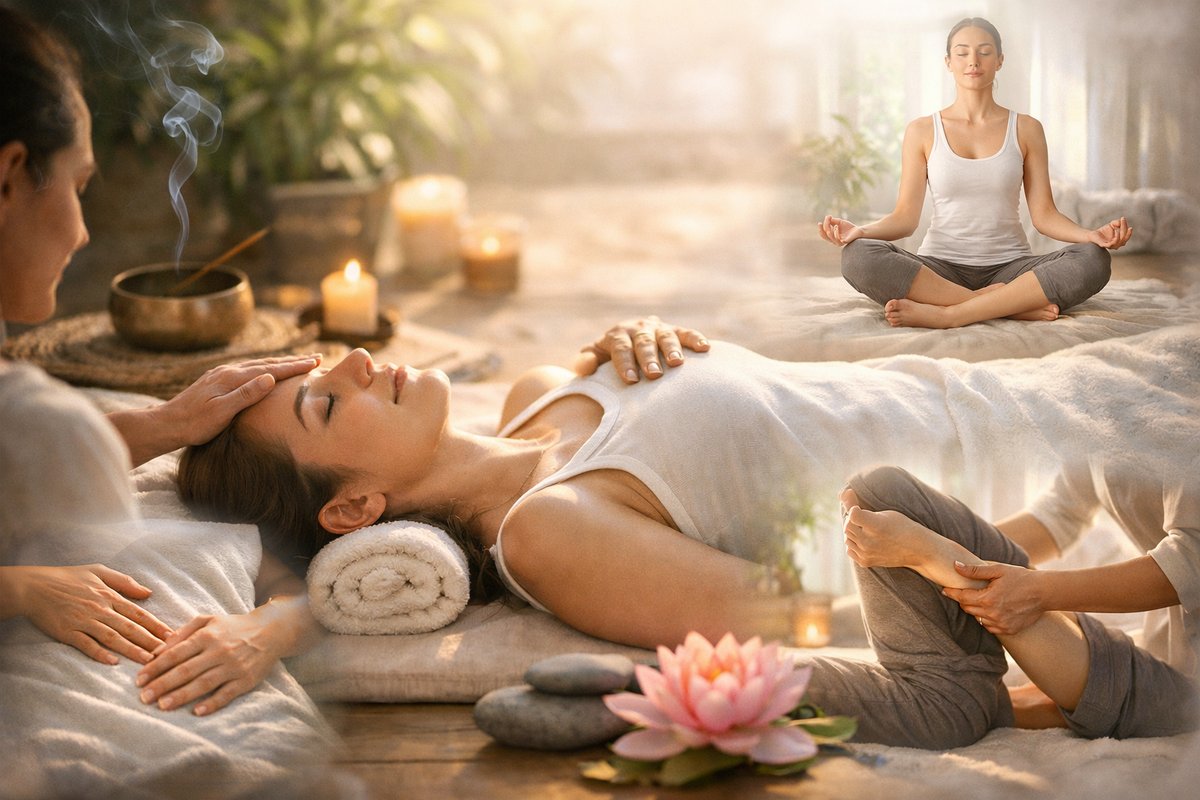

Why Wholistic Massage Matters for Whole-Person Wellbeing
Wholistic massage recognizes that our physical bodies, emotional states, and daily rhythms are deeply interconnected. Rather than focusing on a single muscle group or symptom, it weaves together touch, breath awareness, and gentle movement to invite lasting relaxation and restore balance. In today’s fast-paced world, chronic tension, scattered thoughts, and restless nights can leave us feeling disconnected from ourselves. A wholistic approach reminds us that a calm mind often resides in a calm body, and vice versa. By learning simple, evidence-informed practices, anyone can tap into the power of integrative touch to promote overall wellbeing.
Breath and Body Awareness: The Foundation of Integrative Touch
A key principle in wholistic massage is synchronizing touch with breathing. Research has shown that combining gentle manual pressure with guided inhalations and exhalations can enhance parasympathetic activation-our body’s relaxation response-and reduce stress-related hormones. To begin, lie on a supportive surface and place one hand on your chest or belly. As you inhale, notice how the hand rises; as you exhale, feel it soften. This simple exercise helps you settle into your body and can be woven into any self-massage routine.
Practical Self-Massage Techniques for Everyday Balance
Gentle self-massage can be performed in short bursts when you feel tension building. Try these easy steps:
• Neck and shoulders: Clasp your hands behind your head, apply light pressure to the base of the skull, and tilt your head forward to elongate. Breathe deeply for five cycles.
• Forearms and wrists: Use your opposite thumb to make small circular strokes along the underside of your forearm. This area holds tension from typing or gripping devices.
• Lower back and hips: Place a tennis or massage ball between your back and a wall. Gently lean into the ball and roll it in small circles around tight spots. Breathe softly as you explore.
Each technique takes just a minute or two but can break up tension and restore calm. Listen to your body’s feedback-if something feels too intense, lighten your touch or shift focus elsewhere.
Gentle Movement: Dance, Stretch, and Release
Movement practices complement hands-on techniques by keeping tissues fluid and improving circulation. Integrative methods often borrow from simple yoga stretches and somatic movements that encourage the body to unwind:
• Shoulder rolls: Roll your shoulders forward five times, then backward five times, coordinating each movement with your breath.
• Hip circles: Stand with feet hip-width apart and make slow circular motions with your hips, first clockwise, then counterclockwise.
• Soft cat-cow: From all fours, arch your back while inhaling (cow), then round it while exhaling (cat), moving with the rhythm of your breath.
These slow, intentional motions help prevent stiff muscles and joints and can be done between tasks to refresh both body and mind.
The Science Behind Integrative Touch
A growing body of research supports the benefits of combining massage, breathwork, and movement. Meta-analyses indicate that massage therapy can significantly reduce symptoms of anxiety and improve sleep quality. Studies on mind-body interventions show that conscious breathing lowers cortisol levels and increases feelings of calm. By integrating these elements, wholistic massage offers a synergistic effect: touch soothes the nervous system, breath anchors awareness, and movement maintains flexibility.
Creating a Calm Space at Home
Setting matters. A tranquil environment amplifies the soothing effects of wholistic massage. Consider these tips:
• Lighting: Soft, indirect light or a warm lamp can create a sense of calm.
• Textiles: A supportive cushion or folded blanket under the pelvis and neck helps maintain comfort during longer self-care sessions.
• Scents: If you enjoy subtle aromas, choose a single, unscented carrier oil or a mild essential oil blend diluted properly. Always test on a small patch of skin first.
• Sound: Gentle instrumental music or nature sounds can guide your breath and mask distractions. Keep volume low to avoid overstimulating.
A consistent space for wholistic practices encourages you to return regularly and build a nurturing routine.
Embracing Mindful Self-Care Beyond the Table
Wholistic massage extends beyond any one session. It invites us to observe how daily habits influence our physical comfort. How do you hold tension when you’re seated at your desk? What happens to your shoulders when you’re scrolling through your phone? Bringing gentle curiosity to these patterns helps you catch early signs of stress and apply quick, self-care interventions-whether a mini breath break, a brief neck stretch, or a moment of self-massage.
Over time, you’ll build a personal toolkit that honors your body’s unique needs, fostering ongoing resilience.
Encouraging Mindful Self-Care and Body Awareness
By weaving together touch, breathing, and movement, wholistic massage offers an accessible path to greater relaxation and harmony. You don’t need advanced training-just a willingness to slow down, listen, and respond with kindness to your body’s signals. Whether you’re seeking relief from daily tension, a deeper sense of grounded presence, or simply a moment of calm, these practices can integrate into any routine. Start small, stay consistent, and notice how each mindful gesture contributes to a stronger connection between body, mind, and life itself.
-
Athletin Vibrating Massage Ball - Deep Tissue Muscle Pain ...
The Athletin Vibrating Massage Ball is designed specifically for targeted muscle pain relief. It effectively addresses issues like plantar fasciitis, muscle ... -
50ML Frankincense & Castor Oil Rose Quartz Roll-on Roller ...
Rollerball design for easy application, promotes absorption of facial and body oils, and enhances the massage experience. 3. Rich in Vitamin E and fatty ... -
Foot Massage Roller Ball | Trigger Point & Deep Tissue Relief
Simply place the massage ball on the floor and roll your foot over it to enjoy a satisfying massage whenever you need it. It's compact enough to fit in your gym ... -
Gofit® 12-In. Go-Size Barrel Roller With Massage Ball
Roller offers contoured support and superior massage when you're on the go! the Deep Tissue Massage Ball for more precisely targeted trigger point therapy. ... -
SenseFlow Space Fragrance Diffuser SF101
SenseFlow Space Fragrance Diffuser SF101 - Adjustable Natural Atomizer Essential Oil Kit with 120-Day Long-Lasting Aroma, LED Light, Ideal for Home, Hotel - ...