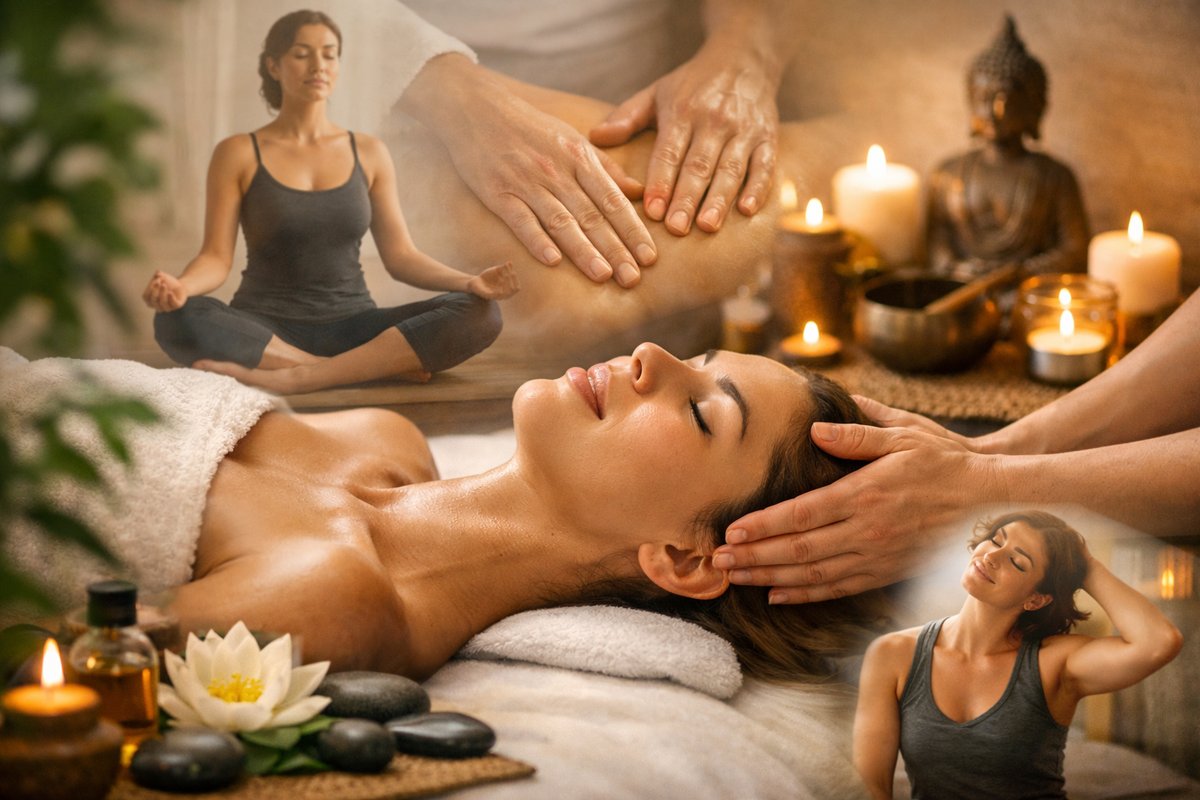

Why Wholistic Massage Matters for Whole-Person Wellbeing
In our fast-paced days, tension can settle into muscles, thoughts, and even our daily routines. Wholistic massage offers more than a single moment of relief-it invites a gentle exploration of how touch, breath, and awareness intertwine. By meeting your body and mind with curiosity rather than judgment, you begin to notice habits of holding stress and can learn simple ways to release them. This grounded practice honors your entire experience, from the senses in your skin to the rhythms of your breath.
Understanding Whole-Person Tension
Tension rarely lives in one spot. A tight jaw can accompany stiff shoulders; shallow breathing may mirror anxious thoughts. When we approach the body as a series of isolated parts, relief often feels temporary. A wholistic perspective encourages you to observe patterns: How does sitting at a desk affect your pelvis? Does your breathing change when you scroll on your phone? By cultivating awareness, you begin to separate where tension first arises and how it spreads, creating space to respond with calm intention.
The Power of Intentional Touch
At the heart of wholistic massage is intentional touch. This means using varied pressure, pace, and direction to invite the nervous system into a state of ease. Instead of pressing until you ”dig out” a knot, you explore gentle strokes along muscle fibers or circular motions around joints. Slow, steady strokes send signals through sensory receptors that can coax muscles to soften. Your hands become tools of both assessment and soothing: you learn to listen through touch and respond in kind.
Mindful Breathing and Gentle Movement
Combining massage with mindful breathing amplifies its calming effects. Before you begin any self-massage, take a moment to sit or lie down comfortably and notice your natural inhale and exhale. When you reach areas of tension, coordinate your strokes or holds with an exhale-imagining stress flowing out with each breath. You can also incorporate gentle movement: rotate an ankle, circle a shoulder blade, or lengthen your spine between strokes. These small shifts signal the body that it is safe to let go of habitual guarding.
Simple Self-Massage Techniques at Home
1. Neck and Upper Trapezius: Use your fingertips or a soft massage ball held in one hand. With gentle pressure, stroke from the base of the skull along the sides of your neck and down to the tops of your shoulders. Spend 1-2 minutes on each side, pairing slow strokes with exhalations.
2. Forearm Release: Rest your elbow on a table and place your other hand’s thumb along the inside of the forearm. Glide from wrist to elbow in long, even strokes. Swap sides and repeat. This can ease tension from typing or phone use.
3. Lower Back Support: Lie on your back with knees bent and feet flat. Place a small, firm cushion or rolled towel under your lower back. Breathe into your belly and allow each exhale to soften the muscles around your lumbar spine.
4. Feet and Ankles: Sitting comfortably, cup one heel in your hand and use your other thumb to make small circles along the arch. Move to the ankle and use gentle pressure along the bony ridge. Switch sides and finish by flexing and pointing the foot.
Evidence-Informed Benefits
Research in massage therapy underscores its role in reducing perceived stress, easing muscle soreness, and supporting restful sleep. Studies show that even brief, self-administered massage techniques can lower levels of cortisol, the body’s primary stress hormone, while boosting dopamine and serotonin, which promote feelings of wellbeing. By integrating breathing cues, you also engage the parasympathetic nervous system-your natural ”rest and digest” response. Over time, these subtle shifts can foster greater resilience and improved mood.
Bringing Wholistic Touch into Daily Life
Creating a small ritual around self-massage helps it become part of your routine. You don’t need a special room-just a few quiet minutes and a comfortable surface. Choose a natural carrier oil or unscented lotion to reduce friction, and if you like, add a drop of an essential oil blend known for calming qualities. Notice how the texture, temperature, and movement under your hands support a sense of grounded presence. Over days and weeks, these moments accumulate, helping you respond more skillfully when stress arises.
A Gentle Path Forward
Embracing wholistic massage is an invitation to explore your body’s signals and respond with kindness. There may be days when tension feels too tight to unravel quickly-on those days, even a minute of self-soothing touch paired with three slow breaths can be restorative. Keep curiosity at the center of your practice: notice what moves toward ease and what needs a different approach. In time, you’ll carry the calm of these small moments into your daily life, weaving mindful self-care into every gesture.
Each stroke of intentional touch can remind you that true balance is woven from both physical relaxation and emotional awareness. May this gentle approach guide you toward deeper ease and a sustained sense of wholeness.
-
Handcraft Blends Organic Castor Oil 16 Fl Oz | 100% Pure and Natural
100% PURE & NATURAL ORGANIC CASTOR OIL IN PLASTIC BOTTLE – Our USDA organic castor carrier oil is used for essential oils mixing, hair care skin care, ... -
Hyperice Hypersphere Vibrating Therapy Ball - Walmart.com
Upgraded Deep Muscle Tissue Massager: Back & Neck Massager for Pain Relief, Self-Use Massager Stick, Full Body Trigger Point Tool for Back, Neck & Shoulder ... -
Hyperice Hypersphere Vibrating Therapy Ball - Walmart.com
Upgraded Deep Muscle Tissue Massager: Back & Neck Massager for Pain Relief, Self-Use Massager Stick, Full Body Trigger Point Tool for Back, Neck & Shoulder ...