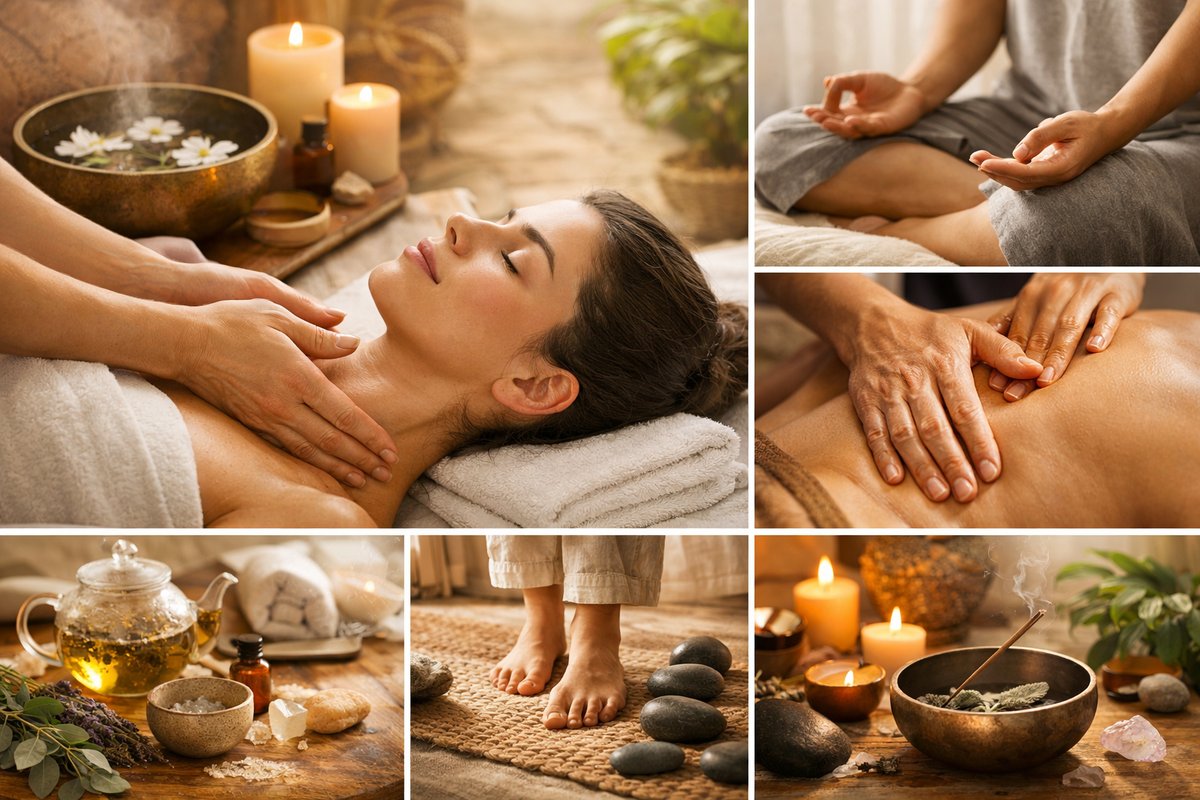

Why Wholistic Massage Matters for Whole-Person Wellbeing
Tension can settle in unexpected places: the base of the skull after a long workday, a tight band across the shoulders, or a restless mind replaying today’s to-do list. Wholistic massage invites you to pause and approach stress with curiosity and kindness. Rather than focusing on a single muscle or symptom, it honors how your posture, breath, daily routines, and emotional landscape all interweave. By blending gentle touch with mindful awareness and simple movement, you can ease physical knots and quiet mental chatter in tandem. The result is a gentle invitation to reconnect with your body, restore balance, and create a more grounded rhythm in daily life.
Mindful Breathing and Gentle Movement
Begin by finding a comfortable seated or reclined position-choose a firm chair, a supportive cushion, or the floor with a folded blanket under your hips. Close your eyes or soften your gaze. Place one hand over your heart and the other just below your ribcage. As you breathe in, feel your lower hand rise with the belly expanding. As you exhale, let the ribcage soften and the breath slip away smoothly.
Inhale for a count of four, pause briefly, then exhale for a count of six. This slightly extended exhale activates the body’s natural relaxation response. Repeat five to eight times, noticing any shift in the shoulders or jaw. Next, add gentle circles: on each exhale, draw your chin down toward the chest, and on each inhale, lift the chin halfway. Move slowly, matching the flow of breath. This synchronized pattern of movement and breathing encourages connective tissue to ease and the nervous system to settle.
Simple Self-Massage Techniques
Once your mind and breath feel more grounded, move into targeted self-massage. Warm a small amount of natural massage oil between your palms to create a soothing glide-this protects the skin and allows the touch to be feather-light or firm, depending on preference.
• Neck and shoulders: Tilt your head to the right, exposing the left side of the neck. Use gentle, circular strokes along the base of the skull and down toward the top of the shoulder. Avoid pressing directly on the spine. Switch sides after one minute. You can also knead gently along the trapezius muscle, using the heel of your hand in soft, rolling movements.
• Forearms and wrists: Extend one arm in front of you, palm up. With the opposite thumb, apply light pressure along the length of the forearm, moving from wrist toward elbow. Pause to circle the wrist joint in both directions. Switch arms.
• Hands and feet: Interlace fingers or lace toes, then bend and stretch each digit. Use thumbs to press gently into the center of the palm or sole-imagine tracing small spirals that encourage blood flow and release tension.
This practice takes five to ten minutes but can make a notable difference in how connected you feel to your own tissues and how much lighter your limbs feel.
Creating a Supportive Environment
A wholistic approach extends beyond hands and breath. The spaces where you live and work profoundly shape your sense of ease. Consider the following adjustments:
• Lighting: Soft, diffused light calms the nervous system. Swap harsh overhead bulbs for lamps or string lights with a warm glow.
• Sound: Curate a playlist of gentle instrumental or nature-inspired tracks. The sound of rainfall, wind in the trees, or distant waves can anchor you in the present.
• Aromas: A simple essential oil diffuser with lavender or cedarwood can add a layer of sensory comfort. Avoid overpowering scents and opt for single-note oils diluted in water.
• Textures: Keep a soft throw or plush cushion nearby for support during seated practice or rest. A memory-foam pillow under the knees can reduce low-back strain when you lie down.
These small changes reinforce the intention behind each self-massage and breathing session, signaling to your brain that it’s time to shift from action mode to rest and repair.
Evidence-Informed Benefits of Wholistic Touch
Research in massage therapy consistently shows benefits beyond momentary relaxation. Studies indicate that incorporating mindful touch and breath awareness can lower cortisol levels, a hormone linked to stress, and increase serotonin, a neurotransmitter associated with mood regulation. A randomized trial published in a reputable physical therapy journal found that participants who practiced self-massage combined with diaphragmatic breathing experienced a statistically significant decrease in perceived muscle stiffness compared with those who only used breathing exercises.
Another systematic review highlighted that gentle massage techniques, applied consistently over several weeks, can improve sleep quality, reduce anxiety scores, and boost overall quality of life. While individual results vary, the collective findings underscore that an integrated approach-one that considers emotional state, daily posture, and mindful touch-offers more sustainable relief than isolated interventions.
Integrating Wholistic Massage into Daily Life
Consistency is the key to lasting change. Here are simple ways to weave these techniques into your routine:
• Morning Ritual: Before rising, take two minutes to breathe in bed. Place your hands on the belly, lengthening the exhale to calm the mind.
• Midday Reset: At your desk, pause after two hours of work. Roll your shoulders back, shake out your arms, and spend three minutes on forearm self-massage.
• Evening Wind-Down: Create a five-minute pre-sleep massage routine for hands and feet. Follow this with a brief guided breathing exercise.
• Weekly Dedicated Practice: Set aside a 20-minute window on a weekend day. Combine full-body self-massage, mindful stretching, and a longer breathing session. Over time, you’ll cultivate a sense of inner ease that carries you through daily demands.
Inviting Mindful Self-Care and Body Awareness
Wholistic massage is ultimately an invitation to live with greater presence. The simple act of pausing, placing your hands on your own body, and breathing with intention can reconnect you to the subtle rhythms that sustain health and balance. There is no need for perfection-only a willingness to show up for yourself with curiosity and compassion. By building small, gentle practices into your day, you reinforce the message that your comfort, calm, and wellbeing matter.
Embrace these wholistic approaches to easing tension. Notice how your breath deepens, how your muscles soften, and how a renewed sense of harmony emerges in the spaces between busy moments. Each mindful touch is a step toward greater self-awareness and a more grounded, resilient presence in everyday life.
-
Skinsations - Unscented Massage Oil for Massage Therapy - 16oz
Fragrance-Free Formula with Fractionated Coconut Oil - Crafted for sensitive skin, this clean blend of Sweet Almond, Grapeseed, Jojoba, and Coconut (MCT) ... -
Jergens Ultra Healing Hand And Body Lotion Dry Skin Moisturizer ...
Jergens Ultra Healing Hand and Body Lotion for dry skin nourishes, penetrates five layers, and improves tone and texture with vitamins C, E, B5, ... -
REATHLETE FOLD Massage Gun | First-Ever Foldable Professional ...
Amazon.com: REATHLETE FOLD Massage Gun | First-Ever Foldable Professional Percussion Massager| Portable Wireless Massage Gun | Deep Tissue Pain Relief ... -
Hyperice Hypersphere Vibrating Therapy Ball - Walmart.com
Upgraded Deep Muscle Tissue Massager: Back & Neck Massager for Pain Relief, Self-Use Massager Stick, Full Body Trigger Point Tool for Back, Neck & Shoulder ... -
Ultimate Aromatherapy Diffuser & Essential Oil Set - Amazon.com
Change the vibe of your oil diffuser with customizable lights and four built-in timer settings. No detail has been spared to make your aromatherapy experience a ... -
SenseFlow Space Fragrance Diffuser SF101 - Citrus Bloom Noir
Buy SenseFlow Space Fragrance Diffuser SF101 - Adjustable Natural Atomizer Essential Oil Kit with 120-Day Long-Lasting Aroma, LED Light, Ideal for Home, ...