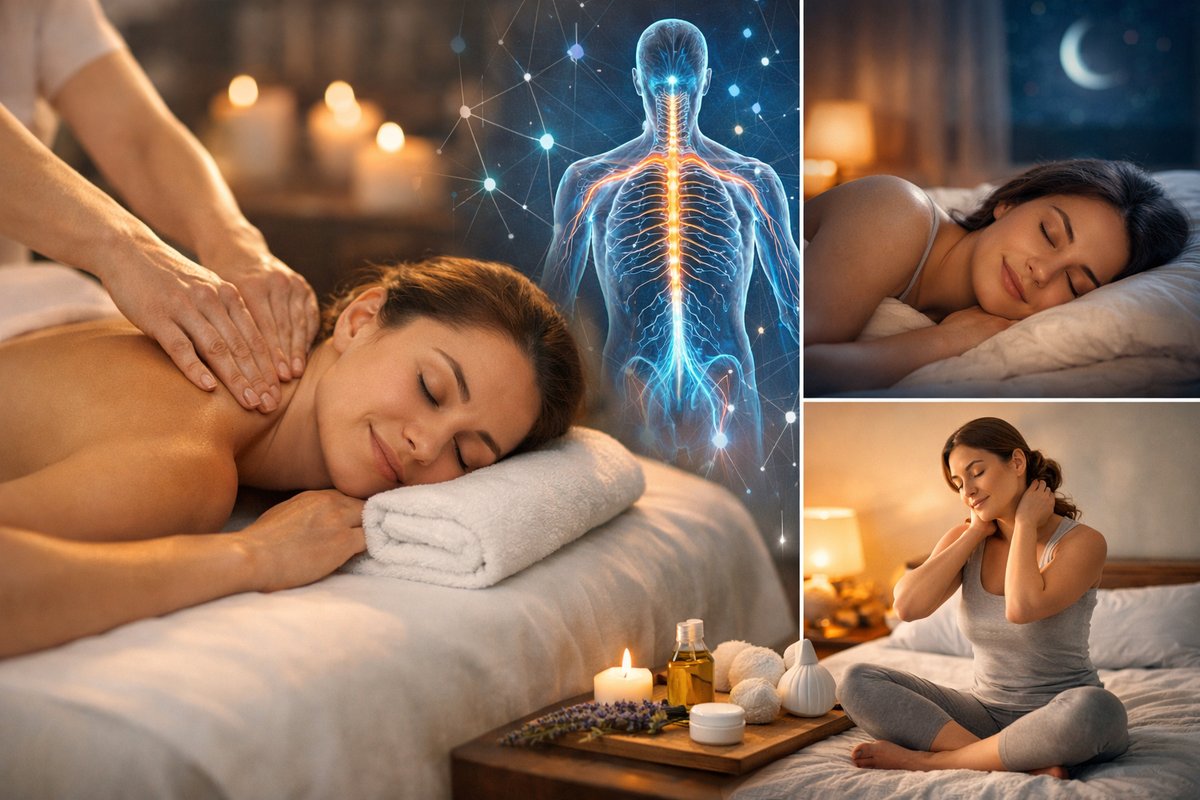

Warm Welcome to Your Body’s Potential
You likely feel the tension of your everyday life – deadlines, chores, the hum of technology keeping you on alert. Massage therapy offers a simple, grounding antidote that belongs in anyone’s self-care toolkit. A skilled therapist’s hands or a well-placed foam roller can transform the pull of tight muscles into a sensation of ease. More than a luxury, touch is a bridge connecting your mind and body, inviting you to notice how you hold stress and how you might let it go.
In both professional sessions and mindful self-massage, the warm glide of oil or lotion, the gentle pressure along tired shoulders, and the quiet focus on each inhale and exhale create a sanctuary of calm. These moments remind us that the body continuously speaks through sensation – a firm knot in the upper back, a tingling warmth as blood flow returns, a sigh that precedes deepening relaxation. Embracing massage therapy rooted in science and kindness can awaken your curiosity, enhance daily comfort, and support long-term well-being.
How Massage Eases Stress
Stress triggers a cascade of hormones, notably cortisol, that sharpen alertness but can leave muscles braced and the mind racing. Research shows that rhythmic, hands-on massage activates the parasympathetic nervous system – your body’s “rest and digest” response – which lowers heart rate and reduces cortisol production. In one study, participants who received just 15 minutes of moderate-pressure massage reported significant decreases in perceived stress and blood pressure.
To tap into these benefits at home, try a simple forearm massage: warm a few drops of neutral oil between your palms, apply gentle strokes from wrist to elbow, and then use your thumbs to make small circles on tense spots. Synchronize each movement with a slow, intentional inhale and exhale. Over time, this practice not only soothes physical tension but also trains your nervous system to shift out of fight-or-flight mode more readily.
Why Muscle Tension Responds to Manual Therapy
Muscle tension often manifests as “trigger points,” localized spots of hyperirritability within tight muscle fibers. When pressure is applied to these points, proprioceptors send feedback to the spinal cord, modulating pain signals and prompting surrounding muscles to relax. Deep-tissue strokes, performed with firm but mindful pressure, can break down adhesions that restrict movement and circulation.
Self-massage tools like foam rollers and massage balls offer a portable way to access these deeper layers. Begin by rolling slowly over a myofascial band, pausing where you encounter a tender knot. Once pressure feels steady, breathe into the spot for 30 to 60 seconds, feeling the tissue gradually soften. Always move at a pace that feels manageable – if discomfort spikes, ease off or shift to a different area.
Supporting Better Sleep Through Touch
A restless mind often goes hand-in-hand with a tense body. Light, soothing massage in the hour before bedtime can signal your brain that it’s safe to drift toward sleep. One clinical trial revealed that evening foot massages, combined with guided breathing exercises, helped participants fall asleep faster and enjoy fewer nighttime awakenings. The reflexology zones in the feet, when gently stimulated, engage pathways linked to relaxation and circulation.
You can replicate a mini bedtime ritual by focusing on areas that tend to hold tension, like the scalp, temples, and feet. Use gentle, circular motions with your fingertips or a soft silicone massager. Dim overhead lights, maintain a comfortable room temperature, and play soft, non-lyrical music. Small sensory cues like a touch of lavender-scented lotion or a warm foot soak beforehand amplify the calming effect, priming your body for restful sleep.
Exploring Different Massage Techniques
Massage therapy encompasses a spectrum of techniques, each with unique benefits:
- Swedish Massage: Characterized by long, gliding strokes and gentle kneading, it’s ideal for relaxation and circulation improvement.
- Deep Tissue Massage: Targets deeper muscle layers and connective tissue, helping break down chronic knots and adhesions.
- Trigger Point Therapy: Focuses on precise spots of tension, using sustained pressure to release tight bands of muscle.
- Myofascial Release: Involves slow, sustained pressure to stretch and soften the connective tissue that envelopes muscles.
Finding the right style often depends on your goals: relieve chronic back pain, recover after workouts, or simply unwind. Don’t hesitate to communicate openly with a therapist about pressure levels, areas to avoid, and desired outcomes. In a self-practice scenario, start gently and gradually adjust intensity as your comfort grows.
Circulation, Immunity, and Mood Uplift
The benefits of massage extend beyond muscle relaxation. As hands glide over the skin, blood vessels dilate, boosting oxygen and nutrient delivery to tissues while encouraging the removal of metabolic waste. Enhanced lymphatic flow supports the immune system by transporting white blood cells and clearing cellular debris. You may notice a light redness or warmth on the skin post-massage – a visible sign that circulation has ramped up.
Meanwhile, your brain releases endorphins and oxytocin, neurotransmitters that foster a sense of contentment and reduce perceptions of pain. Over time, regular massage can create a positive feedback loop: less tension leads to calmer nerves, better circulation feeds tissues more effectively, and you feel more inclined to maintain healthy habits like daily movement and hydration.
Practical Tips for Safe Self-Massage
Incorporate these guidelines to ensure a safe, effective self-massage routine:
- Warm Up First: A brief warm shower, heating pad, or warm towel wrap softens muscle fibers and improves tissue flexibility.
- Choose Quality Tools: Invest in a high-density foam roller, lacrosse massage balls, or a handheld massager with adjustable settings.
- Pace Yourself: Limit each session to five to ten minutes per muscle group to avoid overworking delicate tissues.
- Hydrate: Drink a glass of water before and after to support circulation and help flush metabolic byproducts.
- Listen to Your Body: Discomfort can signal therapeutic tension, but sharp pain or numbness means ease off or seek professional guidance.
Finding Professional Support
Self-massage is a valuable skill, but there are times when professional expertise makes a difference. Licensed massage therapists undergo extensive training in anatomy, contraindications, and specialized techniques. Whether you’re addressing persistent shoulder tightness from desk work, recovering from a sports injury, or managing the aches of pregnancy, a tailored session can accelerate progress. Verify credentials through recognized associations and don’t hesitate to ask about a therapist’s experience with areas relevant to your needs.
Encouraging a Habit of Self-Care
Consistency transforms occasional relief into lasting comfort. Block short self-massage intervals into your weekly schedule, much like you would for exercise or meditation. Stash tools in visible spots-your bedside, home office, or living-room coffee table-to prompt mini-breaks. Consider setting gentle reminders on your phone or pairing massage with activities you already enjoy, such as listening to an audiobook or following a guided relaxation track.
A Final Note on Mindful Body Awareness
Massage therapy is more than a physical intervention; it’s a form of communication with your body. By responding to each ache, knot, and sigh with intent and understanding, you honor your body’s intelligence and capacity to heal. Whether you seek stress relief, muscle recovery, better sleep, or an overall boost in well-being, the techniques outlined here offer a roadmap to greater comfort. Embrace touch as an ally, and cultivate a practice that nurtures both your body and mind every day.