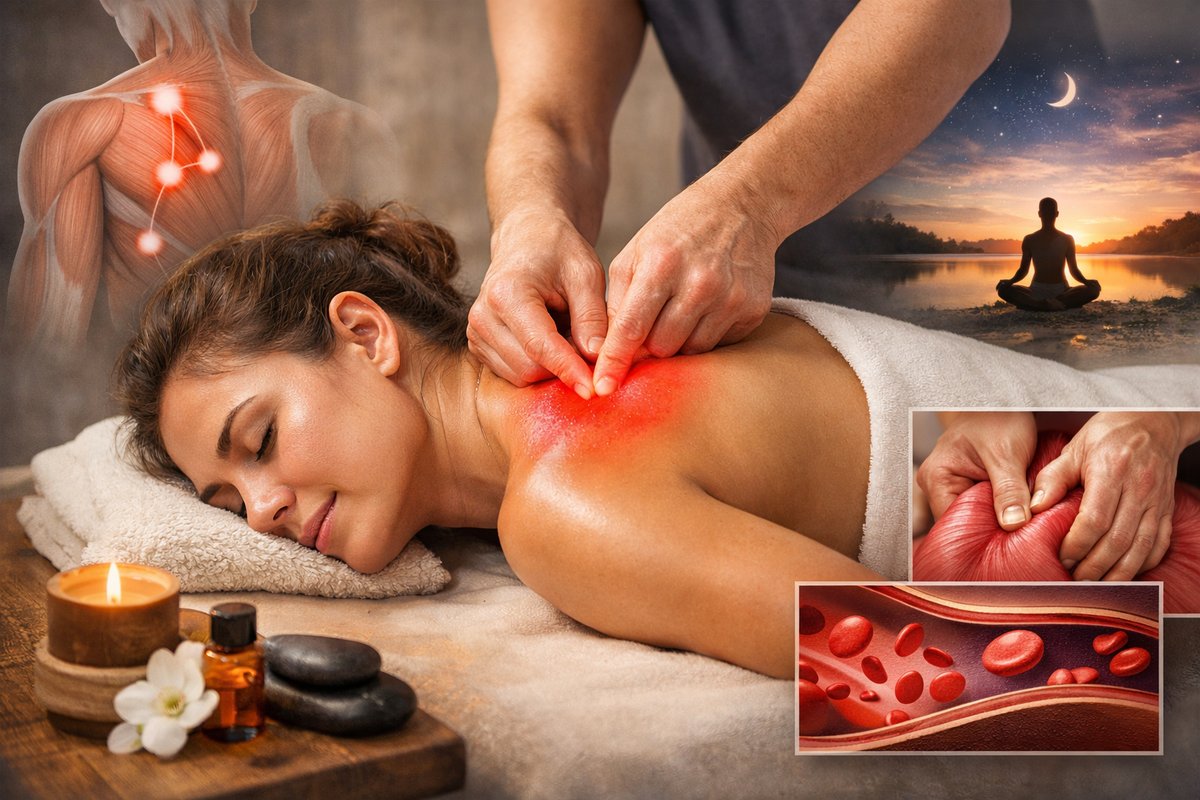

In modern life, many of us carry lingering muscle tightness from long hours at a desk, busy schedules, or emotional stress. Trigger point massage offers a practical, accessible way to loosen those stubborn knots and invite a sense of calm into everyday life. Rooted in research on manual therapy and muscle physiology, this approach can help unlock greater flexibility, ease built-up tension, and promote deeper sleep-without requiring a professional session each time.
A closer look at trigger points
Trigger points are small, hypersensitive spots in muscle fibers where stress, overuse, or poor posture has caused tissue to stiffen. When these nodes persist, they pinch nearby nerves and restrict local blood flow. You might recognize them as tight bumps you can feel along your neck, shoulders, or lower back. Science shows that applying targeted pressure to these spots encourages muscles to relax and improves circulation, while sending calming signals to your central nervous system.
Research in physical therapy journals highlights how gentle sustained pressure breaks the pain-spasm-pain cycle. That cycle begins when muscle fibers clench in response to discomfort, then stay locked until fresh oxygen and nutrients flow back in. Proper trigger point work helps restore that flow, loosens tension, and interrupts stress feedback loops in the brain that fuel anxiety.
Stress relief through manual pressure
Beyond local muscle release, trigger point massage influences the autonomic nervous system. Studies measuring heart rate variability demonstrate that slow, mindful pressure reduces sympathetic activity (the “fight or flight” response) while boosting parasympathetic tone (the “rest and digest” state). In practice, this shift can mean lower cortisol levels, a steadier pulse, and a gentle drop in blood pressure.
Whether you’re coming home after a busy day or waking before dawn feeling stiff, a short trigger point routine can offer quick relief. By focusing on a few key areas-like the upper trapezius along your shoulders, the muscles at the base of your skull, or the calves after a long walk-you access pockets of tension where stress often hides. Even five minutes of consistent, slow pressure can knock down pain signals and create a relaxed baseline that carries through the rest of your evening.
Practical techniques to try today
1. Tennis-ball release: Place a ball between your back and a wall. Stand tall, lean into the ball, and find a tender knot. Breathe slowly as you apply gentle pressure for 30-60 seconds until the soreness softens, then move to the next spot.
2. Seated thumb press: While seated upright, use your thumb to press the muscle between your shoulder blade and spine. Keep fingers anchored on the opposite side for stability. Hold for 20-40 seconds, release, then repeat if needed.
3. Self-foot massage: Sit in a chair and roll your foot over a small massage ball or foam roller, shifting weight until you encounter a sore patch. Pause and breathe into it. Work each foot for a few minutes to ease stress stored in the lower limbs.
4. Partner assisted stretch: If you have a willing friend or family member, lie on your stomach while they locate trigger points in your glutes or hamstrings. A light, sustained push followed by a gentle stretch helps restore muscle length and comfort.
Staying safe and mindful
Trigger point work is generally safe when performed with attention and care, but a few guidelines help you avoid over-treatment or discomfort:
• Go slow: Apply pressure gradually and hold rather than rub. Rushing can aggravate tissue.
• Use adequate support: A wall, rolled towel, or foam cushion can help you adjust intensity without straining other areas.
• Respect your limits: Mild to moderate soreness during or after a session is normal, but sharp pain, bruising, or dizziness are cues to lighten up or stop.
• Breathe and relax: Exhale as you press in to facilitate muscle release, and let the rest of your body soften.
If you have a pre-existing condition, injury, or persistent pain, consult a licensed massage therapist or physical therapist before diving into self-administration. Otherwise, these techniques can be woven into your daily routine, from a mid-day desktop break to a nighttime wind-down ritual.
Sensory-aware insights for deeper calm
To maximize the soothing effect, engage your senses:
• Aroma: Introduce a calming scent like lavender or chamomile with a drop of essential oil on your wrist or a nearby diffuser. Scents linked to relaxation can enhance the parasympathetic response.
• Warmth: A warm compress or heating pad placed just before a trigger point session raises local temperature, making tissue more pliable and receptive.
• Sound: Soft ambient music or gentle nature recordings can drown out distractions and anchor your attention in the body.
By creating a supportive environment, you not only ease muscle tension but also cultivate a ritual that signals to your mind and body it’s time to shift from high alert to restorative mode.
Mindful momentum
Integrating trigger point massage into your life can feel empowering. Over time, you’ll develop a keener sense of where you store tension and a mindful awareness that shifts you from reaction to response. A brief session after a stressful meeting or an impromptu thumb-press at your desk becomes a small act of self-care with measurable impact on your mood, posture, and overall stress levels.
Whether you have five minutes or twenty, trigger point massage brings proven muscle science into a user-friendly practice. With each deliberate breath and controlled press, you’re reminding yourself that relief is not a distant goal but a touch away.
In honoring this simple, grounded approach, you nurture both body and mind. Next time you feel the knot of tension building, give it your full attention: breathe into it, press into it, and invite relaxation to do its work. Over days and weeks, this mindful habit can translate into deeper rest at night, reduced aches during the day, and a resilient sense of ease that carries you through life’s demands.
Encourage yourself to explore these methods with curiosity and kindness. Be patient, stay present, and let the gentle power of trigger point massage guide you toward calmer shoulders and a more relaxed state of mind.