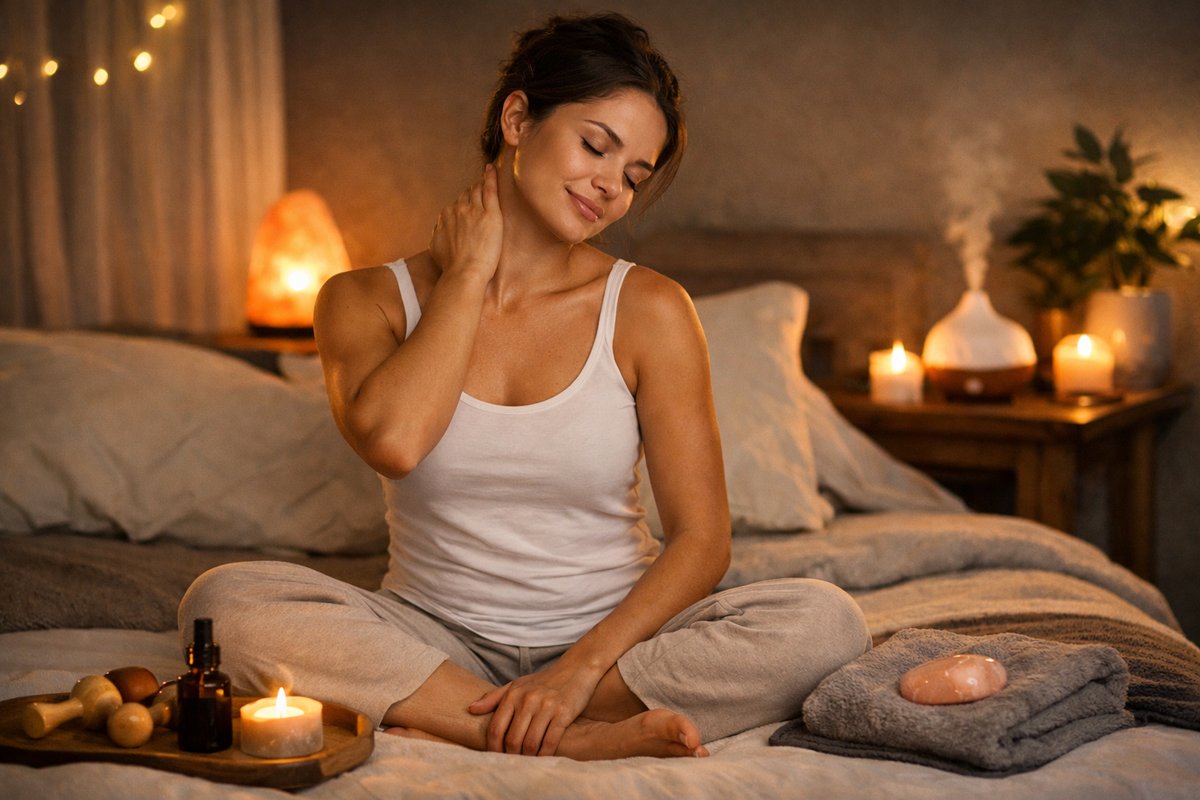

A Soothing Prelude to Rest
After a busy day, the body often holds on to tension in the neck, shoulders, and lower back. Left unchecked, this physical tightness can keep the mind alert and make it harder to drift into a quiet, restorative sleep. Evening self-massage rituals harness the power of touch to release built-up stress, lower heart rate, and invite a sense of calm. By turning simple techniques into a nightly habit, you can train your body to shift gears, transforming bedtime into a sanctuary of relaxation.
The Science of Touch and Stress Reduction
Touch stimulates pressure receptors in the skin, which send signals to the brain that encourage the release of feel-good neurotransmitters like dopamine and serotonin. In parallel, the body lowers production of the stress hormone cortisol. Studies have shown that applying moderate, rhythmic pressure to soft tissue activates the parasympathetic nervous system-the branch responsible for rest, digestion, and recovery. As your muscles soften, blood flow improves, carrying fresh oxygen and nutrients to fatigued fibers. This combo of chemical changes and enhanced circulation lays the groundwork for mental stillness and deeper sleep cycles.
Hands-On Techniques You Can Try Tonight
Start with a few minutes dedicated to each area of tension. Focus on breathing slowly and evenly as you work. Here are some accessible methods:
- Neck and Shoulders: Place your opposite hand on one side of the neck and press gently with your fingertips, sweeping in small circles along the base of the skull. Move outward toward the shoulders, pausing on any knots for 10-20 seconds.
- Cervical Release: Interlace your fingers behind your head, then let your head rest into your palms. Allow the weight of your head to sink in while maintaining gentle resistance with your hands for about 30 seconds.
- Upper Back Soothe: Using a massage ball or folded towel, lean your upper back against a wall and roll slowly, focusing on tender spots. Keep your spine aligned and inhale deeply as you roll over each tight patch.
- Lower Back Comfort: Lie on your back with knees bent. Place your thumbs just above the hips and press inward toward the spine (but not on the vertebrae). Hold gently for 15-20 seconds before sliding your thumbs lower. Breathe into each hold to encourage muscle release.
- Foot Reflex Ease: Wrap a soft ball, golf ball, or a smooth stone in cloth. Press the arch of your foot down and roll it slowly, spending special attention on any sore spots for at least 30 seconds per foot.
Creating a Calming Evening Routine
Set the stage for self-massage by dimming lights and choosing a quiet corner of your home. Incorporate sensory elements that signal “wind down.”
- Soft Lighting: Use a lamp with a warm bulb or a low-glow floor light. Avoid harsh overhead fixtures.
- Gentle Scents: A light mist of lavender or chamomile essential oil can foster relaxation. Diffuse sparingly so the scent doesn’t overwhelm.
- Comfortable Surface: A yoga mat with a plush blanket or a thick towel underneath offers cushioning and support for lying down or kneeling.
- Slow, Steady Music: Instrumental tracks with soft piano or nature sounds at a low volume can help regulate breathing and invite calm focus.
By repeating this sensory-rich setup each night, your brain learns to associate the environment with relaxation, making it easier to switch into a restorative state.
Safety Tips and Best Practices
- Go Slowly: Never force a stretch or press. If an area feels too painful, back off pressure or move to a neighboring spot.
- Stay Within Comfort Zones: Mild discomfort is normal when working out a knot, but sharp pain is a warning sign. Adjust your technique if you experience any jarring sensations.
- Hydrate: Massage increases blood flow. Sipping water before and after your routine supports healthy circulation and toxin clearance.
- Consult a Professional When Needed: If you consistently encounter severe tension or pain, a licensed massage therapist or physical therapist can offer targeted guidance beyond a self-care routine.
Bringing It All Together
As you finish your self-massage, take a moment to lie in stillness. Notice how your muscles feel softer against the surface beneath you. Breathe deeply, counting each inhale and exhale until your mind settles. Over time, this tactile bedtime ritual can become a powerful ally-not just for unwinding, but for building lasting body awareness. By weaving simple self-massage techniques into your evenings, you give yourself permission to let go of stress and prepare both mind and body for the rest you deserve.