
The Toll of Desk Work on Body and Mind
Most of us spend long stretches seated at a desk, eyes focused on screens, shoulders rounded forward. Over time, the neck, upper back, and shoulders bear the brunt of this posture-muscles tighten, circulation slows, and stress hormones surge. You might notice a nagging ache at the base of your skull or a clutch of knots between your shoulder blades by mid-afternoon. Left unchecked, that tension can spill over into headaches, fatigue, and disrupted sleep.
What Is Chair Massage and How It Works
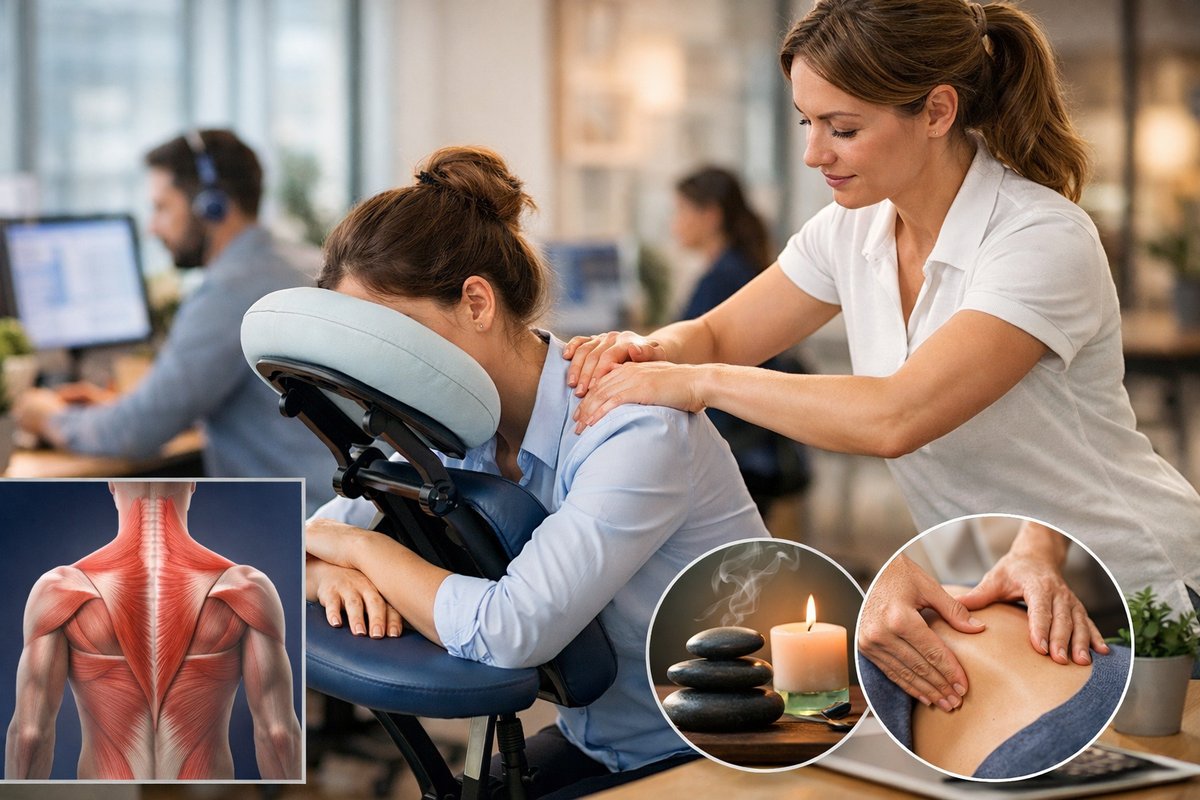
Chair massage is a form of manual therapy performed with you seated in a specially designed, portable chair that supports your torso and allows easy access to your head, neck, shoulders, back, and arms. The therapist uses gentle to moderate pressure, applying strokes, kneading, and pressure-point release-techniques grounded in traditional Swedish methods and modern myofascial science.
By kneading muscle tissue, chair massage helps realign muscle fibers, break down small adhesions, and stimulate blood flow. Improved circulation brings fresh oxygen and nutrients to tissues while flushing out metabolic byproducts. Simultaneously, pressure on certain points appears to signal the nervous system to dial down stress hormones like cortisol, creating a feeling of calm and mental clarity.
Evidence-Based Benefits of Chair Massage
Clinical studies support chair massage as a tool for workplace health. In one trial of office workers, participants who received biweekly 15-minute chair massage sessions reported significant reductions in perceived stress and neck-shoulder pain over four weeks. Heart rate variability-an indicator of balanced autonomic nervous system activity-improved by nearly 20 percent in the massage group, suggesting a real shift toward parasympathetic “rest and digest” mode.
Another small randomized study found that a single 10-minute session led to lower blood pressure and pulse, with participants describing immediate sensations of relaxation and mental focus. While more research will deepen our understanding, these findings underscore how a few minutes of targeted touch can yield both physical and psychological relief.
Practical Chair Massage Techniques You Can Experience Today
1. Find a quiet corner or schedule an on-site visit: If your workplace offers in-house massage or partners with visiting therapists, reserve a 10 to 15-minute slot. You’ll sit fully clothed in a supportive chair, face resting on a cushioned cradle, back exposed for access.
2. Communicate your focus areas: Let the therapist know if your neck feels tight, shoulders ache, or your forearms throb from keyboard work. A brief note on your main discomforts helps tailor the session.
3. Notice the sensory experience: As pressure moves along your traps and rhomboids, pay attention to the interplay of firmness and release. You may feel a warm spreading sensation as muscle fibers loosen. This sensory awareness not only enhances the physical benefit but signals your brain to settle into a more mindful state.
4. Breathe with each stroke: Inhaling deeply expands the rib cage, supporting spinal length. Exhaling allows you to soften into the chair, aiding deeper release under the therapist’s hands.
Safe Practices and Contraindications
Chair massage is generally safe for healthy adults, but a few precautions ensure comfort:
• If you have acute inflammation, open wounds, recent fractures, or serious cardiovascular conditions, consult a healthcare professional before booking any bodywork.
• Speak up if pressure feels too intense or if you sense pinching or sharp pain. A slight discomfort as knots release is normal, but true pain may signal bruising risk.
• Stay hydrated before and after your session. Hydration supports circulation and helps the body flush metabolic byproducts released during massage.
DIY Alternatives for Quick Tension Release
When a professional isn’t available, simple self-care steps can mimic aspects of chair massage:
• Foam rolling against a wall: Place a medium-density foam roller between your upper back and a wall. Lean in and roll slowly over tight areas, breathing evenly. Focus on areas that feel most tender.
• Tennis-ball release: Stand against a wall with a tennis ball trapped between your shoulder blade and the wall. Lean into the ball and rotate your torso gently until you find a tender spot, then hold pressure for 20 to 30 seconds.
• Seated self-kneading: Sit upright with feet flat on the floor. Cross your arms to hug opposite shoulders and use your fingertips to apply circular pressure along the base of your skull and tops of your shoulders. Breathe deeply as you work through areas of tension.
Integrating Chair Massage into Daily Routines
Short, regular massage breaks can become an essential tool in your self-care toolkit. Try these ideas:
• Micro-breaks every two hours: Even a two-minute self-release session at your desk-rolling out your upper back or doing fingertip kneading-can reset muscle tension and clear mental fog.
• Group chair massage events: Coordinate with colleagues or your HR department to schedule chair massage visits once a month. Shared experiences build team morale and normalize talking about stress relief.
• Pair with stretching: Follow up a massage session with a gentle neck-and-shoulder stretch routine to reinforce the muscle release and maintain newfound flexibility.
Encouraging Mindful Self-Care
Chair massage is more than a quick fix; it’s a reminder to listen to your body’s signals and honor the need for rest and attention. By carving out even a few minutes for targeted touch, you cultivate a habit of tuning in to how you feel and responding with kindness.
Embrace these short practices as an opportunity to build body awareness. Notice how your posture shifts when muscles relax, how your breath deepens, and how your mind clears. Over time, these moments of care become anchors of resilience in the midst of a busy day.
Make stress relief an active choice rather than an afterthought. Whether through professional chair massage, self-applied techniques, or a blend of both, you hold the power to break the cycle of tension and step back into ease. Your body-and your focus-will thank you.