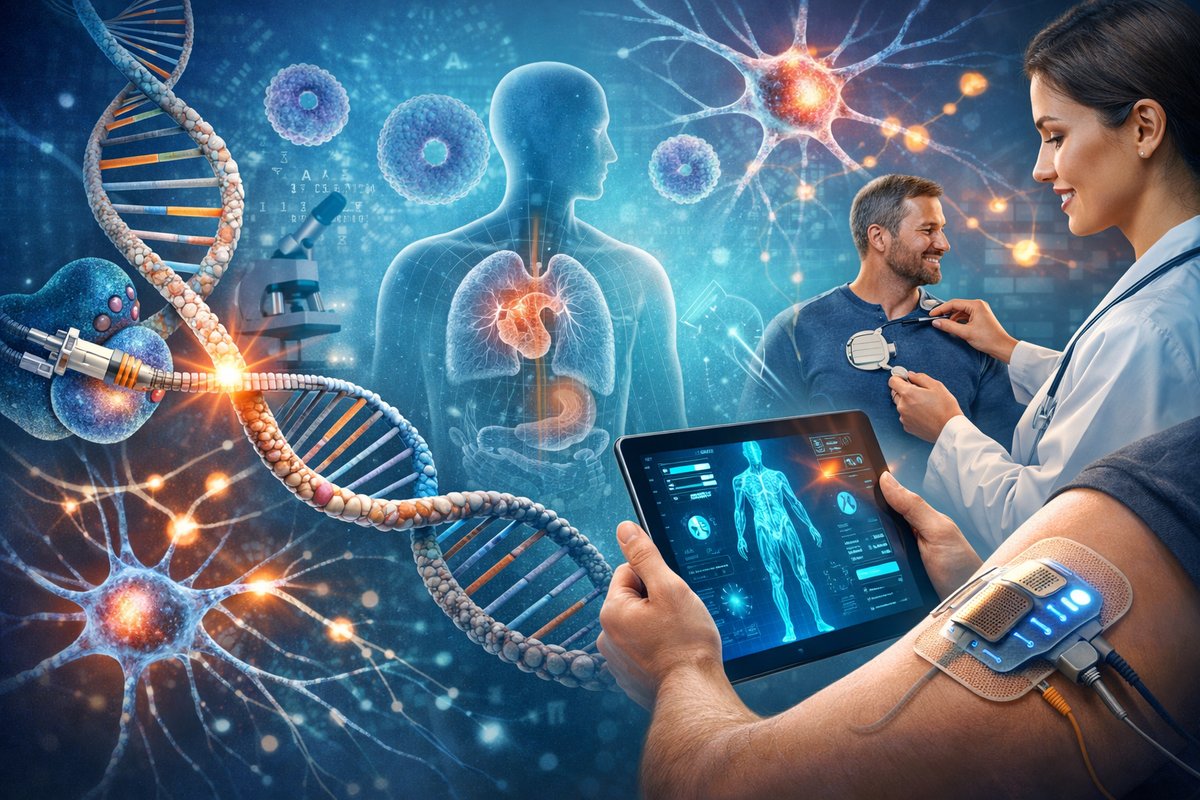

Chronic illnesses have long posed an enduring challenge for patients and healthcare systems alike. Conditions like diabetes, autoimmune disorders, and neurodegenerative diseases can demand years or even decades of careful management, often with limited relief from conventional treatments. Today, however, an array of frontier therapies is emerging. By harnessing advances in genetics, microbiology, bioelectronics and digital health, researchers and clinicians are turning what once seemed like distant possibilities into tangible medical realities.
Gene therapy stands at the forefront of this transformation. Early milestones involved rare single-gene disorders, but the technology has now matured. Virally delivered gene constructs can correct mutations that underlie conditions like sickle cell disease. In multiple clinical trials, patients who once required frequent transfusions have reached transfusion independence after a single infusion of genetically modified stem cells. Similar approaches are now under investigation for hemophilia, with preliminary data showing sustained clotting factor production.
CRISPR-based editing is another genetic innovation capturing widespread attention. Rather than adding new DNA, this method precisely tweaks or silences disease-associated genes. Clinical investigators are exploring CRISPR edits for inherited retinal diseases, enabling partial restoration of vision in otherwise progressive blindness. At the same time, novel CRISPR applications target liver diseases by editing genes involved in cholesterol metabolism, offering a one-time treatment option for patients at high cardiovascular risk.
Beyond human DNA, the trillions of microbes living within us have become a new frontier. Microbiome therapies deploy carefully curated bacterial strains to restore balance after months or years of inflammation. In ulcerative colitis and Crohn’s disease, encapsulated microbial consortia can settle into the gut lining, reducing flare-ups and mucosal damage. Similar microbial cocktails are under study for chronic fatigue syndrome, based on the hypothesis that immune-gut interactions play a central role in post-viral exhaustion.
Patient experiences illustrate the promise of these microbial approaches. One individual who struggled with lifelong inflammatory bowel disease reported markedly fewer painful episodes after daily doses of an oral microbiome formula. As the gut surface area stabilized, the patient needed lower doses of immunosuppressive drugs. While results vary, many participants in ongoing trials describe a renewed sense of bodily resilience and reduced reliance on high-risk medications.
Another point of innovation arises at the interface between electricity and biology. Bioelectronic medicine uses targeted electrical stimulation to modulate nerve pathways involved in inflammation, pain, and organ function. Implantable devices can deliver mild pulses to the vagus nerve, dialing down excessive immune responses in rheumatoid arthritis and Crohn’s disease. Early adopters have reported significant pain relief and improved joint mobility, enabling them to reduce corticosteroid use and its associated side effects.
In parallel, neuromodulation techniques are being tested for chronic migraines, fibromyalgia and diabetic neuropathy. Wearable patches or small chest-mounted units deliver transcutaneous electrical nerve stimulation (TENS) without the need for surgical implants. Users can adjust intensity levels via smartphone apps, tailoring sessions to their comfort and symptom severity. These at-home neuromodulation systems often yield rapid pain reduction, empowering patients to manage flare-ups without waiting for clinic visits.
Digital therapeutics are also redefining how chronic diseases are managed day-to-day. Unlike standard wellness apps, these FDA-cleared platforms deliver cognitive and behavioral interventions proven to alter disease trajectories. People with chronic insomnia can complete structured sleep training modules with real-time feedback, while those with hypertension follow guided breathing exercises calibrated to biosensor readings. The data-driven coaching helps patients build lasting habits, reducing medication dependence and lowering risk of complications.
The integration of continuous remote monitoring amplifies these digital programs. Wearable glucose sensors, for instance, transmit data every few minutes to cloud platforms that flag dangerous patterns before they escalate. An alert might prompt dietary adjustments, insulin dose tweaks or quick telehealth consultations. This level of proactive care not only prevents emergency admissions but also fosters a deeper sense of control and partnership between patients and care teams.
Even more experimental are therapies that blend biology with nanotechnology. Researchers are developing smart nanoparticles capable of homing in on inflamed tissue and releasing anti-inflammatory payloads directly where they are needed. Early animal studies show targeted nanoparticles can calm autoimmune reactions in multiple sclerosis models, reducing demyelination without systemic immunosuppression. Should these approaches translate successfully to human trials, they could revolutionize treatment by minimizing off-target effects.
Alongside these cutting-edge cures, improved supportive tools are accelerating healing and improving quality of life. Home blood pressure monitors with wireless connectivity allow hypertensive patients to track trends and share data automatically with their physicians. Portable nebulizers designed for asthma and chronic obstructive pulmonary disease (COPD) deliver fast-acting bronchodilators in minutes, restoring breathing comfort without a visit to the emergency department. And wearable fitness trackers, integrated with digital coaching, nudge individuals toward optimal levels of daily activity-key for conditions like type 2 diabetes, obesity and arthritis.
The emotional impact of these modern therapies cannot be underestimated. For decades, many individuals with chronic disease have spoken of the isolation and uncertainty that accompany a lifelong diagnosis. Today, new treatment options foster hope, community engagement and a renewed focus on holistic well-being. Online forums connect those undergoing similar advanced therapies, allowing them to share tips on side-effect management, travel planning and maintaining mental health during complex treatment regimens.
Of course, hurdles remain. The cost of gene and cell-based therapies can be steep, and long-term safety data are still evolving. Regulatory pathways must adapt to the unique challenges of living medicines and bioelectronic devices. Accessibility is another concern: equitable distribution depends on healthcare infrastructure, insurance coverage and practitioner training. Yet early collaborations between patient advocacy groups, technology companies and clinicians suggest workable models for reducing cost barriers and streamlining delivery.
As these groundbreaking cures become more mainstream, the focus is shifting from crisis intervention to sustained restoration of health. Personalized treatment plans now frequently combine genetic therapies, microbiome modulation and digital coaching-an integrative approach designed to address every facet of chronic illness. This convergence of disciplines signals a profound shift: chronic diseases may no longer be managed solely by symptom suppression, but by orchestrating deep biological repair and empowerment.
The journey from lab to bedside is rarely linear, yet the pace of progress in the past decade has been breathtaking. What began as ambitious research programs in specialized centers is now influencing standard care pathways around the world. Patients and providers alike are embracing these innovations with cautious optimism, mindful that each breakthrough brings new questions. How will lifelong gene edits affect aging? What are the ecological impacts of introducing engineered microbes? Can bioelectronic implants integrate seamlessly with future digital infrastructures?
These questions underscore the importance of ongoing research, rigorous clinical trials and open dialogue between stakeholders. Patient voices are being elevated in study design, ensuring that new therapies align with real-world needs and values. Ethical frameworks are evolving to guide decision-making around irreversible interventions and data privacy concerns. Meanwhile, global collaborations are sharing data across borders, accelerating understanding of how diverse populations respond to these novel treatments.
Looking ahead, the tapestry of chronic illness care is being rewoven with threads of biology, electronics and software. From single-injection gene therapies to app-delivered behavioral protocols, the goal is clear: transform chronic disorders into conditions that can be cured, managed or even reversed. For patients who have faced years of setbacks and compromises, this shift heralds a new era in medical possibility. As these modern miracles continue to unfold, curiosity, empathy and rigorous science will guide us toward a future where chronic illness is no longer a life sentence but a chapter of triumph and resilience.