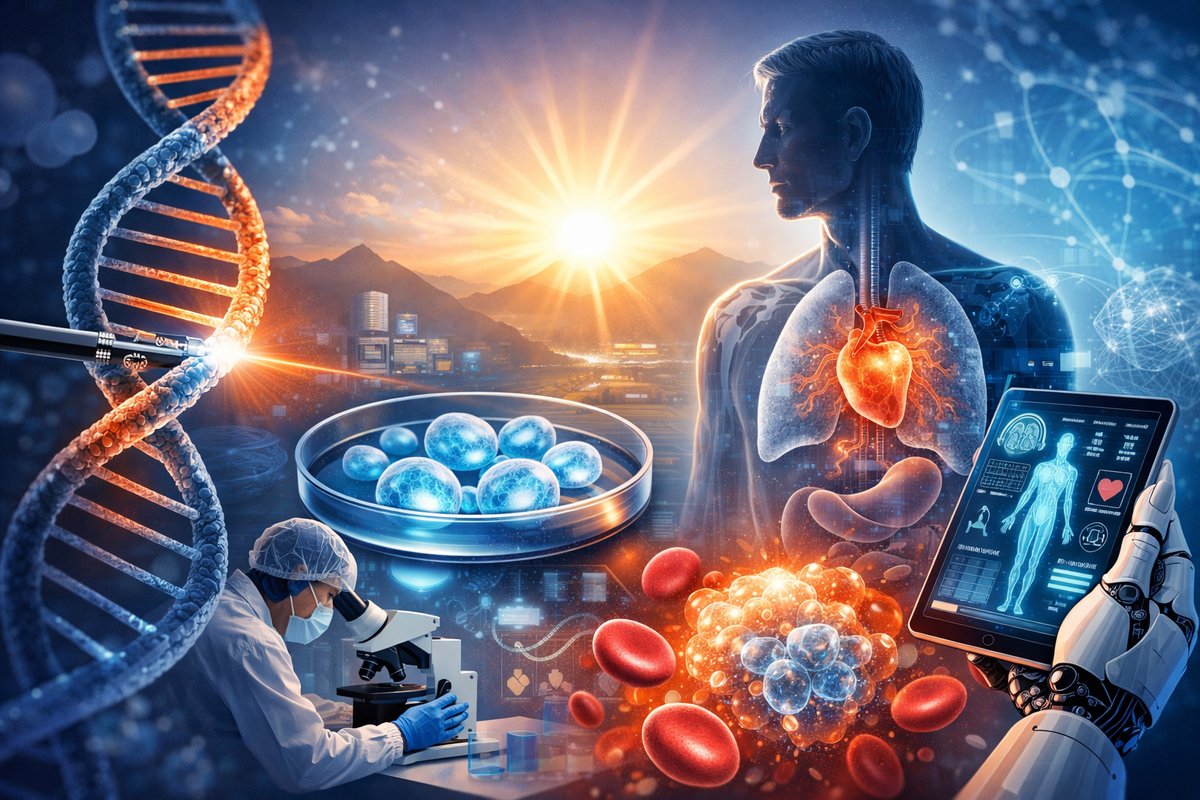

The landscape of chronic illness care has shifted dramatically in recent years. No longer limited to symptom management and palliative approaches, researchers are forging genuine cures that reach the root causes of conditions once considered irreversible. Patients with autoimmune disorders, genetic conditions, metabolic diseases and neurodegeneration are finding real promise in therapies harnessing gene editing, stem cells, mRNA delivery and advanced digital platforms. This article explores how these modern marvels are converging into a new era of sustained remission and potential cures for some of the most stubborn chronic illnesses.
Rare genetic disorders have long been prime candidates for gene therapy, where a single corrective change can restore normal function. Pioneering treatments for inherited blood diseases illustrate what is possible. In beta-thalassemia, scientists have modified patient-derived stem cells outside the body, inserting a functional copy of the defective gene before returning cells to the patient’s bone marrow. Similar ex vivo approaches for sickle cell disease employ CRISPR-based editing to reactivate fetal hemoglobin production, reducing painful crises. Early clinical trials have demonstrated transfusion independence and marked improvements in quality of life. These successes prove that for monogenic diseases, a one-off intervention can outperform decades of chronic medication.
Moving beyond single-gene targets, researchers are refining tools such as base editing and prime editing to tackle more complex genetic landscapes. Unlike earlier CRISPR methods that rely on creating DNA breaks, base editors directly switch one nucleotide to another, reducing off-target risks. Prime editors expand the range of corrections even further, enabling insertions, deletions and all types of base substitutions. Although still in early human testing, these precision editors have shown promise in animal models of polygenic cardiovascular conditions and metabolic syndromes. If safety and efficacy hold up in human trials, these technologies could transform treatment of diseases previously deemed too complicated for gene correction.
Stem cell therapies are another pillar of modern cures. Mesenchymal stem cells, sourced from bone marrow or adipose tissue, exhibit immunomodulatory and regenerative properties. Injected or infused, they can suppress harmful inflammation in conditions like rheumatoid arthritis and Crohn’s disease. More dramatic results have emerged from hematopoietic stem cell transplants for multiple sclerosis patients. By rebooting the immune system, some patients achieve years of disease-free remission. Meanwhile, induced pluripotent stem cells (iPSCs) are being coaxed into specialized cell types to repair damaged tissues-from insulin-producing pancreatic cells to dopamine-generating neurons-offering tailor-made regenerative solutions for diabetes and Parkinson’s disease.
Regenerative medicine has also embraced three-dimensional bioprinting. Layer by layer, living cells are assembled into cartilage implants for osteoarthritis, customized heart valve scaffolds and patches for spinal cord injuries. Early human trials using bioprinted cartilage in knee joints show encouraging signs of pain reduction and improved mobility. In parallel, decellularized organ matrices repopulated with patient cells hold promise for lab-grown kidneys and lungs. While fully functional printed organs remain on the distant horizon, proof-of-concept studies underscore how tissue engineering could ultimately eliminate transplant waiting lists.
Messenger RNA therapies have joined the ranks of modern miracle cures. Beyond vaccines, lipid nanoparticle delivery of mRNA encoding missing or defective proteins is under development for rare metabolic disorders. In one case, an mRNA therapeutic delivered the enzyme needed to break down toxic metabolites, normalizing biochemical markers in early trials of an inherited enzyme deficiency. Unlike traditional gene therapy, mRNA does not integrate into the genome, offering a potentially safer, transient expression that can be fine-tuned with dosing schedules. As delivery systems improve, mRNA platforms could address dozens of monogenic and multifactorial diseases without permanent genomic modification.
The gut microbiome has moved from fringe curiosity to therapeutic frontier. Fecal microbiota transplantation (FMT) is now an FDA-approved cure for recurrent Clostridioides difficile infection, a condition that devastated thousands of patients each year. Building on that success, researchers are formulating defined microbial consortia to treat inflammatory bowel disease, type 1 diabetes and even multiple sclerosis. Early pilot trials show that rebalancing gut bacteria can quench chronic inflammation and improve insulin regulation. As sequencing and metabolomic profiling become more accessible, personalized microbiome interventions are likely to complement pharmaceutical approaches, offering a germ-based cure for gut-linked chronic diseases.
Software-based therapies are also claiming their place in the cure toolkit. Digital therapeutics-regulated apps and programs delivered on smartphones-can retrain neural circuits in chronic pain and psychiatric conditions. Cognitive behavioral therapy apps for depression, anxiety and insomnia have achieved measurable symptom relief comparable to in-person counseling. In chronic pain syndromes, virtual reality programs that alter pain perception pathways have enabled opioid reduction and improved function. Meanwhile, remote patient monitoring platforms consolidate wearable sensor data and engage AI-driven coaches to optimize lifestyle interventions, turning continuous care into proactive cure maintenance.
Artificial intelligence and predictive analytics are accelerating cure discovery and personalization. Machine learning models mine millions of patient records to identify biological signatures that predict response to specific treatments. These insights guide both drug repurposing initiatives and novel target discovery for stubborn conditions like fibromyalgia and chronic kidney disease. Algorithms can also forecast disease flare-ups weeks in advance, triggering preemptive interventions that prevent irreversible tissue damage. By integrating clinical, genomic and behavioral data, AI enables a precision approach where treatments are deployed only when needed, reducing side effects and maximizing effectiveness.
Wearable health technologies have matured into indispensable tools for managing and curing chronic conditions. Continuous glucose monitors track blood sugar in real time, allowing gene therapy researchers to quantify improvements in metabolic control without frequent finger sticks. Smart insulin delivery systems, paired with closed-loop algorithms, automate dosing for people with diabetes, significantly decreasing hypoglycemic episodes. Cardiac patients benefit from wearable ECG patches that transmit arrhythmia data to care teams, speeding up diagnosis and enabling timely ablation procedures. These devices not only empower patients but also feed rich data back into research pipelines, hastening the development of next-generation cures.
The promise of personalized medicine hinges on reliable biomarkers. Liquid biopsies that detect circulating tumor DNA are already transforming cancer care, catching relapses at the molecular level before clinical symptoms emerge. In autoimmune disorders, panels of cytokines and cell-surface markers are under evaluation to predict which biologic therapies will induce long-term remission. Coupled with digital phenotyping-capturing sleep, activity and mood patterns via smartphone sensors-clinicians can tailor treatment regimens to each patient’s unique disease trajectory, increasing the odds of durable cure and cutting unnecessary medication exposure.
Despite these breakthroughs, hurdles remain. Regulatory pathways for gene and cell therapies are still evolving, requiring new frameworks to assess long-term safety and durability. Pricing models for single-administration cures strain traditional reimbursement systems, sparking debates over value-based contracts and annuity-style payments. Equitable access is a pressing concern, as advanced therapies tend to launch at specialized centers in wealthier regions. Ethical questions around germline editing and data privacy also loom large, demanding robust governance to ensure that cures do not come at the cost of societal trust.
Looking ahead, the convergence of biology, engineering and data science promises to democratize cures for chronic illness. Open-source platforms and preprint repositories accelerate knowledge sharing, while decentralized clinical trials make participation easier for patients in remote communities. Emerging areas such as epigenetic reprogramming and synthetic biology hold potential to rewire disease mechanisms at a fundamental level. As the boundaries between therapy and cure continue to blur, patient empowerment becomes essential; informed individuals can partner with clinicians to navigate complex choices and advocate for equitable treatment access.
We stand at a pivotal moment in healthcare history. Advances that once lived in science fiction journals are now driving clinical breakthroughs. Although challenges remain-regulatory, economic and ethical-the arc of innovation is clear: chronic illnesses once managed forever may soon be conquered. By embracing interdisciplinary collaboration, prioritizing patient-centered design and maintaining unwavering curiosity, the medical community can keep pushing toward a future where cure is not just an aspiration, but an expectation.