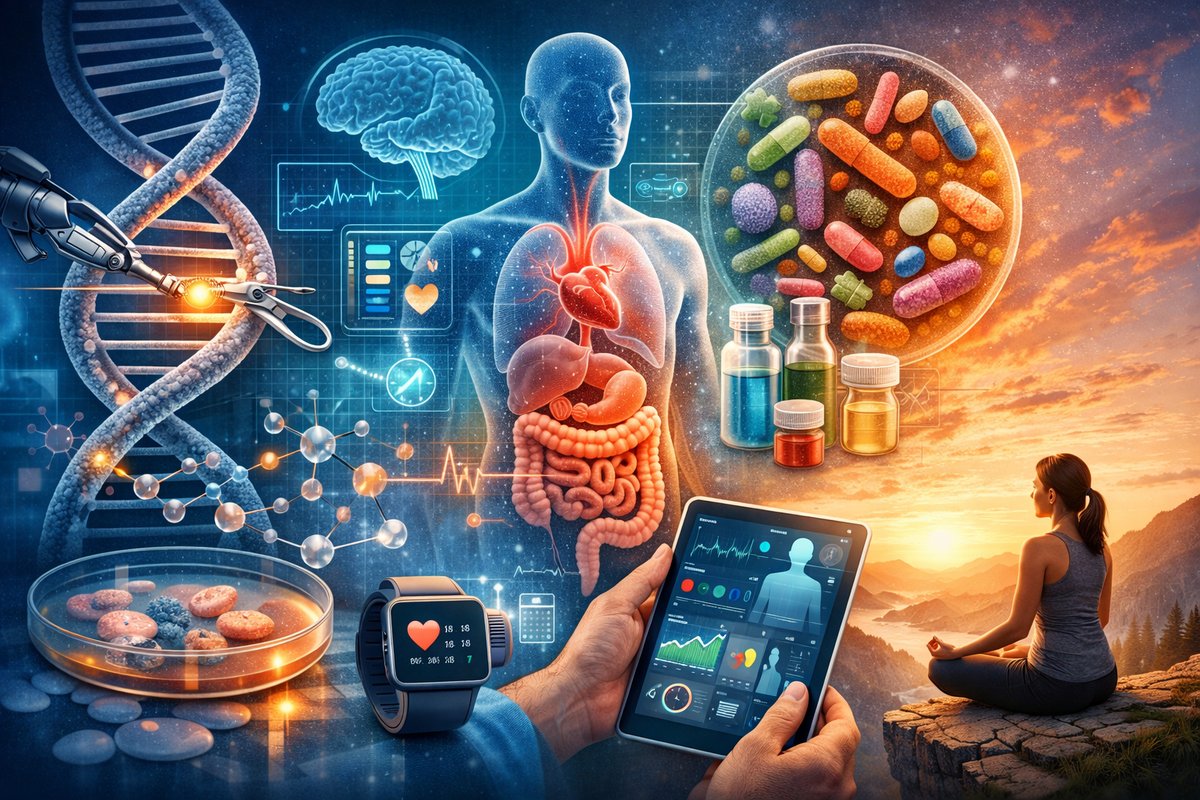

The landscape of chronic illness care is undergoing a profound transformation. Conditions once managed solely through lifelong medication regimens or invasive procedures are now meeting advanced therapies born from breakthroughs in genetics, immunology, and digital technology. As research accelerates and precision medicine takes center stage, patients and clinicians alike are witnessing treatments that target root causes, harness the body’s own repair systems, and tailor interventions to individual biology. This shift offers a roadmap toward durable remissions, reduced side effects, and enhanced quality of life for millions living with conditions such as diabetes, rheumatoid arthritis, multiple sclerosis, and inflammatory bowel disease.
Gene Editing’s Golden Age
At the heart of many modern miracle cures is the revolutionary CRISPR-Cas9 gene editing platform. By precisely snipping out faulty DNA sequences and inserting corrected segments, researchers have already initiated human trials aiming to reverse the genetic defects underlying sickle cell disease and certain forms of inherited blindness. Beyond inherited disorders, experimental work is exploring CRISPR’s potential against complex immune-mediated conditions. Early-stage studies have demonstrated that engineered immune cells, stripped of problematic gene variants, can be reintroduced to the body without triggering harmful overreactions. This strategy opens doors to permanent relief for select patient populations, moving us closer to one-time treatments that obviate decades of symptomatic management.
Immunotherapy’s Next Frontier
Monoclonal antibodies revolutionized cancer care by flagging malignant cells for immune destruction. Now, similar tactics are reshaping therapies for chronic inflammatory diseases. Biologic agents that neutralize specific inflammatory molecules-like interleukin-5 in severe asthma or tumor necrosis factor in rheumatoid arthritis-have delivered dramatic symptom reduction and, in many cases, halted disease progression. The latest generation of bispecific antibodies can bind two different targets simultaneously, offering a dual-action approach that minimizes immune escape. Meanwhile, engineered cell therapies are emerging to reprogram immune responses in conditions such as lupus and multiple sclerosis, steering white blood cells away from healthy tissue attacks and toward repair pathways.
Microbiome Modulation: Healing from Within
Once an overlooked aspect of chronic illness, the gut microbiome is now recognized as a master regulator of immune balance, metabolism, and even mood. Fecal microbial transplants have shown promise for recurrent infections and early trials are assessing their impact on inflammatory bowel disease. Beyond transplants, precision prebiotics and targeted bacterial consortia are being designed to replenish missing microbial functions in patients with obesity, type 2 diabetes, and autoimmune disorders. Advances in sequencing technologies allow clinicians to map individual microbial ecosystems in detail, then craft bespoke interventions-ranging from tailored dietary supplements to engineered probiotic strains-that support long-term stability and promote anti-inflammatory environments in the gut.
Digital Health and Wearable Alchemy
The fusion of real-time data tracking with artificial intelligence is empowering both patients and providers. Wearable glucose monitors now offer continuous blood sugar readings for people with diabetes, feeding algorithms that predict highs and lows hours in advance. Smart inhalers and connected joint sensors provide objective measures of asthma control and arthritis flare-ups, enabling care teams to adjust therapy before symptoms escalate. Telehealth platforms integrated with remote monitoring devices are closing the feedback loop, allowing clinicians to intervene promptly and personalize treatment plans. This data-driven approach not only enhances clinical precision but also fosters patient engagement, as individuals gain immediate insights into how lifestyle factors influence their chronic conditions.
Integrative Holistic Strategies
While high-tech interventions garner headlines, the role of lifestyle medicine remains indispensable. Mind-body practices like meditation, yoga, and biofeedback have demonstrated measurable benefits for pain reduction, immune regulation, and stress resilience in chronic illness. Nutritional therapies-emphasizing anti-inflammatory foods, micronutrient optimization, and time-restricted eating-complement pharmacologic regimens and may enhance drug efficacy. Physical rehabilitation programs tailored to individual ability levels improve functional outcomes in multiple sclerosis and rheumatoid arthritis. By combining these evidence-based modalities with precision therapies, care teams are building comprehensive regimens that address the physical, emotional, and social dimensions of long-term health.
Challenges on the Horizon
Despite these advances, barriers remain. High development costs and complex manufacturing processes for gene and cell therapies drive prices into the six-figure range, limiting access for many patients. Long-term safety profiles are still being established, particularly for interventions that permanently alter genetic material. Regulatory frameworks struggle to keep pace with scientific innovation, and ensuring equitable distribution across diverse populations is an ongoing concern. Digital health solutions face hurdles around privacy, data interoperability, and reimbursement models. Addressing these challenges will require collaborative efforts among researchers, policymakers, and patient advocacy groups to create sustainable pathways from lab to clinic.
A Horizon of Hope
The fusion of molecular science, advanced data analytics, and integrative care models is forging a new era in chronic illness treatment-one defined less by symptom suppression and more by genuine disease modification and holistic well-being. As emerging therapies complete pivotal trials and digital tools become more user-friendly and affordable, the average patient’s journey could shift from managing daily flare-ups to celebrating long-term stability and renewed vitality. This evolution is more than medical progress; it represents an opportunity to reshape narratives around chronic illness, fostering empowerment, resilience, and optimism for everyone living with persistent health challenges.