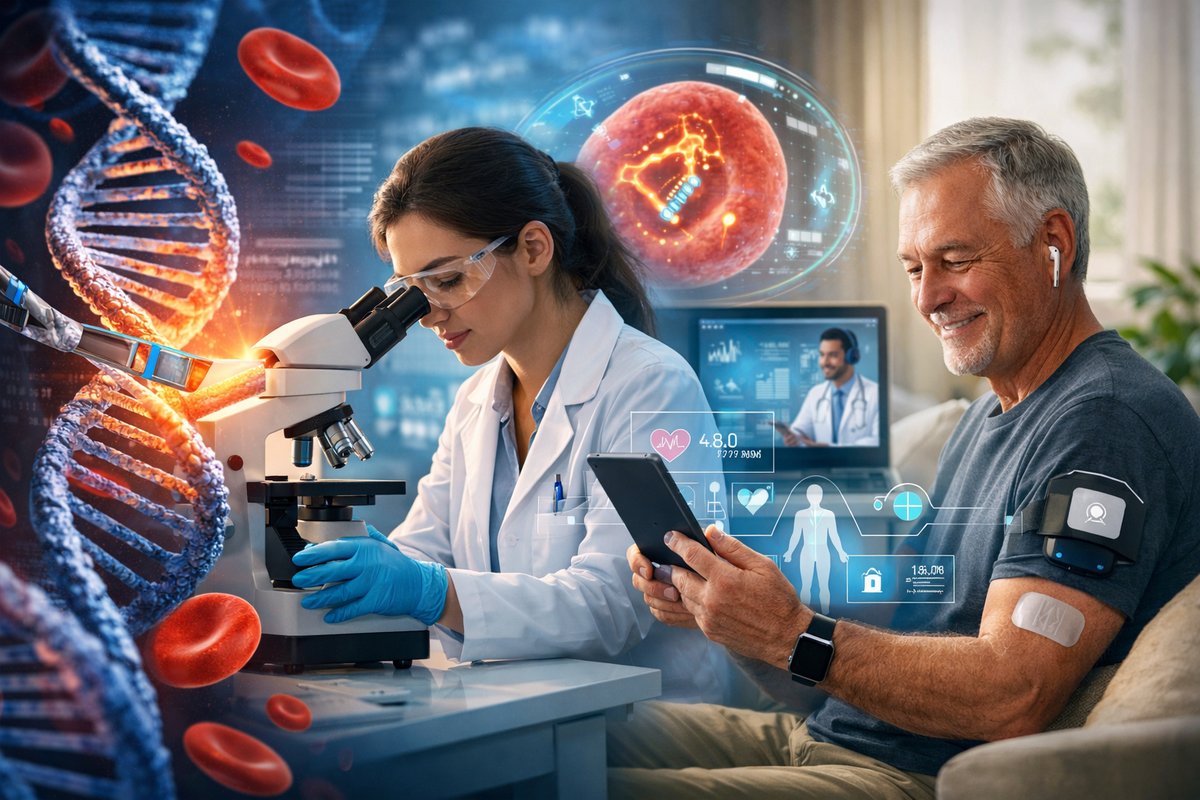

Chronic illnesses-ranging from diabetes and autoimmune disorders to respiratory conditions and degenerative diseases-have long placed heavy demands on patients, families and healthcare systems. For decades, treatment revolved around symptom control: daily medications, lifestyle adjustments and supportive therapies that aim to keep people functioning but rarely offer a true cure. Today, however, an array of modern interventions is shifting that paradigm. Cutting-edge strategies now target root causes, harnessing advances in genetics, immunology, microbiology, digital platforms and regenerative science to deliver durable or even permanent remission for conditions once deemed lifelong.
The most celebrated frontier in this revolution is gene editing. Techniques such as CRISPR-Cas9 enable clinicians to precisely snip and repair defective DNA sequences behind inherited disorders. In trials for sickle cell disease and beta-thalassemia, patients have received gene-edited stem cell infusions that permanently correct the hemoglobin mutation. Within months, many experience normal red blood cell production and the end of painful crises, freeing them from transfusions or chronic pain. Similar work is underway for hereditary vision loss, select metabolic syndromes and rare immunodeficiencies.
Gene therapy adoption depends on a multistep process. First, a patient’s stem cells are harvested, typically from bone marrow or peripheral blood. In a specialized lab, CRISPR machinery is delivered to excise or replace the faulty gene. The edited cells expand in culture before being infused back. Over weeks, they engraft in the patient’s bone marrow and begin producing healthy tissue or proteins. Data so far show high durability and a safety profile that grows stronger as off-target effects become rarer.
Immunotherapy, once celebrated primarily in cancer care, has also moved into chronic inflammatory and autoimmune realms. Treatments like CAR-T cell therapy can be retooled to attack misdirected immune actors driving rheumatoid arthritis or lupus. Monoclonal antibodies-engineered proteins that bind specific immune receptors-have provided targeted suppression for multiple sclerosis, psoriasis and inflammatory bowel disease. By dialing back the inflammatory cascade at precise molecular nodes, these biologics can deliver profound disease quiescence rather than general immune suppression.
Monoclonal antibodies work by recognizing unique markers on immune cells or signaling molecules. A patient receives an intravenous infusion or subcutaneous injection of the antibody, which then travels through the bloodstream. Upon binding its target-whether a specific cytokine or cell receptor-it blocks harmful signaling pathways. Response rates often exceed 70 percent for moderate to severe conditions, and side effects are typically milder than those seen with broad-spectrum immunosuppressants.
Another transformative approach involves the microbiome. Decades of research have revealed how gut bacteria influence immunity, metabolism and even neurological health. Fecal microbiota transplantation-the transfer of stool from a healthy donor-has successfully treated stubborn cases of recurrent Clostridioides difficile infection, and early trials suggest benefit in ulcerative colitis, irritable bowel syndrome and metabolic syndrome. Precision-engineered probiotic blends, customized to a patient’s microbial profile, are also moving through clinical evaluation.
By reshaping the gut ecosystem, microbiome therapies aim to restore balance to a population of bacteria, fungi and viruses. Healthy microbes can outcompete harmful ones, produce beneficial short-chain fatty acids, modulate gut-brain signaling and calm intestinal inflammation. Patients often report improvements in energy levels, mood and gastrointestinal comfort within weeks of treatment.
Regenerative medicine holds promise for conditions where tissue loss is irreversible-think spinal cord injury, osteoarthritis or heart failure. Stem cell-derived implants and bioengineered scaffolds can replace damaged cartilage, generate new blood vessels in ischemic tissue or even rebuild segments of damaged heart muscle. In controlled trials, adults with knee osteoarthritis have experienced significant pain relief and improved joint mobility following injection of mesenchymal stem cells derived from bone marrow or adipose tissue.
Tissue engineering takes things a step further, combining patient-derived cells with biodegradable scaffolds to grow complex organs. While full organ replacement remains on the horizon, lab-grown heart patches that integrate with native tissue have begun early human studies for heart attack recovery. Retinal implants seeded with photoreceptor cells show potential to restore light perception in degenerative eye diseases.
Meanwhile, digital health tools have become indispensable in chronic care. Continuous glucose monitoring systems wirelessly relay blood sugar data in real time, alerting users to dangerous highs or lows. Wearable pulse oximeters and smart blood pressure monitors connect to smartphone apps, allowing patients and clinicians to track vital signs remotely and intervene before emergencies arise. Telemedicine platforms and AI-driven diagnostics ensure expert input even in underserved areas.
Artificial intelligence can scan medical images, lab results and patient diaries to predict disease flares or medication responses. Personalized dashboards help patients visualize progress toward targets-whether hemoglobin A1c, joint function scores or lung capacity-and adjust diet, exercise and therapies accordingly. Virtual coaches provide on-demand guidance for breathing exercises, mindfulness or customized rehabilitation plans.
Innovations extend beyond hardware and software. Virtual reality is emerging as a potent tool for chronic pain management and mental health support. Immersive VR environments can reduce perceived pain intensity during flare-ups, alleviate anxiety in autoimmune conditions and retrain neural pathways in post-stroke rehabilitation. Meanwhile, epigenetic therapies that tweak gene expression without altering DNA sequences are entering clinical trials for conditions like pulmonary fibrosis and systemic sclerosis.
Nanotechnology offers another layer of precision. Microscopic drug carriers can target inflamed tissues, cross the blood-brain barrier or deliver drugs directly into immune cells. By packing chemotherapy into lipid nanoparticles, researchers have achieved powerful anti-inflammatory effects while avoiding systemic toxicity-opening doors to safer treatments for diseases such as multiple sclerosis.
Amid these high-tech solutions, holistic care remains crucial. Personalized nutrition plans, anti-inflammatory diets and expert-guided exercise protocols support the body’s healing environment. Integrative medicine clinics combine acupuncture, mind-body therapies and functional medicine assessments to address stress, sleep and gut health-factors that can significantly influence outcomes in chronic disease.
Equitable access and cost remain significant challenges. Many of these breakthrough therapies carry hefty price tags and require specialized centers for administration. Policymakers and industry leaders are debating models for fair pricing, insurance coverage and global distribution. Public-private partnerships and outcome-based payment arrangements aim to ensure that breakthroughs benefit all patients, not just those who can afford top-tier care.
Patient empowerment and peer networks have risen alongside these therapies. Online support communities share real-world experiences with gene infusions, probiotic regimens and digital monitoring tools. Patient advocates play an active role in trial design, helping researchers focus on meaningful quality-of-life measures and ensure that comfort, convenience and mental health remain central.
Sustainability also factors into this new era. Biotech companies are exploring greener manufacturing processes for biologics, minimizing plastic waste in delivery systems and adopting energy-efficient cold-chain storage. The goal is to harness advanced science without leaving a heavy environmental footprint.
As we look ahead, synthetic biology, smart implants and biohybrid devices promise further leaps. Imagine living sensors that release medication only when needed, nano-robots that patrol blood vessels to clear plaques, or lab-grown organoids that repair themselves and integrate with native tissue. While these ideas sound like science fiction, prototypes are already under development.
Ultimately, the narrative of chronic illness is shifting from endless management to genuine recovery. Modern medicine’s arsenal-gene editing, immunotherapy, microbiome restoration, regenerative implants and digital platforms-offers a mosaic of strategies that address root causes and empower patients. The path forward blends scientific rigor with patient-driven innovation, global equity and ecological stewardship. With each successful trial and real-world case, the once distant dream of permanent remission becomes an attainable reality.
In this exciting crossroads of discovery and care, patients and providers collaborate like never before, forging a future where chronic disease no longer dictates the arc of a life story but becomes one chapter among many worth celebrating.
-
Amazon Best Sellers: Best Cold Packs
Ice Packs for Injuries Reusable (3-Piece Set) – Hot and Cold Ice Pack Therapy Gel Wrap Support – Supports Recovery, Joint and Muscle Pain – Knees, ... -
Amazon Best Sellers: Best Cold Packs
Ice Packs for Injuries Reusable (3-Piece Set) – Hot and Cold Ice Pack Therapy Gel Wrap Support – Supports Recovery, Joint and Muscle Pain – Knees, ...