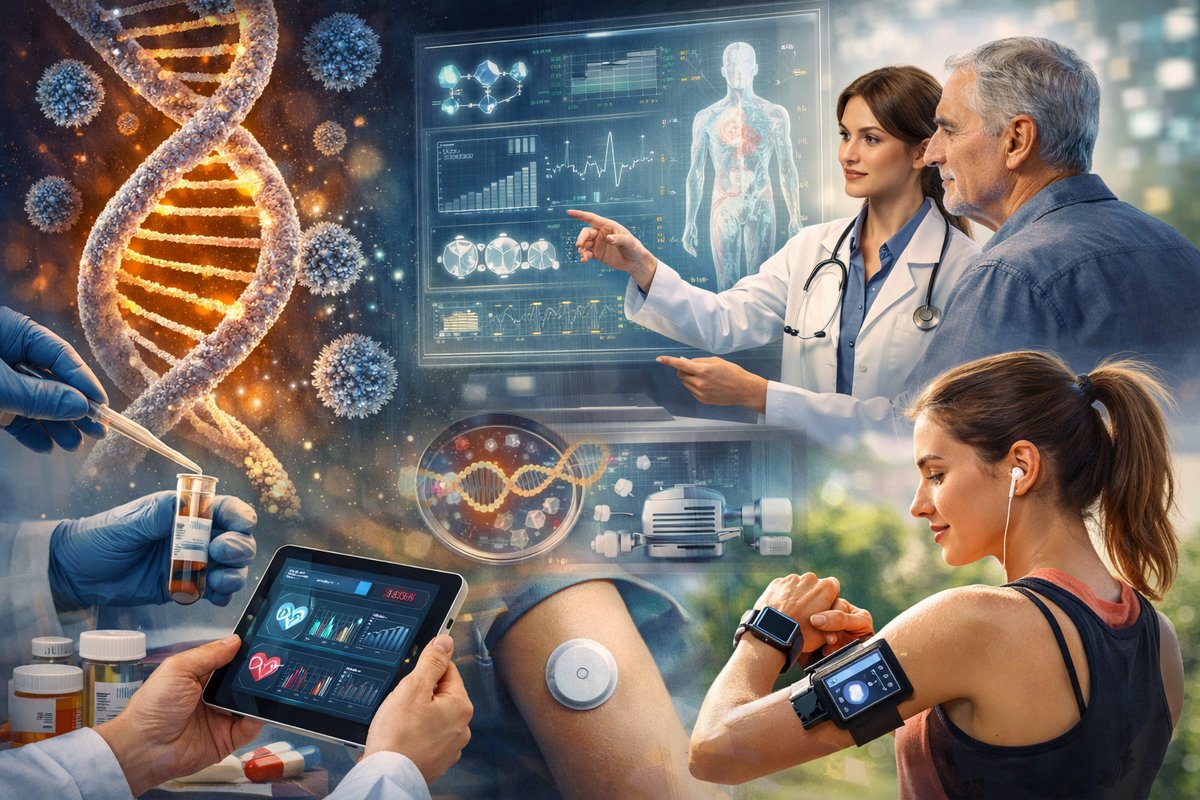

For decades, chronic illnesses such as diabetes, autoimmune disorders, and respiratory conditions have demanded lifelong management rather than true resolution. Recent scientific strides are challenging that paradigm. Advanced gene therapies, precision immunomodulation, digital therapeutics and smart devices are converging to deliver what many patients describe as modern miracles. This article explores how these breakthroughs work, who stands to benefit, and what everyday tools are helping people reclaim a sense of normalcy despite persistent health challenges.
Gene editing and gene replacement strategies have emerged as powerful interventions for inherited disorders. In some forms of inherited anemia and certain rare metabolic diseases, CRISPR-based editing inside a patient’s own stem cells can correct faulty DNA sequences at the source. Early clinical trials for sickle cell disease and beta-thalassemia have shown that treated individuals can achieve stable, near-normal red blood cell counts with a single infusion-effectively eliminating painful crises and transfusion dependence. These one-time therapies come with intensive pre-treatment protocols, but for many, the promise of durable relief outweighs the temporary rigors of preparation.
Alongside DNA-level solutions, researchers are harnessing messenger RNA (mRNA) to deliver therapeutic instructions without permanently altering the genome. While mRNA vaccines became mainstream in the global response to a pandemic, ongoing studies are expanding their role into chronic conditions. By encoding healthy versions of deficient proteins, or by instructing cells to produce immune-modulating factors, mRNA formulations can be administered intermittently to maintain symptom control in diseases such as enzyme-deficiency syndromes or certain forms of heart failure. The adaptability of the platform allows rapid customization to emerging medical needs, with dosing schedules moving from weekly to quarterly depending on the target.
Immunotherapy isn’t just for cancer. Innovative cell-based treatments are being repurposed to tame autoimmune attacks. Specialized CAR-T cells-genetically engineered to recognize and eliminate rogue immune cells-are under investigation for conditions like refractory lupus and vasculitis. Early data suggests that a single round of these customized lymphocytes can induce long-lasting remission, sparing patients from decades of broad-spectrum immunosuppressants with harsh side effects. Though still in clinical development, such targeted approaches illustrate the shift from global immune suppression toward precision correction.
The gut microbiome is another frontier in chronic disease management. Emerging evidence links the balance of trillions of intestinal microbes to conditions ranging from inflammatory bowel disease to rheumatoid arthritis and even type 2 diabetes. Fecal microbiota transplants (FMT) and designer probiotic cocktails aim to restore healthy ecosystems inside the digestive tract. Small-scale trials have demonstrated symptom improvements and reduced inflammatory markers, pointing toward a future where tailored microbial therapies complement or even replace conventional pharmaceuticals.
Digital therapeutics and virtual environments are rewriting how patients engage with treatment. Smartphone apps delivering cognitive-behavioral strategies can ease chronic pain and anxiety without added medication. Virtual reality experiences serve as immersive pain-distraction tools, helping individuals with persistent back pain or neuropathy perform physical therapy exercises more comfortably. These software-driven interventions gain FDA clearance based on clinical trial data, bridging the gap between wellness apps and prescription drugs, and empowering patients to take an active role in their own recovery.
Simultaneously, wearable health devices are transforming day-to-day management. Integrated sensors now track blood glucose levels in real time and automatically adjust insulin delivery via compact pumps for those with diabetes. Wireless ECG patches can detect atrial fibrillation before a stroke occurs. Portable pulse oximeters and smart inhaler sensors notify users and caregivers of early breathing changes in chronic obstructive pulmonary disease (COPD) and asthma, prompting preemptive treatment. By catching flare-ups at the earliest stage, these technologies reduce hospitalizations and foster a greater sense of control.
For dermatological and musculoskeletal conditions, phototherapy systems have become more accessible beyond specialized clinics. Compact LED panels offering targeted UV-B or near-infrared light can be used at home to alleviate psoriasis plaques or accelerate wound healing. Meanwhile, portable nebulizers equipped with refined aerosol nozzles deliver rescue medications deep into the airways for asthma sufferers, ensuring optimal lung penetration and quick relief. Such at-home devices underscore the trend toward decentralizing care, bringing powerful treatment modalities directly into living rooms.
Even as technology advances, holistic support remains essential. Chronic illness often carries an emotional burden that impacts quality of life. Peer support networks, mindfulness-based stress reduction programs and telehealth counseling services play a vital role in sustaining long-term outcomes. By combining medical breakthroughs with community resources and mental health care, patients can cultivate resilience that extends beyond symptom control, nurturing a renewed sense of purpose despite ongoing challenges.
Although we are still in the early days of many of these interventions, the trajectory is clear: chronic diseases will no longer be managed only by symptom-masking pills and rigid regimens. Precision medicine, digital platforms and smart devices are converging to deliver personalized, dynamic care that adapts as patients improve. As more therapies gain approval and move into mainstream use, individuals living with long-term conditions can look forward to sustained relief, reduced treatment burdens and a new chapter of possibilities.