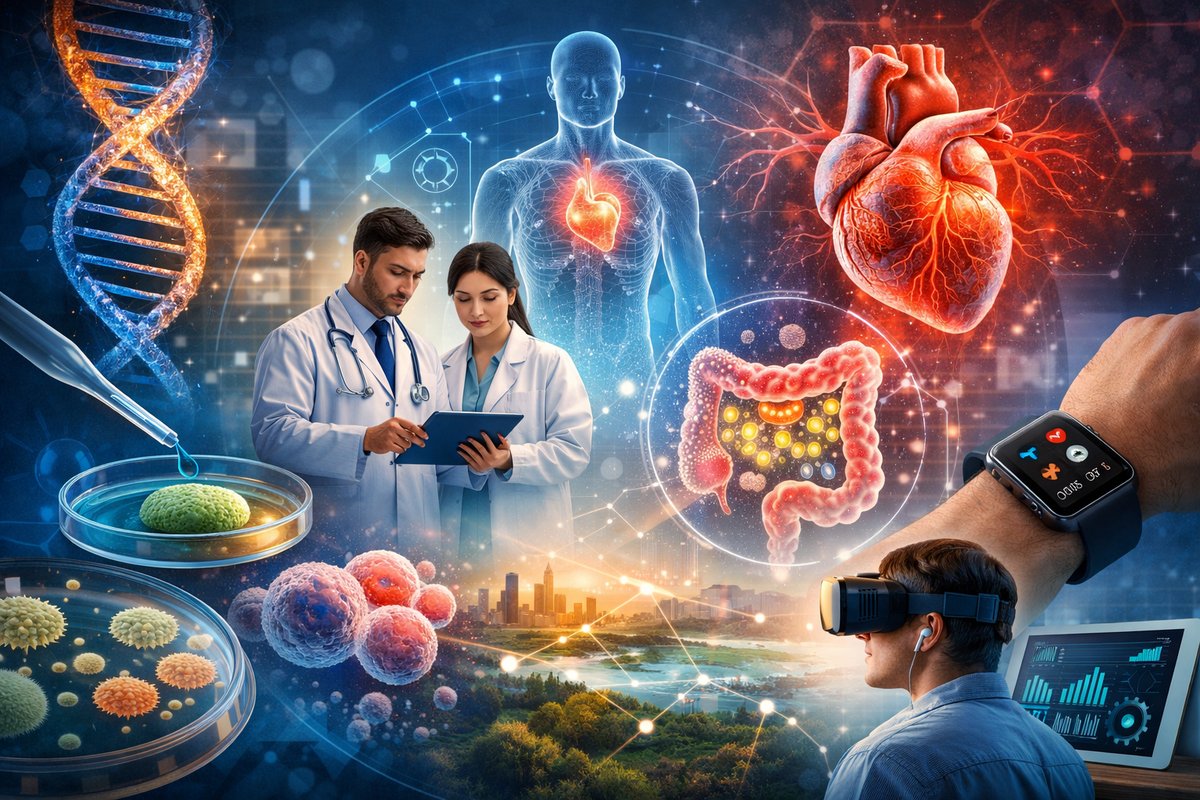

Chronic illnesses account for the majority of global healthcare spending, affecting hundreds of millions of people worldwide. Conditions such as type 1 and type 2 diabetes, rheumatoid arthritis, multiple sclerosis, chronic obstructive pulmonary disease (COPD), and heart failure impose a lifelong burden of regular medications, frequent doctor visits, and lifestyle limitations. Traditional therapies have largely centered on symptom control and slowing progression. However, a wave of modern innovations is expanding the treatment toolkit-from one-size-fits-all drugs to precision-guided cures that address underlying disease mechanisms. These developments are redefining the very notion of what it means to live with a chronic condition.
At the forefront of this revolution are gene and cell therapies that target the genetic roots of disease. Gene editing tools like CRISPR-Cas9 have moved from the lab into early-stage clinical trials. Patients born with rare inherited disorders, such as spinal muscular atrophy or certain forms of hemophilia, are receiving one-time infusions of gene-corrected cells. In oncology, CAR-T cell therapy has harnessed a patient’s own immune cells to eradicate tumors and is showing promise for autoimmune diseases. While still in its infancy for many chronic illnesses, this approach lays the groundwork for truly curative interventions rather than lifelong medication.
Regenerative medicine offers another avenue for repair and restoration. Stem cell-based techniques aim to replace damaged tissue in organs such as the heart, pancreas, and joints. Early studies of mesenchymal stem cells (MSCs) have demonstrated improvements in heart function after myocardial infarction, relief from painful arthritic flare-ups, and even reduced insulin dependence in select patients with type 1 diabetes. Bioengineered tissues-like lab-grown cartilage for osteoarthritis-are moving toward commercial availability. Though complex manufacturing and regulatory hurdles remain, these therapies herald a shift from managing symptoms to rebuilding what disease has destroyed.
Meanwhile, our understanding of the human microbiome has exploded, unveiling new treatment possibilities for gastrointestinal disorders, metabolic diseases, and immune dysregulation. Fecal microbiota transplantation (FMT) is now a standard intervention for recurrent Clostridioides difficile infections, boasting cure rates above 80 percent in some studies. Research into tailored microbial cocktails shows potential for alleviating inflammatory bowel disease and even modulating responses in obesity and type 2 diabetes. By targeting the trillions of microbes that inhabit our gut, clinicians are learning to rebalance immune and metabolic pathways linked to chronic illness.
Biologic drugs and monoclonal antibodies continue to revolutionize care for conditions like rheumatoid arthritis, psoriasis, and multiple sclerosis. These targeted therapies block specific cytokines or immune checkpoints that drive inflammation and tissue damage. For example, interleukin-17 inhibitors have brought relief to patients with severe plaque psoriasis, while B-cell-depleting antibodies have significantly slowed disease progression in multiple sclerosis. Next-generation biologics are being engineered for greater specificity, longer half-lives, and reduced side effects, making them more accessible and better tolerated for long-term use.
Beyond proteins, RNA-based treatments are making inroads into chronic disease management. Following the success of mRNA vaccines, researchers are developing messenger RNA therapies designed to instruct cells to produce deficient proteins in genetic disorders. Small interfering RNA (siRNA) drugs can silence harmful genes, as demonstrated by approved treatments for high-cholesterol conditions and hereditary amyloidosis. As delivery systems improve, RNA therapeutics may soon address a spectrum of chronic conditions that once seemed unreachable.
In parallel, digital therapeutics are empowering patients to self-manage and even reverse aspects of chronic conditions through software prescriptions. Mobile apps offering guided cognitive behavioral therapy can reduce chronic pain and depression associated with long-term illness. Virtual reality programs help train motor function and cognition for people recovering from stroke or living with neurodegenerative disorders. Digital platforms that integrate personalized coaching, activity tracking, and real-time feedback are demonstrating measurable improvements in weight loss, glycemic control, and heart health.
Wearable and remote monitoring devices are closing the loop between patients and providers, enabling sophisticated feedback and early intervention. Continuous glucose monitors (CGMs) have revolutionized diabetes management by providing real-time blood sugar data and actionable alerts. Wearable electrocardiogram (ECG) patches can detect arrhythmias such as atrial fibrillation before symptoms arise, reducing stroke risk. Implantable sensors track pulmonary artery pressure in heart failure patients, allowing earlier medication adjustments to prevent hospitalizations. This blend of hardware and data analytics transforms episodic clinic visits into a seamless continuum of care.
Integrative approaches are gaining momentum as well, combining conventional medicine with lifestyle and complementary therapies. Personalized nutrition plans-guided by genetic testing and microbiome analysis-optimize metabolic health in type 2 diabetes and metabolic syndrome. Mindfulness meditation, yoga, and biofeedback techniques can ease chronic pain, lower inflammation markers, and support mental well-being. Novel interventions such as transcutaneous electrical nerve stimulation (TENS) and low-level laser therapy offer nonpharmacological pain relief for arthritis and neuropathy. By viewing chronic illness through a holistic lens, clinicians can craft multi-modal strategies that address both body and mind.
Despite these breakthroughs, significant challenges remain. High upfront costs of cell and gene therapies may limit access and strain healthcare budgets. Complex manufacturing and distribution logistics pose barriers to scaling up novel biologics and regenerative treatments. Regulatory frameworks are still adapting to rapidly evolving technologies, sometimes slowing the path to market. In low-resource settings, limited infrastructure and workforce shortages hinder the adoption of advanced digital and biologic therapies. Bridging these gaps will require collaboration across industry, government agencies, and patient advocacy groups.
Looking ahead, artificial intelligence and machine learning promise to accelerate drug discovery and personalize treatment plans based on individual data. Telehealth will integrate more seamlessly with wearable devices, enabling truly continuous care regardless of location. Advances in nanomedicine may deliver targeted payloads directly to diseased tissues, reducing side effects and enhancing efficacy. As patients become active partners in their own care-armed with data, digital tools, and greater health literacy-the era of passive symptom management will yield to dynamic, patient-driven therapeutic models.
The journey from chronic symptom control to genuine cures is well underway. Each innovative therapy builds upon decades of scientific progress and patient resilience. While not every intervention will prove universally effective, the aggregate impact is clear: chronic illnesses that once imposed lifelong limitations are increasingly treatable at their source. For the millions living with these conditions, that shift brings more than medical benefit-it offers renewed hope, autonomy, and quality of life.
As we stand at this crossroads of medical possibility, embracing collaboration between researchers, clinicians, and patients will be key. Continued investment in equitable access, scalable technologies, and holistic care models can ensure that modern miracle cures reach everyone who needs them. In doing so, we move closer to a future where chronic illness is no longer a life sentence, but a chapter in a story of recovery, transformation, and lasting health.
-
Amazon Best Sellers: Best Mini Computers
Discover the best Mini Computers in Best Sellers. Find the top 100 most popular items in Amazon Computers & Accessories Best Sellers. -
Best Cold Packs
TheraICE Knee Ice Pack Wrap Compression Sleeve for Injuries | Reusable Gel Cold Packs Brace Plus Cold Wrap Recovery for Meniscus Tear, ACL Post Surgery, MCL ...