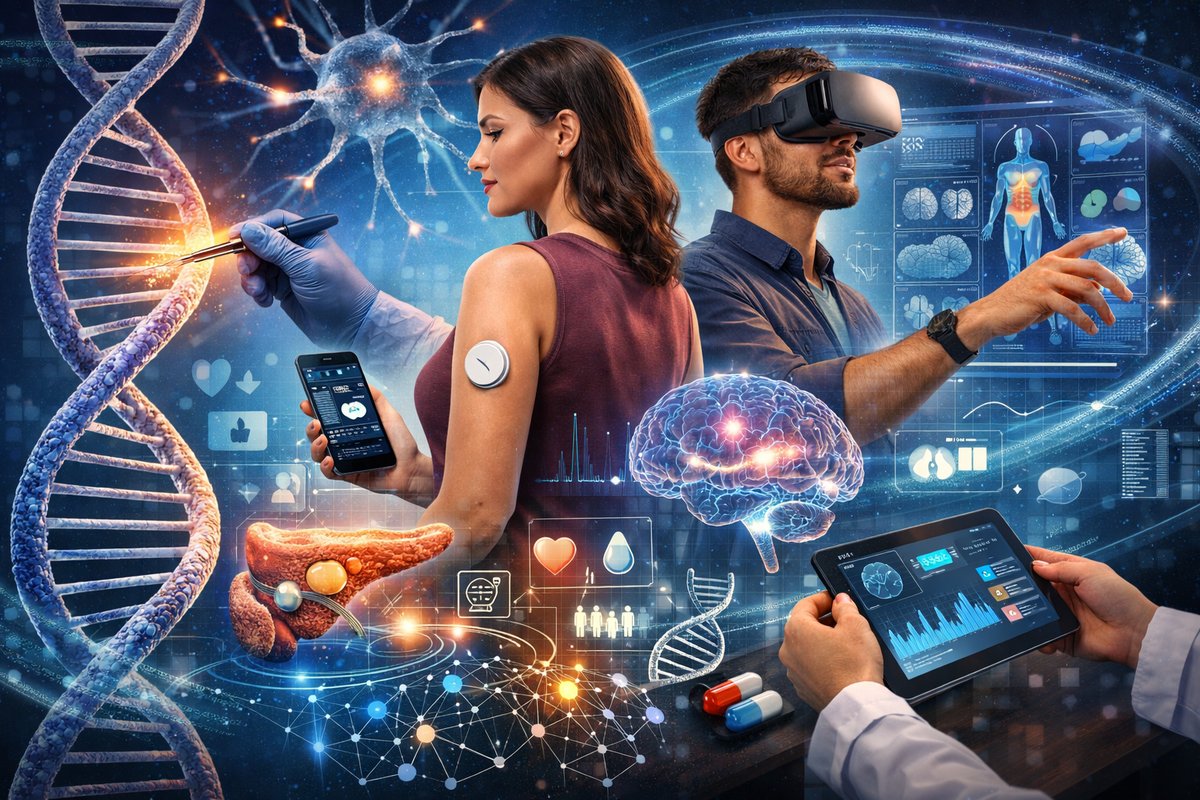

Chronic illnesses have long carried a sense of inevitability: once diagnosed, patients brace for a lifetime of symptom management, restrictions, and periodic flare-ups. Today, that narrative is shifting. Advances in gene editing, stem cell therapy, microbiome modulation, digital health platforms, and targeted immunotherapies are creating pathways toward durable remission or even functional cures for conditions once deemed incurable. This article explores how these breakthroughs work, why they matter, and what they could mean for millions of people seeking freedom from the daily burdens of chronic disease.
At the heart of many of these advances lies CRISPR-based gene editing. By precisely snipping and repairing faulty stretches of DNA, researchers have achieved remarkable results in rare blood disorders such as sickle cell disease and beta-thalassemia. In early clinical trials, patients who once endured painful crises and frequent transfusions now experience normalized hemoglobin levels after a single intervention. The promise extends beyond hematology: academic centers are investigating CRISPR approaches for inherited blindness, muscular dystrophy, and certain types of immunodeficiency. As delivery methods improve and off-target effects dwindle, the vision of a once-in-a-lifetime gene therapy for select chronic illnesses is becoming reality.
Stem cell therapies offer another route to long-lasting relief. By harnessing pluripotent cells that can develop into various specialized tissues, scientists are exploring regenerative treatments for multiple sclerosis, rheumatoid arthritis, and type 1 diabetes. For example, lab-grown insulin-producing islet cells, when transplanted into the liver, may restore stable blood sugar control without daily insulin injections. In parallel, stem cell patches are under development to regenerate damaged cartilage in osteoarthritis, reducing joint pain and improving mobility without the need for total knee replacement. Although some approaches remain in early phases, compassionate-use programs and expanded access initiatives are allowing patients to benefit from these innovations today.
The gut microbiome has emerged as both a key driver and a therapeutic target for chronic conditions. Microbiome modulation techniques range from specific probiotic formulations to more intensive fecal microbiota transplantation. Research indicates that resetting a dysbiotic gut environment can ease symptoms in conditions like Crohn’s disease, ulcerative colitis, and even some forms of eczema. Advanced microbiome test kits now let patients and clinicians profile bacterial communities at home and track changes in response to dietary shifts or targeted supplements. In the future, custom-engineered probiotic strains may carry genetic logic circuits that sense inflammation and release healing compounds on demand.
Digital therapeutics are turning smartphones and wearables into extensions of medical care. Cognitive behavioral therapy delivered via apps has shown efficacy comparable to in-person sessions for anxiety and depression, while virtual reality programs help patients manage chronic pain by retraining neural pathways. In diabetes management, integrated platforms collect continuous glucose monitor readings, activity data, and food logs, then use machine learning to recommend insulin adjustments or dietary tweaks in real time. These algorithm-driven tools often carry regulatory clearance as medical devices and can even be prescribed by clinicians, reimbursed through insurance plans, and updated seamlessly like software apps.
Wearable medical devices represent a critical bridge between physiology and data. Continuous glucose monitors (CGMs) that adhere to the skin for up to 14 days now provide minute-by-minute glucose trends with minimal finger-sticks. Smart inhalers track usage patterns and environmental triggers in patients with asthma or COPD, sending reminders or alerts when air quality deteriorates. For those with hypertension, cuffless blood pressure monitors built into smartwatches are being validated in clinical studies, offering round-the-clock insights that a single clinic measurement cannot capture. These devices empower patients to become active partners in their own care, spotting early warning signs and adjusting behaviors long before emergencies arise.
Telemedicine and remote monitoring platforms exploded in adoption during the recent global health crisis, but their role in long-term disease management is proving just as vital. Specialty clinics deploy wearable sensors that detect changes in gait or tremor amplitude for Parkinson’s disease, enabling neurologists to fine-tune medication dosages on a weekly basis rather than every six months. Rheumatology patients upload joint photos and symptom diaries via secure portals, allowing physicians to identify flares sooner and reduce the need for steroid bursts. Beyond convenience, these virtual workflows reduce travel costs, minimize missed workdays, and maintain continuity of care for patients in rural or underserved areas.
Nutrition science is undergoing its own transformation thanks to personalized data. Genetics-informed diet plans, continuous glucose responses, microbiome profiles, and metabolic biomarkers combine to create individualized nutrition strategies. Instead of generic “low-carb” or “low-fat” advice, patients receive tailored meal plans designed to minimize inflammatory triggers, optimize insulin sensitivity, and support gut health. Real-time feedback from apps and wearables helps patients fine-tune portion sizes and meal timing, making long-term adherence more realistic and sustainable.
Immunotherapy, once the province of oncology, is finding new applications in autoimmune diseases. Monoclonal antibodies targeting specific cytokines have revolutionized treatment for rheumatoid arthritis, psoriasis, and inflammatory bowel disease. By blocking overactive immune signals with surgical precision, these biologics can induce deep remission for years at a time. Meanwhile, chimeric antigen receptor (CAR)-T therapies are being studied for severe lupus and multiple sclerosis, with early data suggesting that reprogrammed immune cells may clear pathogenic autoreactive cells from circulation.
Light-based treatments, often dismissed as niche, are gaining clinical traction for chronic conditions rooted in inflammation. Phototherapy lamps emitting narrowband ultraviolet B are long-standing treatments for psoriasis but are now being integrated into compact home units that patients can use under remote supervision. Red and near-infrared light devices under investigation promise to reduce joint pain in osteoarthritis and accelerate wound healing in diabetic ulcers. Low-level laser therapy (LLLT) is also being trialed for peripheral neuropathy, with some patients reporting reduced numbness and improved microcirculation.
Physical rehabilitation and pain management have embraced technology-driven innovations as well. Percutaneous electrical nerve stimulation units-commonly known as TENS devices-deliver targeted microcurrent pulses to irritated nerves, providing drug-free pain relief for conditions ranging from sciatica to fibromyalgia. Robotic exoskeleton suits, albeit expensive, are enabling patients with spinal cord injuries or stroke to retrain walking patterns more intensively than traditional physiotherapy allows. Meanwhile, smart compression garments embedded with sensors track swelling and blood flow in lymphedema patients, guiding adjustments to compression levels in real time.
Living with a chronic illness often carries a steep emotional toll. Recognizing this, digital platforms now integrate peer support communities, guided meditation modules, and cognitive coaching alongside medical interventions. Mindfulness-based stress reduction apps have demonstrated measurable impacts on inflammatory markers, while online support groups help patients exchange tips on symptom management, navigate healthcare systems, and combat isolation. By addressing both the physical and psychological dimensions of chronic disease, these holistic programs are improving outcomes and quality of life.
No single breakthrough will cure every chronic condition, nor will one modality replace established therapies overnight. The true miracle lies in the convergence of multiple disciplines-genetics, immunology, data science, engineering, and behavioral health-working in concert. As clinical trials multiply and regulatory pathways adapt, patients stand to benefit from an era of medicine that is more personalized, proactive, and precise than ever before. For individuals living with diabetes, arthritis, inflammatory bowel disease, neurological disorders, or other long-term conditions, these advances offer a transformative promise: the chance to move beyond symptom control and toward sustained wellness.
Whether you’re exploring a CGM to stabilize blood sugar, considering a microbiome test to tame gastrointestinal inflammation, or engaging with a digital therapy for pain management, today’s options extend well beyond traditional pills and injections. By combining novel biologics, regenerative cells, smart devices, and data-driven care pathways, modern practitioners are charting a new course-one where chronic illness no longer defines a person’s future but instead becomes a chapter in a broader story of resilience, innovation, and renewal.
-
Amazon Best Sellers: Best Lumbar Pillows
CushZone Ergonomic Seat Cushion & Lumbar Support Pillow - Memory Foam for Sciatica Pain Relief & Posture Correction, Non-Slip Chair Cushions for Office ... -
Amazon Best Sellers: Best Mini Computers
2024 Mac Mini Desktop Computer with M4 chip with 10-core CPU and 10-core GPU: Built for Apple Intelligence, 16GB Unified Memory, 256GB SSD Storage, Gigabit ...