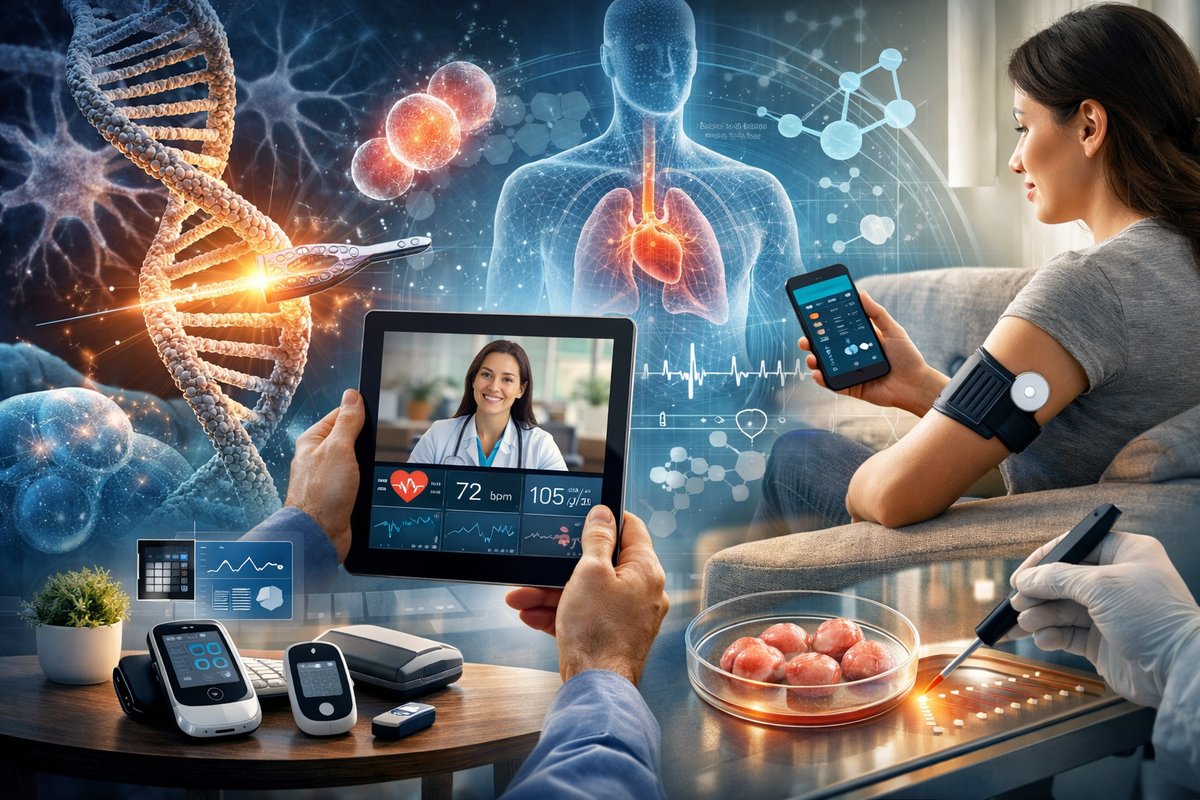

In clinics, research labs and living rooms around the world, the story of chronic illness care is being rewritten. Long gone are the days when treatments simply masked symptoms or relied exclusively on broad-spectrum medications. Today’s breakthroughs are more targeted, personalized and-perhaps most importantly-designed to restore a sense of control for individuals living with conditions such as diabetes, multiple sclerosis, and rheumatoid arthritis.
Even as the pace of discovery accelerates, a deeper emphasis on sustainability and patient autonomy is emerging. Therapies are now evaluated not just on immediate outcomes but on long-term quality of life, minimizing environmental footprints and respecting personal data privacy. This ethos is transforming both the science behind treatments and the tools people use day to day.
H6: A Gene-Based Revolution
Gene therapies have entered the chronic illness arena, offering the promise of addressing root causes rather than suppressing downstream effects. Techniques like viral vector delivery and CRISPR-based editing are being tested in clinical trials for conditions including inherited retinal disorders and certain immune deficiencies. By replacing or repairing faulty genes in targeted cells, these approaches hold out the hope of lasting remission or even outright cure. One example under study involves engineered immune cells designed to attack malfunctioning tissue in autoimmune diseases-an innovation that could one day spare patients from decades of immunosuppressive drugs.
Meanwhile, RNA-based treatments are gaining traction for conditions such as familial hypercholesterolemia. Small interfering RNAs (siRNAs) can selectively silence specific genes involved in cholesterol production, dramatically reducing cardiovascular risk without many of the side effects associated with traditional statins. These therapies exemplify the shift from brute-force pharmacology to molecularly precise interventions.
H6: Digital Health Meets Personalized Care
Telemedicine platforms and wearable sensors are no longer mere conveniences-they’re integral to modern chronic illness management. Continuous monitoring devices can track glucose levels, heart rhythms and respiratory metrics in real time, sending data directly to care teams and alerting patients to potential issues before they escalate.
Beyond vital signs, smartphones equipped with machine-learning apps can analyze symptom diaries, activity patterns and even voice changes to forecast flare-ups of conditions like asthma or multiple sclerosis. Some platforms integrate environmental data-air quality, pollen counts and local virus outbreaks-to help individuals adjust medication dosages or avoid triggering circumstances.
This shift toward remote management not only reduces hospital visits and related costs, but also supports patient empowerment. Individuals gain a detailed record of how lifestyle factors-diet, sleep, stress-intersect with their condition. Over time, these insights foster informed decision-making and a greater sense of agency.
Precision medicine also extends to pharmacogenomics, where genetic tests identify how someone metabolizes specific drugs. Armed with this information, physicians can prescribe optimal dosages and avoid adverse reactions that once derailed therapy plans. A personalized approach to medication holds particular promise for complex regimens, such as those required in rheumatoid arthritis or epilepsy.
Regenerative therapies are another frontier in the fight against chronic ailments. Stem cell transplants-once reserved for blood cancers-are now under investigation for rebuilding damaged tissues in conditions like Parkinson’s disease and severe heart failure. Bioengineered scaffolds seeded with a patient’s own cells can encourage tissue repair, potentially reducing dependency on lifelong medication.
In parallel, researchers are exploring the therapeutic potential of exosomes-tiny vesicles that shuttle proteins and genetic material between cells. Early studies suggest exosome-based injections may calm inflammatory processes at the cellular level, offering a new modality for autoimmune diseases.
H6: Microbiome and Lifestyle Synergy
An expanding body of evidence links gut health to a broad array of chronic conditions, from inflammatory bowel disease to mental health disorders. Precision probiotics-customized microbial blends adjusted to an individual’s unique gut profile-are emerging as adjunct therapies that modulate immune responses and improve metabolic balance.
Nutrition apps that leverage microbiome data can recommend tailored dietary plans, emphasizing prebiotic fibers and fermented foods shown to nourish beneficial bacteria. Meanwhile, lifestyle interventions such as guided breathwork, mindfulness programs and personalized exercise regimens round out a holistic approach. By acknowledging the interplay between mind, body and environment, these integrated strategies move beyond one-size-fits-all solutions.
H6: Barriers and Ethical Considerations
Despite its promise, the modern miracle-cure narrative comes with caveats. Cutting-edge therapies often carry high price tags, raising issues of equitable access and insurance coverage. Gene editing raises ethical questions about long-term safety and germline impacts. Data privacy concerns mount as more personal health information flows through digital platforms.
Addressing these challenges requires transparent dialogue among stakeholders-patients, researchers, regulators and payers. Open-source data repositories and patient-led research networks can foster collaborative safeguards, ensuring innovations adhere to rigorous safety standards without stifling creativity.
H6: Empowering Individuals, Enabling Communities
At its heart, the next wave of chronic illness care is about restoring hope and participation. Peer support apps, virtual reality counseling programs and community-driven wellness hubs connect individuals facing similar challenges, reducing isolation and sharing practical coping strategies.
Self-management tools are increasingly gamified or visualized through intuitive dashboards, making it easier to celebrate small victories-whether a week of stable glucose readings or a month without a severe migraine. This positive reinforcement encourages adherence and sustains motivation over the long haul.
The modern miracle cure movement also invites us to rethink societal infrastructure. Urban planners are designing walkable neighborhoods that promote physical activity, while employers offer flexible scheduling and remote work options to accommodate healthcare appointments. In this ecosystem, managing a chronic condition becomes a shared responsibility rather than solely an individual burden.
H6: Looking Forward
We stand at an inflection point in chronic illness care. Combining gene-level precision, regenerative capabilities and digital intelligence has the potential to shift the narrative from lifelong management to true remission. Yet as the science races ahead, a values-driven framework-prioritizing privacy, sustainability and emotional resilience-must guide each technological stride.
The promise of modern cures lies not merely in curing disease but in enabling people to live fuller, more autonomous lives. By weaving together the best of molecular medicine, digital health and community support, a new paradigm is emerging-one that might finally break the cycle of symptom suppression and usher in an era of genuine healing.