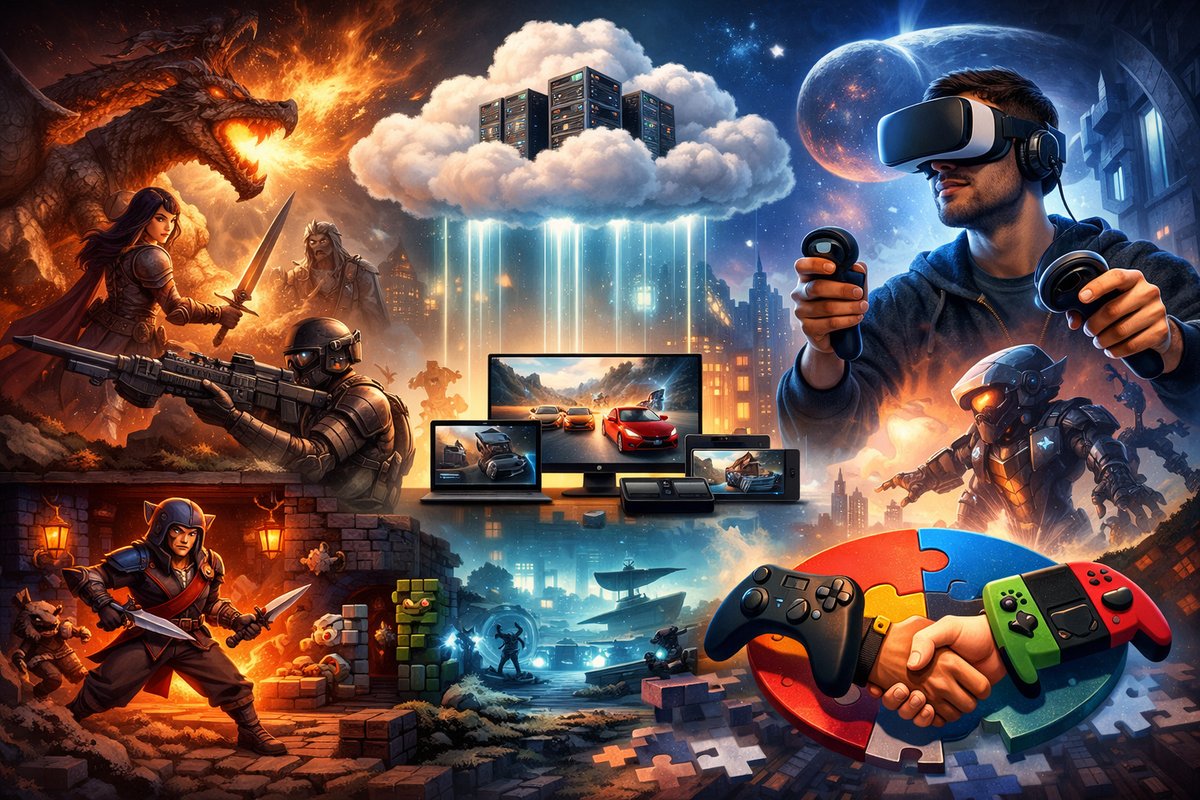

Gaming’s ever-evolving frontier has delivered another round of groundbreaking updates and immersive experiences this season. Major RPGs have rolled out hefty expansions and quality-of-life patches, cloud gaming platforms are adding new regions and titles to their libraries, and virtual reality headsets are inching closer to mass adoption with more comfortable designs and untethered freedom. All the while, cross-platform play is knitting diverse player pools into unified communities, blurring the lines between PC, console, and mobile arenas. Whether you’re chasing endgame loot in a sprawling open world, hopping into an expedited tournament bracket, or settling in for a cinematic narrative in your living room, there’s never been more opportunity to level up.
High-profile role-playing games have dominated the headlines lately. A recent major patch for a chart-topping fantasy title rebalanced key combat systems, overhauled enemy AI to offer more varied challenge levels, and introduced a new late-game raid that requires tight coordination among four squads of players. Early reports from veteran streamers praise the fresh dungeon designs and dynamic weather events, which can turn a casual quest into a frantic escape as storms surge through ancient ruins. Meanwhile, another blockbuster release helped revive hacker-vs-mercenary skirmishes in a neon-lit cyberpunk district, drawing crowds in both solo and PvP modes. The developer behind that title also confirmed plans for a major DLC drop by year’s end, hinting at a sprawling underground network and expanded skill trees that promise to enrich character builds.
Cloud gaming services have also been in the spotlight. Two leading platforms recently launched new data centers to reduce latency for players in underserved regions, bringing fast-paced shooters and sprawling adventures within reach of anyone with a stable broadband connection. Subscribers can now stream a wide range of titles-from cinematic horror mysteries to high-octane racing sims-on an array of devices, including budget smartphones and integrated TVs. Reports indicate that some users are ditching costly hardware upgrades in favor of smooth, on-demand streaming, and developers are responding by optimizing titles for variable bandwidth and controller-free play. Even competitive tournaments are testing cloud-hosted brackets, allowing participants to jump into matches directly from portable devices and battle for prizes without a console in sight.
At the same time, virtual reality continues to carve out its niche. A new generation of standalone headsets has shed the need for external sensors and cumbersome cables, opening doors for impromptu VR sessions on any tabletop. Early adopters highlight improved ergonomics, brighter displays, and richer audio compared to prior models. Popular VR titles-ranging from rhythm shooters to physics-driven puzzle adventures-are shipping fresh content packs, while experimental studios are prototyping haptic accessories that simulate textures and resistance. Arcade-style VR centers are springing up in cities worldwide, inviting groups of friends to dive into co-op challenges like giant monster battles or cooperative escape-room scenarios. And educators have begun piloting VR labs for interactive history tours and virtual art studios, suggesting that the technology’s reach may soon extend far beyond gaming alone.
Underpinning all these innovations is an increasingly connected community. Cross-play support has expanded to cover a quartet of platforms, letting console veterans square off against PC tacticians in team-based shooters and cooperative platformers. Shared leaderboards, unified friend lists, and in-game voice chat bridges are fostering camaraderie across formerly siloed ecosystems. Major esports organizers have even launched cross-platform tournaments that reward winners with real-world prizes, merging casual viewers with competitive pros in live-streamed spectacles. Content creators are collaborating across channels to showcase multi-device strategies, offering insights on optimizing controller layouts, keyboard macros, and mobile touch-controls.
While blockbuster franchises continue to dominate, an undercurrent of indie creativity is flourishing. Smaller teams have released innovative roguelike shooters that blend procedural levels with sleek neon aesthetics. Puzzle titles starring quirky robotic protagonists have garnered critical praise for their emotional narratives and minimalist soundtracks. Several crowdfunded projects have exceeded funding goals by promising unique art styles rooted in hand-drawn animation, signaling that players crave fresh perspectives alongside big-budget epics. These indie successes often spotlight underrepresented voices in game development, catalyzing conversations about diversity, inclusion, and the importance of sustainability in production practices.
Looking beyond gaming, the convergence of interactive media and entertainment is accelerating. A wave of TV adaptations based on video game lore has attracted both die-hard fans and curious newcomers. Streaming platforms are greenlighting high-budget fantasy dramas set in sprawling kingdoms, while animated series explore the backstories of beloved characters from cult classics. Even late-night talk shows have embraced the games beat, dedicating segments to speedruns, mod showcases, and developer interviews. Movie theaters have begun hosting one-night screenings of cinematic game trailers, complete with surround sound demos and exclusive behind-the-scenes footage.
With so many ways to play, how should enthusiasts prepare their setups? A reliable gaming headset with surround sound can transform dungeon crawls and boss fights into cinematic experiences. Customizable keyboards and responsive controllers help sharpen reflexes in high-speed matches. Dynamic lighting solutions can sync with on-screen action, pulling players deeper into colorful battlefields or eerie exploration zones. For casual viewing and game nights alike, a streaming device paired with enhanced audio offers crisp visuals whether you’re unwinding with an interactive thriller or rallying friends for co-op mayhem.
Even with all the high-tech bells and whistles, the heart of gaming remains its community. Online forums, social channels, and in-game guild systems serve as meeting grounds for strategy sharing and creative expression. Collaborative modding scenes often extend a title’s lifespan by introducing new levels, aesthetics, and gameplay mechanics, while charity streams and in-game fundraisers harness playtime for positive social impact. Developers are listening, too, integrating player feedback through public test servers and community councils, ensuring that games evolve alongside their audiences.
As we peer into the future, emerging technologies like augmented reality and AI-driven procedural storytelling hint at even more personalized experiences. Imagine a narrative that reshapes itself around your choices in real time or an AR overlay that turns your living room into an otherworldly battleground. Whether you’re logging in for a quick mobile raid or hosting a full-blown LAN tournament, gaming and entertainment have never been more intertwined with daily life. The next level is on the horizon-and it’s set to be as expansive and engaging as the worlds we already love.
-
Razer Kraken V3 X USB Gaming Headset for PC, PS5, PS4 ...
Ultra-Light Build: Weighing just 285g, the Razer Kraken V3 X is designed for marathon gaming sessions without causing fatigue. -
Wireless Gaming Headset
Check out our wireless gaming headset selection for the very best in unique or custom, handmade pieces from our electronics & accessories shops. -
Wireless Headset
Shop Wayfair for the best Wireless Headset. Rated 4.6 out of 5 stars.13 total votes $89.75 was$107.99 FREE Fast Delivery … $141.99 FREE 3-Day Delivery. Soft ... -
Logitech MX Mechanical Wireless Illuminated Keyboard ...
Explore Logitech MX Mechanical Wireless Keyboard in Graphite with Clicky Switches & Backlit Keys. Compatible with all OS!