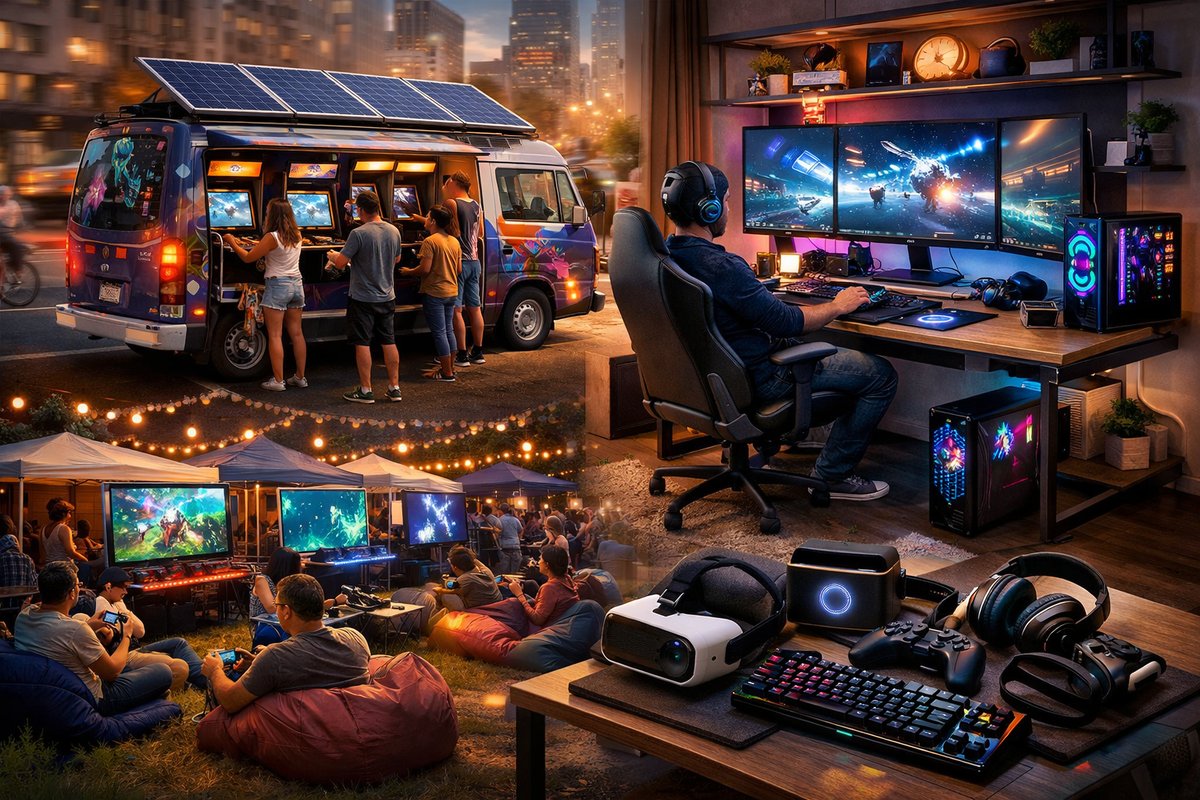

In cities around the world, gaming is shaking off its solitary image and becoming an active, community-driven experience. Over the past year, micro gaming festivals have sprouted in urban warehouses, public plazas, and even on college campuses. Simultaneously, entrepreneurs are converting vans and shipping containers into solar-powered mobile arcades that tour neighborhoods, turning sidewalks into social play spaces. At home, enthusiasts are investing in modular desks, ambient lighting, and haptic feedback kits to transform bedrooms into immersive gaming sanctuaries. This is a new chapter in play, where community, sustainability, and next-gen gear intersect.
In one European capital, a recent micro festival hosted just 500 attendees yet featured more than 30 indie developers, VR demos, and retro console tournaments. According to the International Game Developers Association, grassroots gaming events saw a 25% increase in attendance last year as players sought authentic, face-to-face connections after years of online-only gatherings. These intimate gatherings prioritize spontaneity over spectacle: no massive stages, just flexible spaces where visitors can hop between game showcases, tabletop meetups, and side tournaments. Panel sessions on design and storytelling run alongside live DJ sets, creating an eclectic mix that feels both DIY and polished.
The rise of mobile arcades is another sign of gaming’s expanding footprint. Entrepreneurial teams are retrofitting buses, trailers, and shipping containers with consoles, PCs, VR rigs, and streaming stations. Some outfits have gone a step further, integrating solar panels on the roof and battery packs to create off-grid play pods. In Barcelona, a converted tramcar equipped with 360-degree VR simulators and racing seats rolled through coastal neighborhoods last summer, drawing crowds who lined up to experience immersive roller coaster rides without leaving the boardwalk. Organizers report that by harnessing renewable power, they cut operating costs by 30% while delivering a striking visual statement about sustainability in entertainment.
On the home front, the shift toward serious play is evident in consumer spending. A survey by the Entertainment Software Association found that 35% of respondents ranked new gaming furniture and ambient lighting among their top three tech purchases last quarter. Specialized desks that adjust with the touch of a button, shelving units designed to showcase collectible figures, and sound-reactive LED strips that pulse to in-game audio are flying off the shelves. Even budget-minded players are repurposing shelves and lamps to create layered setups that deliver a multi-sensory experience.
Haptic feedback gear is making its way from research labs into living rooms. Lightweight vests and wearable pads can now sync with game audio and controller signals, delivering localized thuds, pulses, and vibrations as players dodge firearms or feel the rumble of virtual engines. Early adopters praise the heightened immersion, noting that subtle feedback enhances both competitive play and narrative-driven adventures. With open-source drivers and affordable wiring kits available online, tech-savvy gamers are assembling custom rigs that rival some commercial offerings.
Beyond hardware, the social dimension of play has taken on fresh importance. Neighborhood streaming hubs-often set up in cafés or community centers-allow small groups to tune in to popular esports broadcasts or co-play cooperative titles on big screens. Local meetup apps help players coordinate drop-in board game nights or LAN parties. Some cities have even partnered with public libraries to install console kiosks, bridging generational gaps as parents try new titles while kids explore classic collections. This revival of communal gaming spaces echoes the 1980s arcade boom but with a modern twist: sustainability, digital integration, and nimble pop-up models.
Game developers are responding by crafting experiences tailored to these emerging venues. Some studios are releasing mini-fest versions of their blockbuster titles-curated demo packs that fit within an hour-long session, perfect for festival crowds. Others are optimizing VR experiences for mobile arcades, ensuring rigs can be powered by battery banks and operate in crowded, ambient noise environments. Indie creators are rolling out board-and-video hybrid games that use smartphone apps alongside physical components, bridging the gap between analog and digital play.
As communities and venues diversify, the technology that underpins play is evolving rapidly. Cloud gaming services, once niche, now power seamless multiplayer sessions on any screen. Streaming devices small enough to slip into a backpack can turn hotel rooms into gaming dens, a boon for traveling enthusiasts and competitive gamers attending out-of-town meets. Portable power stations ensure that outdoor pop-ups and backyard LAN parties can run all night without tripping breakers.
Designers of gaming furniture are embracing modularity. Desks with detachable side panels can be reconfigured for single-player setups or team scrimmages. Monitor arms that clamp onto rails make it easy to swap between a triple-screen racing rig and a vertical portrait mode for strategy titles. Cable management trays keep wiring hidden but accessible, letting users unplug peripherals in seconds when they need to rearrange or pack up.
Lighting has graduated from static strips to ‘smart’ systems that analyze on-screen pixels and adjust hues in real time. These ambient rigs heighten drama during stealth missions or brighten up exploration sequences in open-world titles. Open API support means creators can link light shows to musical performances at festivals or sync them across multiple pods in a mobile arcade to create coordinated visual spectacles.
It’s not all about gear, though. Organizers stress the importance of curation and community roots. Successful micro festivals often partner with local schools, art collectives, and small businesses to co-curate showcases that reflect the neighborhood’s culture. Mobile arcade teams hire local DJs and food-truck vendors to spark serendipitous encounters between gamers and passersby. Home setup influencers focus on sustainability hacks-like building desks from reclaimed wood or repurposing LED strips from old mood lamps-to keep costs down and reduce waste.
Looking ahead, the next frontier may lie in mixed reality. Early pilots are testing communal AR experiences in public squares, where smartphones and wearable displays project virtual creatures and environmental effects onto real streets. Imagine traversing your downtown core, spotting virtual portals among park benches, and dueling opponents in augmented dueling grounds that appear within city blocks. These projects blend urban planning, game design, and social media in ways that could reshape public space.
For gamers, the takeaway is clear: play has never been more versatile. Whether you’re packing a portable streaming stick for a weekend getaway, building a haptic-equipped corner station in your apartment, or gathering friends for a pop-up tournament under solar lanterns, the tools and models exist to foster connection, creativity, and sustainability. As gear becomes more modular and venues more mobile, the boundaries between home, street, and festival blur. The game is on, and the level-up awaits.