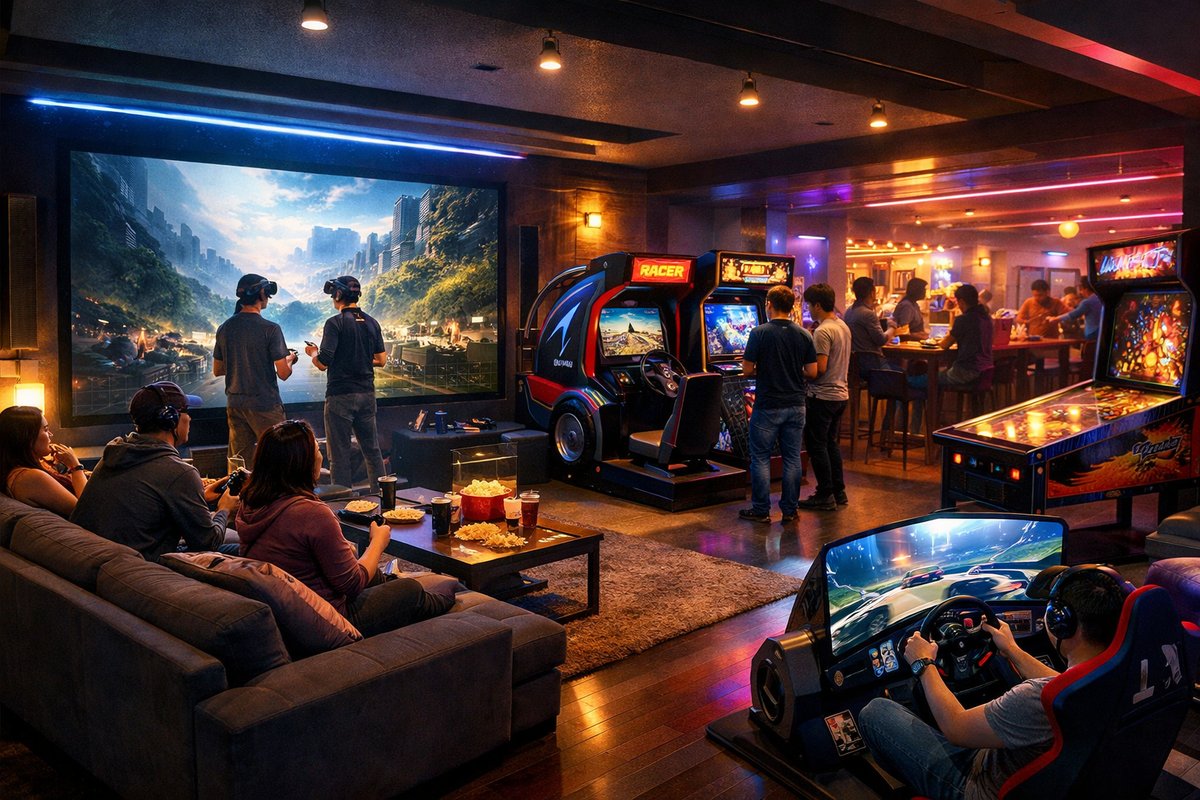

In cities and suburbs across the globe, a quiet revolution is unfolding in how people experience games and entertainment. Once confined to living rooms or dedicated arcades, play spaces are now modular ecosystems that blend virtual reality pods, interactive projection walls, retro cabinets, and comfort-first furniture. This shift responds to growing demand for immersive experiences that cater to both hardcore gamers and social explorers seeking shared moments beyond the screen.
At the heart of this transformation are independent game lounges and co-working cafes that have repurposed spare floors in urban buildings. Patrons can slip on a haptic feedback vest and dive into a multiplayer mech battle, then step aside for a round of digital tabletop chess on an AR table. Local operators report that foot traffic has soared by more than 40 percent since installing motion-tracking cameras and configurable seating pods, according to an industry briefing by a prominent entertainment data firm. These hybrid venues offer day passes that grant access to a rotating roster of VR titles, console suites, and board games paired with mobile apps.
Not to be outdone, homeowners are embracing DIY transformations. Sliding storage units conceal towers of controllers and cables during the day, while hidden projectors and retractable screens pop out for evening movie marathons or LAN parties. LED ambient lighting panels mounted on walls pulse in sync with game audio. Smart scent diffusers release forest mist or salty sea air when exploring survival adventures or seafaring simulations. Even standard living rooms have adopted modular rugs that isolate sound and protect floors during motion-intensive VR sessions.
Peripherals play a starring role in making these setups feel professional and personalized. High-density haptic floor mats can simulate the rumble of engine thrust, and motion-sensing gaming chairs tilt, swivel, and vibrate in response to in-game physics. Mechanical keyboards with custom keycaps and adjustable backlighting become both performance tools and decorative accents. Noise-canceling headsets with low-latency wireless links lock out distractions during critical raids. Players who crave total immersion invest in surround-sound speaker clusters or portable acoustic panels to keep soundstage quality top-notch without disturbing neighbors.
Beyond solo play, communal experiences are booming. AR board games mix physical pieces with animated holographic overlays, while digital leaderboards projected onto blank walls turn casual matches into tournaments. Some venues host weekly trivia nights with giant touchscreen tables. Others stage asymmetric experiences where a team in VR competes against players on consoles or smartphones, bridging hardware divides. These events are fostering new friendships and informal mentorships, as seasoned veterans coach novices through cooperative quests over shared snacks.
Movie buffs have joined the fray by converting spare rooms into micro-theaters that moonlight as game dens. Curved screens and 4K laser projectors replace old flatscreens, and compact surround-sound systems deliver cinematic impact. Sound-absorbing drapes and upholstered seating ensure comfort and acoustic clarity. When not screening cult classics or streaming the latest sci-fi blockbuster, these rooms host couch-strategy nights with local multiplayer titles or competitive sports simulations complete with motion controllers.
Accessibility and inclusivity are also central considerations. Adaptive controllers, foot pedals, and voice-activated interfaces are being woven into setups so players of varying abilities can join in. Adjustable-height desks and mountable controller trays accommodate seated or standing play. Lighting presets address sensitivity needs, and text-to-speech chat tools help bridge communication gaps. Venue operators and home builders alike are collaborating with disability advocates to test new hardware and ensure spaces empower everyone to participate.
Sustainability has joined the checklist. Installers favor recycled-material acoustic foam and upcycled furniture to reduce waste. Energy-saving LEDs and smart power strips cut electricity consumption during standby modes. Modular furniture systems use interchangeable panels so owners can refresh decor without discarding entire units. Even packaging from gaming peripherals is being redesigned for easy recycling, signaling a broader push within the industry toward circular design.
While custom rigs and multisensory tech undoubtedly drive excitement, the social element remains the glue holding these spaces together. Local esports clubs are cropping up in coffee shops that stock consoles and PCs. Weekly streaming parties project community channels onto big screens, drawing neighbors who otherwise might never connect. On weekends, pop-up LAN cafés set up in parks, offering mobile Wi-Fi hotspots and picnic-style tables for open-air gaming under the trees.
Experts say this convergence of physical and digital play is only just beginning. A game design researcher at a leading institute notes that the next wave will involve AI-curated experiences that adapt on the fly to group preferences and emotional responses. Imagine a lounge where ambient lighting, music, difficulty levels, and even snacks shift automatically based on biometric feedback. Or a home setup that taps into regional virtual events, guiding you to spontaneous multiplayer sessions with players halfway across the world.
According to a market analysis from a reputable research group, consumer spending on hardware and venue access climbed by nearly 15 percent last year. That uptick is mirrored in the rise of local enterprises launching hybrid-play concepts. As these spaces evolve, they’re fostering stronger bonds between technology and community, turning gaming into an engine for connection rather than isolation.
Whether you’re a DIY enthusiast decking out a spare den or an operator launching a new neighborhood lounge, the tools and strategies for creating the ultimate play space are more accessible than ever. From immersive peripherals and modular furniture to eco-friendly materials and inclusive interfaces, the future of games and entertainment is collaborative, sustainable, and ever more inventive. As these hybrid environments spread, one thing is clear: the quest for next-level play has only just begun.
-
SteelSeries Stratus Wireless Gaming Controller for iPhone iPad Black
Model: Stratus. iPad 4th Gen. iPhone 5, 5C, 5S. Battery life: 10+ hours. Color: Black. -
Under Desk Mount for Steelseries Arctis Nova Pro Wireless ... - Etsy
Under Desk Mount for SteelSeries Arctis Nova Pro Wireless Gaming Headset Steel Series. SimRaceMods. Star Seller. Star Sellers have an outstanding track ... -
Wireless Headset - Wayfair
Shop Wayfair for the best Wireless Headset. Enjoy Free Shipping on most stuff, even big stuff. -
Rosewill NEON K75 V2 BR Wired Mechanical Gaming Keyboard ...
AJAZZ AK820 Mechanical Gaming Keyboard with Knob 75% Keyboard Hot Swappable Type-C Wired Gasket 5-Layer Noise Absorbing Foam White LED Backlit NKRO Linear ...