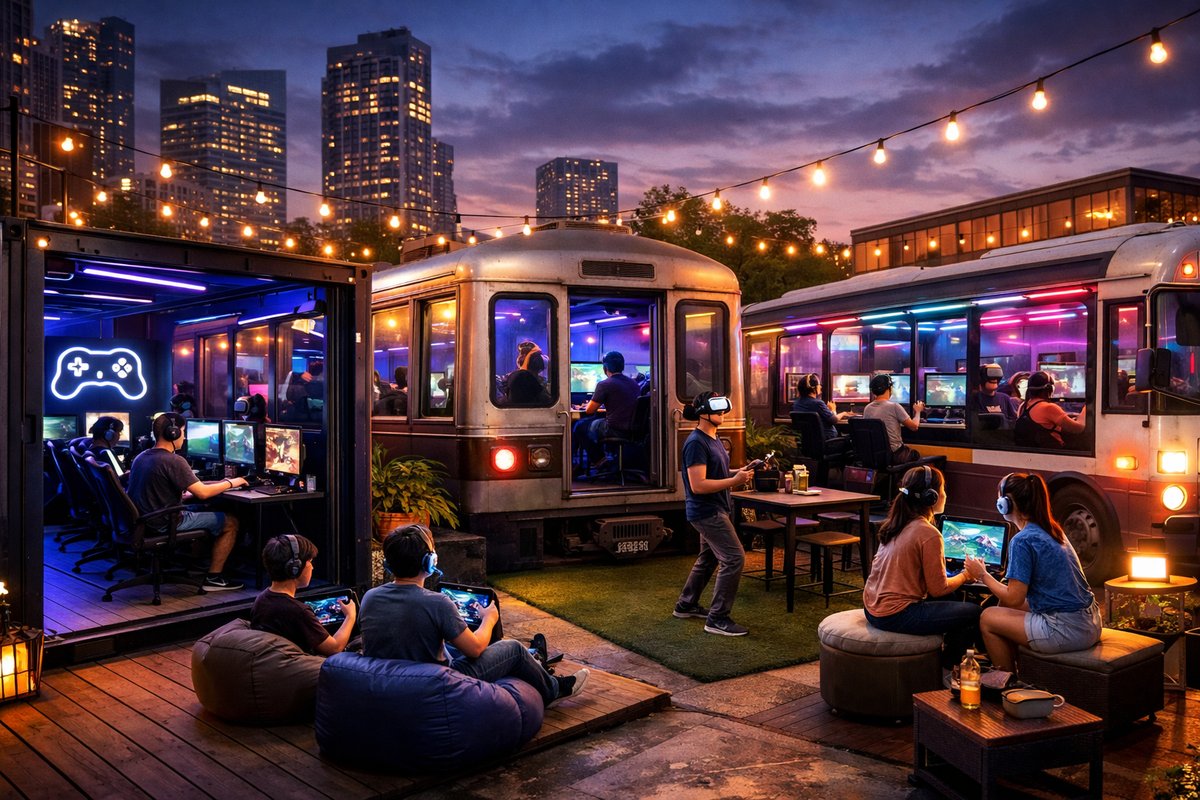

A new form of social arcade is taking shape on urban sidewalks, at train stations and even in repurposed freight containers. Across metropolises from Berlin to São Paulo, entrepreneurs and event organizers are deploying mobile gaming lounges that spring up for a weekend-or even a single afternoon-inviting passersby to plug in, power up and play.
Traveling beyond the console wars and sprawling e-sports arenas, these pop-up hubs offer an accessible, communal take on interactive entertainment. Imagine stepping into a modified coach bus retrofitted with haptic walls, voice-activated lighting and clusters of wireless controllers. Or wandering into a bright shipping container outfitted with VR headsets, sustainable bamboo headset stands and ergonomic stools carved from recycled plastic. The appeal lies in their spontaneity: no membership, no appointment, no sprawling credit card bills. Just show up, pick your station and dive into multiplayer brawls, cooperative quests or rhythm-based competitions.
Early experiments in mobile gaming date back to grassroots LAN trucks-vans packed with PCs that rolled into college campuses. Today’s version blends that DIY spirit with sleek design, green materials and social media-driven drop-in schedules. Organizers leverage city permits and partnerships with local cafés or breweries, creating short-lived pop-up experiences that spread via Instagram teasers and geofenced push notifications. By emphasizing convenience and novelty, these hubs attract novice players and hardcore fans alike.
Driving the trend is a desire to reclaim public space. As working-from-home routines blur lines between labor and leisure, gamers are craving face-to-face socialization. Instead of logging on from dim bedrooms, they gather in brightly lit communal rooms. One recent survey found that 68 percent of urban players would choose a public pop-up event over a private online session if it meant meeting new friends and testing gear they don’t own. The promise of free trials or low-cost hourly rates also lowers the barrier to entry, inviting families and casual groups to sample the latest in AR-enhanced scavenger hunts or retro-arcade classics.
Sustainability is woven into many of these projects. Reclaimed shipping containers cut construction waste, while portable solar panels and battery banks provide off-grid power. Some organizers outfit hubs with dynamic LED walls that respond to in-game soundtracks, all run on energy-efficient drivers. Chairs, stands and display surfaces are fashioned from FSC-certified wood or recycledables, signaling a shift away from single-use plastics and toxic foam inserts. Even gaming accessories are chosen for durability and repairability-swappable keycaps, modular headsets and rugged carrying cases ensure longer life cycles.
Tech partners often sponsor the hardware: VR headsets ride alongside high-refresh-rate monitors, compact streaming rigs and wireless routers optimized for low-latency gameplay. A handful of hubs are experimenting with mobile 5G units to power cloud gaming platforms, enabling AAA titles without desktop-class GPUs. During a recent pop-up in a converted subway car, visitors lined up to test a cloud-based racing simulator running at 120 fps, demonstrating that low-lag mobile networks can rival fiber-optic connections in dense downtown corridors.
Beyond pure gaming, many pop-up hubs integrate creative workshops and community building. In one event series, local artists painted graffiti murals that doubled as AR canvases, unlockable via smartphone apps and tied to mini-quests. Other hubs host 3D-printing stations where attendees customize controller grips or design badges. A few have even held charity live streams directly from the container, raising funds for digital access initiatives or coding scholarships.
The economic model remains fluid. Some teams charge a flat access fee, while others partner with beverage vendors to subsidize rent. Sponsorships from hardware manufacturers or energy providers help offset costs. In neighborhoods lacking dedicated gaming cafés, these itinerant lounges can catalyze permanent venues or pop-up festivals that last weeks instead of days.
Critics caution that permitting hurdles and logistical challenges can stifle growth. Urban zoning codes don’t always account for gaming-focused retail, and noise restrictions near transit lines require careful audio management. Yet, as cities seek innovative cultural activations, officials are starting to carve out “play permits” or pilot programs for experiential events. In one pilot program, local authorities waived parking fees for mobile gaming units in exchange for hosting youth workshops on digital literacy.
The rise of portable gaming hubs underscores a broader shift in how we view play. No longer confined to private rooms or weekend LAN parties, interactive entertainment can unfold anywhere there’s power and people. It’s a return to the arcade ethos-bridging strangers through friendly competition-updated for the era of streaming, cloud services and environmental awareness.
Looking ahead, organizers are eyeing even more ambitious setups: retrofitted double-deckers, floating gaming barges on urban rivers, and solar-charged pods parked in public parks. As immersive technologies advance, we may soon see pop-up hubs offering full-bodied haptic suits or smell-feedback modules. For now, though, the simple thrill of stumbling upon a brightly lit container at dusk, controller in hand and new challengers in sight, is enough to remind us that play, even in a high-tech age, remains rooted in human connection and shared discovery.
From impromptu block parties centered on multiplayer trivia to intergenerational families battling it out on classic platformers, the pop-up urban gaming hub is more than a novelty. It’s a statement that play belongs in the public square. And in cities seeking to foster community, creativity and curiosity, these mobile lounges are poised to become a fixture-one surprise drop-in at a time.